
Catalogue Search | MBRL


Are you sure you want to remove the book from the shelf?

{{itemTitle}}
2
result(s) for
"Autothanatography"
Sort by:

Last Narratives: Life Writing Palliative Praxis
Research on palliative care emphasizes the crucial role of narratives in the encounter with suffering and dying patients because we need to learn from the dying in order to improve care for them. Autobiographical narratives by terminally ill writers contribute to a more encompassing understanding of what it means to be dying as they often thematize dying and death, besides theorizing all kinds of implications of terminal illness. Among such autothanatographers are well-known writers such as Gillian Rose, Jenny Diski, and Tom Lubbock. The process of writing about the last stage of their lives is palliative narrative praxis because the narrative act alleviates suffering. Exploring dying and death in philosophical, literary, and often highly poetic terms needs to be read and interpreted within a more complex web of meaning-making.
Journal Article
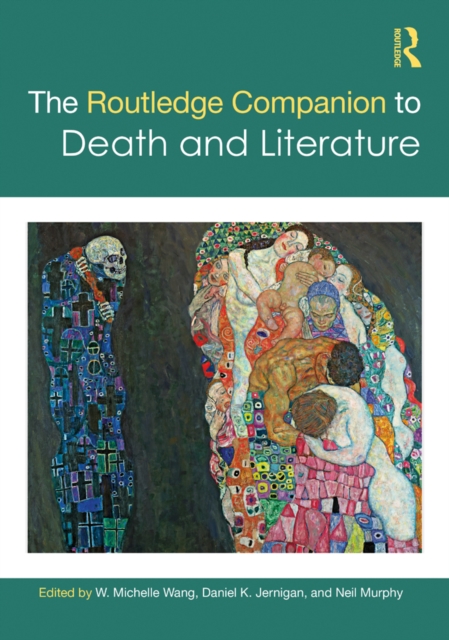
The Routledge Companion to Death and Literature
The Routledge Companion to Death and Literature seeks to understand the ways in which literature has engaged deeply with the ever-evolving relationship humanity has with its ultimate demise. It is the most comprehensive collection in this growing field of study and includes essays by Brian McHale, Catherine Belling, Ronald Schleifer, Helen Swift, and Ira Nadel, as well as the work of a generation of younger scholars from around the globe, who bring valuable transnational insights.
Encompassing a diverse range of mediums and genres - including biography and autobiography, documentary, drama, elegy, film, the novel and graphic novel, opera, picturebooks, poetry, television, and more - the contributors offer a dynamic mix of approaches that range from expansive perspectives on particular periods and genres to extended analyses of select case studies. Essays are included from every major Western period, including Classical, Middle Ages, Renaissance, and so on, right up to the contemporary.
This collection provides a telling demonstration of the myriad ways that humanity has learned to live with the inevitability of death, where \"live with\" itself might mean any number of things: from consoling, to memorializing, to rationalizing, to fending off, to evading, and, perhaps most compellingly of all, to escaping. Engagingly written and drawing on examples from around the world, this volume is indispensable to both students and scholars working in the fields of medical humanities, thanatography (death studies), life writing, Victorian studies, modernist studies, narrative, contemporary fiction, popular culture, and more.
eBook