
Catalogue Search | MBRL


Are you sure you want to remove the book from the shelf?

{{itemTitle}}
5
result(s) for
"BOMBA DE CALOR"
Sort by:

Prototype for a shallow geothermal installation for the air conditioning of spaces at a Colombian University
From a literature review, various concepts and methodologies useful for the development of the preliminary stages of planning and design of a ground source heat pump were documented. A prototype of a cooling system for a room in the Universidad EIA was proposed. The heat pump selected to supply the demand has a power of 1-9 kW, and the proposed heat exchanger system corresponds to a closed-loop horizontal slinky-type with an approximate pipe length of 1,301 m, which was calculated through Excel spreadsheets and configured in three or six trenches with a total area required for the installation of 911 and 952 m2, respectively. These results provide the initial conditions for the implementation of an air conditioning project at the site, using shallow geothermal energy. Other alternatives for the heat exchanger systems and considerations for future projects are also presented.
Journal Article

Computational Modeling of Shallow Geothermal Systems
Geothermal heat is a viable source of energy and its environmental impact in terms of CO2 emissions is significantly lower than conventional fossil fuels. Shallow geothermal systems are increasingly utilized for heating and cooling of buildings and greenhouses. However, their utilization is inconsistent with the enormous amount of energy available underneath the surface of the earth. Projects of this nature are not getting the public support they deserve. For this energy field to have a better competitive position in the renewable energy market, it is vital that engineers acquire computational tools, which are accurate, versatile and efficient. This book aims at attaining such tools.
eBook
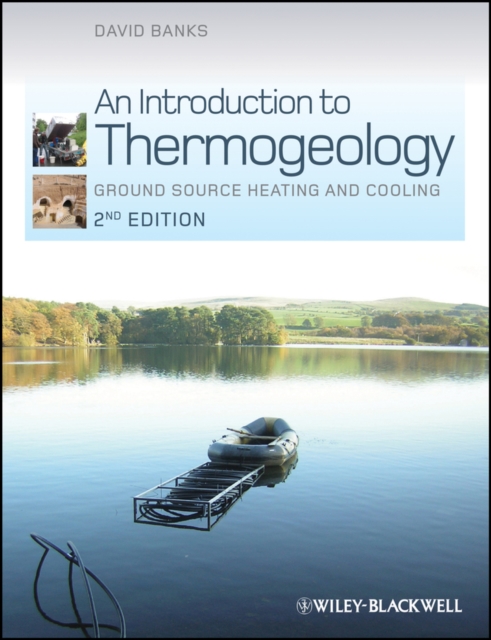
An introduction to thermogeology : ground source heating and cooling
This authoritative guide provides a basis for understanding the emerging technology of ground source heating and cooling.It equips engineers, geologists, architects, planners and regulators with the fundamental skills needed to manipulate the ground's huge capacity to store, supply and receive heat, and to implement technologies (such as heat.
eBook

The role of the Latvian district heating system in the development of sustainable energy supply
The aim of the study is to determine whether and to what extent it is possible to use excess electricity produced by wind power plants during low demand periods for district heat production by heat pumps. Energy system analysis on an hourly basis is conducted at various capacities of wind power plants. The results show that it is possible to increase the share of renewable energy sources, decrease the use of primary energy sources and CO2 emissions per unit of the produced energy, i.e. heat and electricity, by using the surplus electricity produced by wind power in the heat pumps combined with the heat storage.
Centralizētās siltumapgādes sistēmām nākotnē būs pieaugoša nozīme atjaunojamo energoresursu īpatsvara palielināšanā valsts energobilancē. Nozīmīgi pieaugot vēja elektrostaciju saražotās elektroenerģijas īpatsvaram elektroapgādes sistēmā, aktuāls kļūs jautājums par pārpalikuma elektroenerģijas izmantošanu zema patēriņa stundās. Tādēļ nepastāvīgas jaudas atjaunojamo energoresursu elektrību ražojošu avotu plašāka izmantošana un integrēšana energoapgādes sistēmās prasīs patērētājus, kuri elastīgi spēj mainīt patēriņu atbilstoši avotu piegādes iespējām. Centralizētās siltumapgādes sistēmas zināmā apmērā spēj būt elastīgs elektroenerģijas patērētājs un veikt nepastāvīgas jaudas atjaunojamo energoresursu tehnoloģiju ražotās elektroenerģijas izmantošanu. Darba mērķis ir izpētīt, kādā apmērā centralizētās siltumapgādes sistēmas spēj izmantot vēja elektrostaciju ražoto elektroenerģijas pārpalikumu zema patēriņa stundās, lietojot siltuma sūkņu un siltuma akumulatoru iekārtas. Izpētes uzdevums ir noteikt, vai un cik lielā mērā ir iespējams palielināt atjaunojamo energoresursu īpatsvaru un samazināt oglekļa dioksīda emisijas elektroenerģijas un centralizētās siltumenerģijas ražošanas procesā, izmantojot vēja ražoto elektroenerģiju siltuma sūkņu iekārtās. Centralizētās siltumapgādes un elektroapgādes sistēma ir pētīta, lietojot energosistēmu analīzes modelis “EnergyPLAN”, kurš ļauj analīzi veikt stundu griezumā, un analizēt dažādu tehnoloģiju kombinācijas. Darba rezultāti parāda, ka vēja elektrostaciju ražotās pārpalikuma elektroenerģijas lietošana siltuma ražošanai siltuma sūkņu iekārtās, kas apvienotas ar siltuma akumulatoriem centralizētās siltumapgādes sistēmās, ļauj samazināt primāro energoresursu patēriņu un CO2 emisijas, un palielināt atjaunojamo energoresursu īpatsvaru, rēķinot uz vienu saražotās enerģijas (siltuma un elektrības) vienību.
Journal Article
Possibilities of heat pump integration for the renovation of dwelling houses
The technical solutions for the installation of heat pumps in individual houses are well known, but its integration in the existing systems in dwelling houses is not common. Heat pump technology is referred to as renewable but would have technical, economic and environmental impact on the whole existing heat supply system in a dwelling house. The aim of this article is to investigate the possibility of using heat pumps for supplying heat to the existing residential buildings. This article examines the possibilities to supplement the engineering systems with additional heat pumps. The smallest heat pump end-user group is the dwelling stairwell. The possibility to use heat pumps in a separate apartment has not been analysed. This article analyses the integration of heat pumps for residential heat supply in the building. The primary heat source is the exhaust air or wastewater. All calculations have been made for several real existing dwelling houses in Birštonas town (Lithuania) within the framework of the CONCERTO Eco-Life project. The analysis also provides economic and environmental assessment of the alternatives. This research was supported by EC FP7 CONCERTO program (‘‘Sustainable Zero Carbon ECO-Town Developments Improving Quality of Life across EU - ECO-Life’’ (ECO-Life Project) Contract No. TREN/FP7EN/239497/\"ECOLIFE\").
Tehniskie risinājumi siltuma sūkņu uzstādīšanai privātmājās ir labi pazīstami, bet to integrācija jau esošās sistēmās daudzdzīvokļu ēkās notiek diezgan reti. Siltuma sūkņa tehnoloģiju bieži sauc par atjaunojamo, bet to integrācija daudzdzīvokļu ēkas esošajā siltumapgādes sistēmā sekmē tehnisko, ekonomisko un ekoloģisko izaugsmi kopumā. Darba mērķis ir siltuma sūkņu integrācijas iespēju izpēte esošajās siltuma/sanitārajās sistēmās daudzstāvu dzīvojamās ēkās. Vismazākā telpa, kurā iespējams integrēt siltuma sūkni, ir daudzstāvu ēkas kāpņu telpa. Siltuma sūkņu izmantošanas iespējas atsevišķā dzīvoklī netika aplūkotas. Detalizēti tika analizētas trīs alternatīvas: HP_R1 – siltuma sūknī saražotā gaisa siltuma izmantošana karstā ūdens sagatavošanai; HP_R2 – siltuma sūknī saražotā gaisa siltuma izmantošana telpu apsildei, pieslēdzoties rekuperatora vai mehāniskās ventilācijas sistēmai; HP_R3 – ēkas notekūdeņu siltuma izmantošana siltuma sūknī karstā ūdens sagatavošanai. Alternatīvu analīze un aprēķini tika veikti reālām daudzdzīvokļu ēkām Brištonas pilsētā (Lietuva) projekta CONCERTO Eco-Life ietvaros. Analīzē iekļauti arī alternatīvu ekonomiskie un ekoloģiskie novērtējumi.
Journal Article