
Catalogue Search | MBRL


Are you sure you want to remove the book from the shelf?

{{itemTitle}}
263,364
result(s) for
"BRAIN DISEASES"
Sort by:
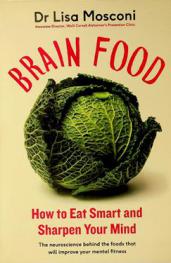
Brain food : the surprising science of eating for cognitive power
\"How to eat for maximum brain power and health from an expert in both neuroscience and nutrition. Like our bodies, our brains have very specific food requirements. And in this eye-opening book from an author who is both a neuroscientist and a certified integrative nutritionist, we learn what should be on our menu. Dr. Lisa Mosconi, whose research spans an extraordinary range of specialties including brain science, the microbiome, and nutritional genomics, notes that the dietary needs of the brain are substantially different from those of the other organs, yet few of us have any idea what they might be. Her innovative approach to cognitive health incorporates concepts that most doctors have yet to learn. Busting through advice based on pseudoscience, Dr. Mosconi provides recommendations for a complete food plan, while calling out noteworthy surprises, including why that paleo diet you are following may not be ideal, why avoiding gluten may be a terrible mistake, and how simply getting enough water can dramatically improve alertness. Including comprehensive lists of what to eat and what to avoid, a detailed quiz that will tell you where you are on the brain health spectrum, and 24 mouth-watering brain-boosting recipes that grow out of Dr. Mosconi's own childhood in Italy, Brain Food gives us the ultimate plan for a healthy brain. Brain Food will appeal to anyone looking to improve memory, prevent cognitive decline, eliminate brain fog, lift depression, or just sharpen their edge\"-- Provided by publisher.
Book

Repeated blood–brain barrier opening with an implantable ultrasound device for delivery of albumin-bound paclitaxel in patients with recurrent glioblastoma: a phase 1 trial
Low-intensity pulsed ultrasound with concomitant administration of intravenous microbubbles (LIPU-MB) can be used to open the blood–brain barrier. We aimed to assess the safety and pharmacokinetics of LIPU-MB to enhance the delivery of albumin-bound paclitaxel to the peritumoural brain of patients with recurrent glioblastoma.
We conducted a dose-escalation phase 1 clinical trial in adults (aged ≥18 years) with recurrent glioblastoma, a tumour diameter of 70 mm or smaller, and a Karnofsky performance status of at least 70. A nine-emitter ultrasound device was implanted into a skull window after tumour resection. LIPU-MB with intravenous albumin-bound paclitaxel infusion was done every 3 weeks for up to six cycles. Six dose levels of albumin-bound paclitaxel (40 mg/m2, 80 mg/m2, 135 mg/m2, 175 mg/m2, 215 mg/m2, and 260 mg/m2) were evaluated. The primary endpoint was dose-limiting toxicity occurring during the first cycle of sonication and albumin-bound paclitaxel chemotherapy. Safety was assessed in all treated patients. Analyses were done in the per-protocol population. Blood–brain barrier opening was investigated by MRI before and after sonication. We also did pharmacokinetic analyses of LIPU-MB in a subgroup of patients from the current study and a subgroup of patients who received carboplatin as part of a similar trial (NCT03744026). This study is registered with ClinicalTrials.gov, NCT04528680, and a phase 2 trial is currently open for accrual.
17 patients (nine men and eight women) were enrolled between Oct 29, 2020, and Feb 21, 2022. As of data cutoff on Sept 6, 2022, median follow-up was 11·89 months (IQR 11·12–12·78). One patient was treated per dose level of albumin-bound paclitaxel for levels 1 to 5 (40–215 mg/m2), and 12 patients were treated at dose level 6 (260 mg/m2). A total of 68 cycles of LIPU-MB-based blood–brain barrier opening were done (median 3 cycles per patient [range 2–6]). At a dose of 260 mg/m2, encephalopathy (grade 3) occurred in one (8%) of 12 patients during the first cycle (considered a dose-limiting toxicity), and in one other patient during the second cycle (grade 2). In both cases, the toxicity resolved and treatment continued at a lower dose of albumin-bound paclitaxel, with a dose of 175 mg/m2 in the case of the grade 3 encephalopathy, and to 215 mg/m2 in the case of the grade 2 encephalopathy. Grade 2 peripheral neuropathy was observed in one patient during the third cycle of 260 mg/m2 albumin-bound paclitaxel. No progressive neurological deficits attributed to LIPU-MB were observed. LIPU-MB-based blood–brain barrier opening was most commonly associated with immediate yet transient grade 1–2 headache (12 [71%] of 17 patients). The most common grade 3–4 treatment-emergent adverse events were neutropenia (eight [47%]), leukopenia (five [29%]), and hypertension (five [29%]). No treatment-related deaths occurred during the study. Imaging analysis showed blood–brain barrier opening in the brain regions targeted by LIPU-MB, which diminished over the first 1 h after sonication. Pharmacokinetic analyses showed that LIPU-MB led to increases in the mean brain parenchymal concentrations of albumin-bound paclitaxel (from 0·037 μM [95% CI 0·022–0·063] in non-sonicated brain to 0·139 μM [0·083–0·232] in sonicated brain [3·7-times increase], p<0·0001) and carboplatin (from 0·991 μM [0·562–1·747] in non-sonicated brain to 5·878 μM [3·462–9·980] μM in sonicated brain [5·9-times increase], p=0·0001).
LIPU-MB using a skull-implantable ultrasound device transiently opens the blood–brain barrier allowing for safe, repeated penetration of cytotoxic drugs into the brain. This study has prompted a subsequent phase 2 study combining LIPU-MB with albumin-bound paclitaxel plus carboplatin (NCT04528680), which is ongoing.
National Institutes of Health and National Cancer Institute, Moceri Family Foundation, and the Panattoni family.
[Display omitted]
Journal Article


Impact of age at onset and newborn screening on outcome in organic acidurias
Background and aim
To describe current diagnostic and therapeutic strategies in organic acidurias (OADs) and to evaluate their impact on the disease course allowing harmonisation.
Methods
Datasets of 567 OAD patients from the E-IMD registry were analysed. The sample includes patients with methylmalonic (MMA,
n
= 164), propionic (PA,
n
= 144) and isovaleric aciduria (IVA,
n
= 83), and glutaric aciduria type 1 (GA1,
n
= 176). Statistical analysis included description and recursive partitioning of diagnostic and therapeutic strategies, and odds ratios (OR) for health outcome parameters. For some analyses, symptomatic patients were divided into those presenting with first symptoms during (i.e. early onset, EO) or after the newborn period (i.e. late onset, LO).
Results
Patients identified by newborn screening (NBS) had a significantly lower median age of diagnosis (8 days) compared to the LO group (363 days,
p
< 0.001], but not compared to the EO group. Of all OAD patients 71 % remained asymptomatic until day 8. Patients with cobalamin-nonresponsive MMA (MMA-Cbl
−
) and GA1 identified by NBS were less likely to have movement disorders than those diagnosed by selective screening (MMA-Cbl
−
: 10 % versus 39 %,
p
= 0.002; GA1: 26 % versus 73 %,
p
< 0.001). For other OADs, the clinical benefit of NBS was less clear. Reported age-adjusted intake of natural protein and calories was significantly higher in LO patients than in EO patients reflecting different disease severities. Variable drug combinations, ranging from 12 in MMA-Cbl
−
to two in isovaleric aciduria, were used for maintenance treatment. The effects of specific metabolic treatment strategies on the health outcomes remain unclear because of the strong influences of age at onset (EO versus LO), diagnostic mode (NBS versus selective screening), and the various treatment combinations used.
Conclusions
NBS is an effective intervention to reduce time until diagnosis especially for LO patients and to prevent irreversible cerebral damage in GA1 and MMA-Cbl
−
. Huge diversity of therapeutic interventions hampers our understanding of optimal treatment.
Journal Article

The notebook of a new clinical neuropsychologist : stories from another world
\"Have you ever looked at a heavy volume on neuropsychology and wondered what it would actually be like to become a professional clinician, working every day with neurological patients in a busy hospital while simultaneously learning your craft? This book tells the story of that journey. a The Notebook of a New Clinical Neuropsychologist vividly details the experience of starting work in clinical neuropsychology, exploring early-career learning and development through an intimate, case-based approach. Topics include the learning of basic clinical skills and knowledge, counter-transference, the clinician's emotional experiences, ethical and moral dilemmas, and the development of clinical reasoning. The book is structured around individual studies from the author's early caseload, with each vignette containing the relevant neuropathology, clinical presentation, history, neuropsychological test finding and other clinical data. Chapters are also organized around key neuropathological conditions, including traumatic brain injury, stroke, and brain infections, which provide a broader context for the narrative focus of the book. A few academic books explore the personal, intellectual and ethical dilemmas that face a new clinician working with patients in a neuropsychological setting. Tailored to facilitate experiential learning via case studies, reflective practice and problem based-learning, the book will be of interest to students and professionals working within the broad area of neuropsychology and brain injury services.\"--Publisher description.
Book

Microglia and macrophages in brain homeostasis and disease
Microglia and non-parenchymal macrophages in the brain are mononuclear phagocytes that are increasingly recognized to be essential players in the development, homeostasis and diseases of the central nervous system. With the availability of new genetic, molecular and pharmacological tools, considerable advances have been made towards our understanding of the embryonic origins, developmental programmes and functions of these cells. These exciting discoveries, some of which are still controversial, also raise many new questions, which makes brain macrophage biology a fast-growing field at the intersection of neuroscience and immunology. Here, we review the current knowledge of how and where brain macrophages are generated, with a focus on parenchymal microglia. We also discuss their normal functions during development and homeostasis, the disturbance of which may lead to various neurodegenerative and neuropsychiatric diseases.
Journal Article


The gut microbiota–brain axis in behaviour and brain disorders
In a striking display of trans-kingdom symbiosis, gut bacteria cooperate with their animal hosts to regulate the development and function of the immune, metabolic and nervous systems through dynamic bidirectional communication along the ‘gut–brain axis’. These processes may affect human health, as certain animal behaviours appear to correlate with the composition of gut bacteria, and disruptions in microbial communities have been implicated in several neurological disorders. Most insights about host–microbiota interactions come from animal models, which represent crucial tools for studying the various pathways linking the gut and the brain. However, there are complexities and manifest limitations inherent in translating complex human disease to reductionist animal models. In this Review, we discuss emerging and exciting evidence of intricate and crucial connections between the gut microbiota and the brain involving multiple biological systems, and possible contributions by the gut microbiota to neurological disorders. Continued advances from this frontier of biomedicine may lead to tangible impacts on human health.In this Review, Morais, Schreiber and Mazmanian discuss emerging and exciting evidence of intricate and potentially important connections between the gut microbiota and the brain involving multiple biological systems, and possible contributions by the gut microbiota to complex behaviours.
Journal Article

Unthinkable : an extraordinary journey through the world's strangest brains
\"Our brains are more extraordinary--and far stranger--than we think. We take it for granted that we can remember, feel emotion, navigate, empathize, and understand the world around us, but how would our lives change if these abilities were dramatically enhanced--or disappeared overnight? Helen Thomson has spent years traveling the world, tracking down incredibly rare brain disorders. In Unthinkable she tells the stories of nine extraordinary people she encountered along the way. From the man who thinks he's a tiger, to the doctor who feels the pain of others just by looking at them, to a woman who hears music that's not there, their experiences illustrate how the brain can shape our lives in unexpected and, in some cases, brilliant and alarming ways. Story by remarkable story, Unthinkable takes us on an unforgettable journey through the human brain. Discover how to forge memories that never disappear, how to grow an alien limb, and how to make better decisions. Learn how to hallucinate, and how to make yourself happier in a split second. Find out how to avoid getting lost, how to see more of your reality, even how exactly you can confirm you are alive. Think the unthinkable.\"-- Dust jacket.
Book

A cross-disorder connectome landscape of brain dysconnectivity
Many human brain disorders are associated with characteristic alterations in the structural and functional connectivity of the brain. In this article, we explore how commonalities and differences in connectome alterations can reveal relationships across disorders. We survey recent literature on connectivity changes in neurological and psychiatric disorders in the context of key organizational principles of the human connectome and observe that several disturbances to network properties of the human brain have a common role in a wide range of brain disorders and point towards potentially shared network mechanisms underpinning disorders. We hypothesize that the distinct dimensions along which connectome networks are organized (for example, ‘modularity’ and ‘integration’) provide a general coordinate system that allows description and categorization of relationships between seemingly disparate disorders. We outline a cross-disorder ‘connectome landscape of dysconnectivity’ along these principal dimensions of network organization that may place shared connectome alterations between brain disorders in a common framework.In this Opinion article, Martijn van den Heuvel and Olaf Sporns examine alterations in structural and functional brain connectivity across brain disorders. They propose a common landscape for such alterations that is based on principles of network organization.
Journal Article