
Catalogue Search | MBRL


Are you sure you want to remove the book from the shelf?

{{itemTitle}}
3
result(s) for
"Babelʹ, I. 1894-1940 Criticism and interpretation."
Sort by:

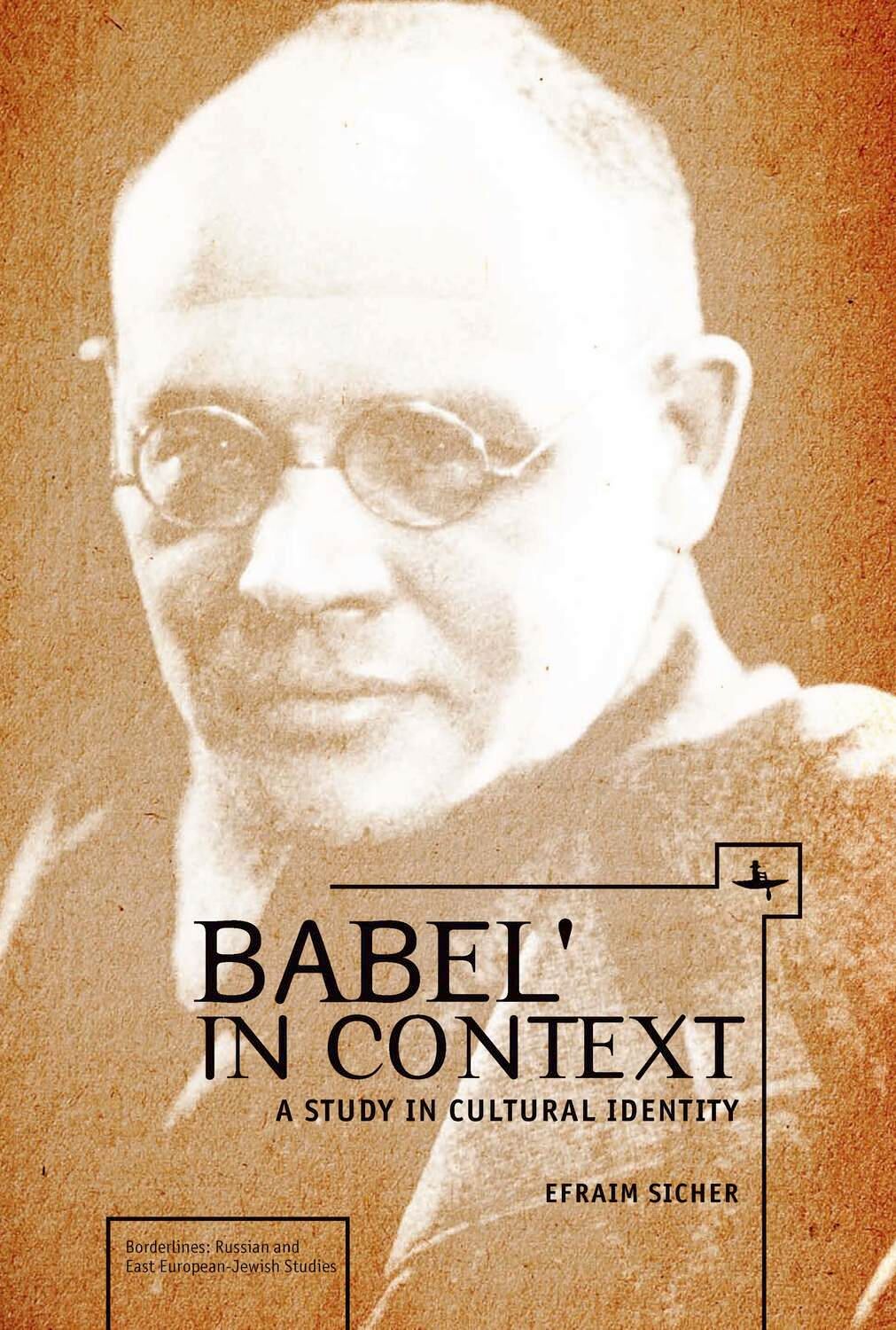
Babel' in Context
Isaak Babel (1894–1940) is arguably one of the greatest modern short story writers of the early twentieth century. Yet his life and work are shrouded in the mystery of who Babel was—an Odessa Jew who wrote in Russian, who came from one of the most vibrant centers of east European Jewish culture and all his life loved Yiddish and the stories of Sholom Aleichem.This is the first book in English to study the intertextuality of Babel’s work. It looks at Babel’s cultural identity as a case study in the contradictions and tensions of literary influence, personal loyalties, and ideological constraint. The complex and often ambivalent relations between the two cultures inevitably raise controversial issues that touch on the reception of Babel and other Jewish intellectuals in Russian literature, as well as the “Jewishness” of their work.
eBook
The End of Cosmopolitan Time
Isaak Babel (1894–1940) is well known for his celebration of Odesa as a hedonistic site of comic epic gangsters. Yet this common characterization in Russian literary criticism of Babel as an “Odes(s)a writer” is based on a cultural myth that all too often cites Babel as evidence. This chapter argues against the tendency to base the reading of Isaak Babel’s Odessa Stories (1921–1932) on Odesa’s reputation as a “city of rogues” and as a “criminal city”² or as a topos of postrevolutionary nostalgia for an imagined golden age of promiscuous fecundity.³
Although Odesa experienced a surge of lawlessness
Book Chapter