
Catalogue Search | MBRL


Are you sure you want to remove the book from the shelf?

{{itemTitle}}
113
result(s) for
"Ben-Gurion, David, 1886-1973"
Sort by:


David Ben-Gurion and the Foundation of Israeli Democracy
In David Ben-Gurion and the Foundation of Israeli
Democracy , Nir Kedar offers a poignant study of the primary
national founder of the State of Israel and the first prime
minister of Israel.
Kedar provides an explication of the making of Israeli democracy
in terms of its institutional-legal structures and social-cultural
underpinnings.
David Ben-Gurion and the Foundation of Israeli
Democracy connects the formal structures of democracy to the
fundamental principles that they were constructed to serve-human
freedom and dignity.
eBook
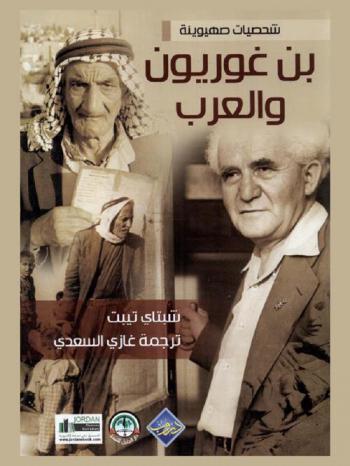
Ben-Gurion
This is the first in-depth account of the later years of David Ben-Gurion (1886-1973), Israel's first Prime Minister and founding father. Based on his personal archives and interviews with his intimate friends and family, the book provides an examination of the decisive moments in the annals of Zionism through the lens of Ben-Gurion's world view.
eBook
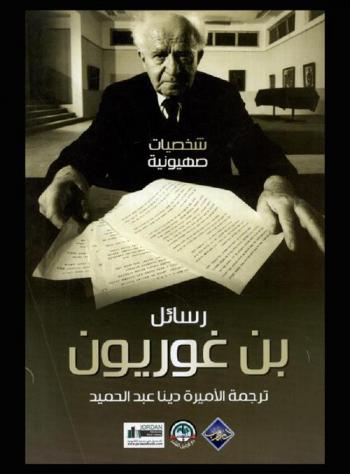
رسائل بن غوريون
وفي هذه الفترة التي تغطيها الرسائل ما بين 1918 حتى عام 1939 كانت بريطانيا هي الدولة المسيطرة على مقدرات فلسطين، فهي بذلك الهدف للحركة الصهيونية الذي يجب التوصل غليه وضمانه لنجاح المشروع الصهيوني، ولكن انحسار مكانة بريطانيا بعد الحرب العالمية الثانية وتحولها إلى الدولة من الدرجة الثانية وبروز أمريكا كالدولة الأعظم والأكثر تأثيرا بالنسبة للمشروع الصهيوني دفع الحركة الصهيونية غلى اعتبار أمريكا هي \"الهدف\" بعد ذلك، \"فموافقة حكومتها\" هو ما تقضي به \"الضرورة\" المستجدة. والرسائل تكشف العمل اليومي للحركة الصهيونية في العاصمة البريطانية، وتلقي أضواء على تحول الحركة الصهيونية إلى أمريكا بعد ذلك، كما تبين بوضوح قسمات \"البعد الدولي\" للحركة الصهيونية، وتعرض لكثير من تفاصيل العمل السياسي والصراعات في داخل الحركة الصهيونية، وتساعد على فهم أفضل لهذه الحركة من الداخل.
BOOK

يوميات الحرب 1947-1949 = War diaries = yawmiaat al-harb
احتفظ دافيد بن-غوريون، القائد الصهيوني البارز وأول رئيس حكومة لإسرائيل، بيوميات مفصلة خلال حرب 1948، تضمنت ملاحظاته بخصوص جميع نواحي الحرب عمليا، العسكرية والسياسية والدولية. تشكل هذه اليوميات مرجعا لا غنى عنه لفهم الحرب وسياسة واستراتيجية إسرائيل خلالها. ويحتوي هذا الكتاب على مختارات واسعة من اليوميات مترجمة عن الأصل العبري.
Book

Arrows in the Dark (Volumes 1 and 2)
Arrows in the Dark recounts and analyzes the many efforts of aid and rescue made by the Jewish community of Palestine—the Yishuv—to provide assistance to European Jews facing annihilation by the Nazis. Tuvia Friling provides a detailed account of the activities carried out at the behest of David Ben-Gurion and the Yishuv leadership, from daring attempts to extract Jews from Nazi-occupied territory, to proposals for direct negotiations with the Nazis. Through its rich array of detail and primary documentation, this book shows the wide scope and complexity of Yishuv activity at this time, refuting the idea that Ben-Gurion and the Yishuv ignored the plight of European Jews during the Holocaust.
eBook
Jewish identities : fifty intellectuals answer Ben Gurion
Who and what is a Jew? Is there any common denominator between an ultra-Orthodox rabbi of an Israeli North African community and a Berkeley academic of the Movement for a Secular and Humanistic Judaism? Do Jews the world over convergre and emphasize their unity or do they share contrasting concepts of collective identity? Part I of this book presents a systematic discussion of Jewish identities in this era of (post)modernity. The opportunity is offered by a set of invaluable texts, which appear in Part II. These texts about Jewish identity were invited, in 1958, by Ben-Gurion from 50 intellectuals - rabbis, writers, scientists and lawyers -, from the Diaspora and Israel, representative of the principal streams of contemporary Jewish thought.
eBook