
Catalogue Search | MBRL


Are you sure you want to remove the book from the shelf?

{{itemTitle}}
33
result(s) for
"Bible. N.T. Mark -- Commentaries"
Sort by:
The catena in Marcum : a Byzantine anthology of early commentary on Mark
Providing the first extended English translation of the earliest anthology of patristic commentary on Mark's gospel, this book provides a careful analysis of the development of this text and assesses its significance for the history of the interpretation of Mark's gospel.
eBook

The first commentary on Mark : an annotated translation
This is the first English translation of a text that Cahill identifies as the first formal commentary on Mark's gospel. Probably written in Ireland in the first half of the seventh century, the commentary was for almost 1000 years attributed to St. Jerome and as such exercised incalculable influence on subsequent commentary, including Aquinas's Catena Aurea. This translation will make this unique text available to readers who do not know Latin and will serve as an invaluable introduction to late patristic and early medieval biblical exegesis.
eBook
Mark : a commentary
The first New Testament Library volume to focus on a Gospel, this commentary offers a careful reading of the book of Mark. Internationally respected interpreter M. Eugene Boring brings a lifetime of research into the Gospels and Jesus into this lively discussion of the first Gospel.
The New Testament Library offers authoritative commentary on every book and major aspect of the New Testament, as well as classic volumes of scholarship. The commentaries in this series provide fresh translations based on the best available ancient manuscripts, offer critical portrayals of the historical world in which the books were created, pay careful attention to their literary design, and present a theologically perceptive exposition of the text.
eBook
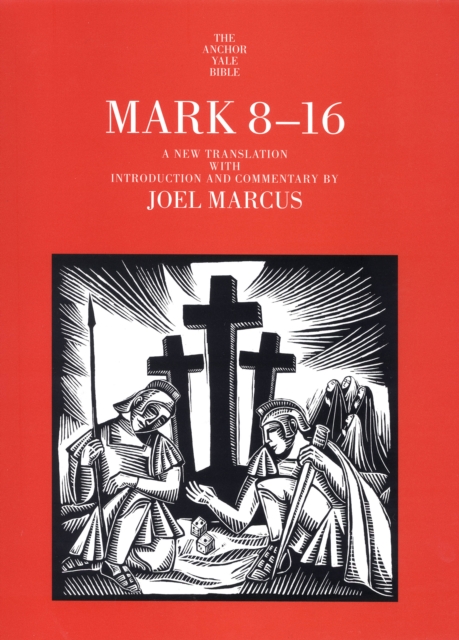
Mark 8-16 : a new translation with introduction and commentary
In the final nine chapters of the Gospel of Mark, Jesus increasingly struggles with his disciples incomprehension of his unique concept of suffering messiahship and with the opposition of the religious leaders of his day. The Gospel recounts the events that led to Jesus arrest, trial, and crucifixion by the Roman authorities,concluding with an enigmatic ending in which Jesus resurrection is announced but not displayed.In this volume New Testament scholar Joel Marcus offers a new translation of Mark 816 as well as extensive commentary and notes. He situates the narrative within the context of first-century Palestine and the larger Greco-Roman world; within the political context of the Jewish revolt against the Romans (6673 C.E.); and within the religious context of the early churchs sometimes rancorous engagement with Judaism, pagan religion, and its own internal problems. For religious scholars, pastors, and interested lay people alike, the book provides an accessible and enlightening window on the second of the canonical Gospels.
eBook
Mark : a reader-response commentary
The distinguished Dutch New Testament scholar Bas van Iersel offers us an incisive and comprehensive episode-by-episode commentary on the Gospel of Mark.His special focus is on the contribution of each episode to the overall meaning of the gospel, at both the level of the story and the level of the discourse.
eBook