
Catalogue Search | MBRL


Are you sure you want to remove the book from the shelf?

{{itemTitle}}
4
result(s) for
"Biochemistry Miscellanea."
Sort by:


The Tao of Chemistry and Life
Written with the non-scientist in mind, this book employs the molecule and its interactions to explain the characteristics of living organisms in terms of the underlying chemistry of life. Following introductory chapters on the fundamentals of life, attention then turns to small molecules such as hormones and neurotransmitters and subsequently to macromolecules including proteins and nucleic acids. The interactions between small and macromolecules remains a central point throughout the book. These include enzymatic catalysis, hormone action, neurotransmission, regulation of metabolism, biosynthesis of macromolecules, the mechanism of action of drugs, taste, olfaction, learning and memory, and chemical communication. A second central point of emphasis is the sensitive relationship between chemical structure and biological activity. Examples abound and include why subtle changes in fatty acid architecture have positive or negative outcomes for human health in omega-three fatty acids and trans fats and how modest changes in the chemical decoration of the steroid skeleton provide the difference between male and female sex hormones. Beyond these examples taken from the chemistry of small molecules, the book includes a thoughtful consideration of genomics, including the relationship between genome structure and species. The theme of human health appears throughout the book. Cardiovascular medicine, cancer, metabolic diseases, and diseases of the nervous system receive significant attention including consideration of how a variety of drugs work in combating these issues. In sum, the goal of this book is to inform the non-scientist community in a way that will lead to increased understanding of the relationship between chemistry and life.
eBook
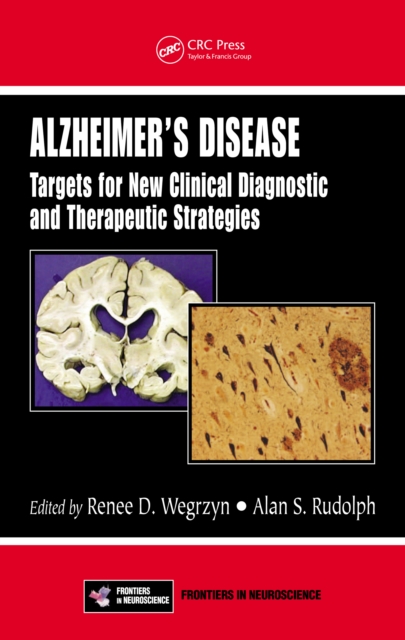
Alzheimer's Disease
In recent years, a tremendous amount of effort has been focused on better understanding the fundamentals of Alzheimer's disease (AD) to facilitate early and accurate diagnosis and appropriately targeted therapeutic treatments. This volume provides a detailed synopsis of the current state of the art of diagnostics and therapeutics and identifies emerging technologies and molecules that show promise in the management and treatment of AD. Examining current hypotheses and suggesting possible new approaches to therapeutic clinical applications, this volume paves the way for a robust pipeline of therapeutics to combat not only AD, but a whole host of other neurodegenerative diseases.
eBook

Testing homogeneity of many within-subject variances using small samples
SUMMARY The problem of testing homogeneity of many within-subject variances using small samples is addressed. The asymptotic null distribution of minus twice the likelihood ratio statistic, as the number of subjects tends to infinity, is derived. By inverting the characteristic function of this statistic numerically, the performance of the corresponding critical values may be assessed, and compared with competing approximations. A real data example and a theoretical comparison demonstrate the accuracy of the critical values derived.
Journal Article