
Catalogue Search | MBRL


Are you sure you want to remove the book from the shelf?

{{itemTitle}}
2,657
result(s) for
"Biographical films"
Sort by:

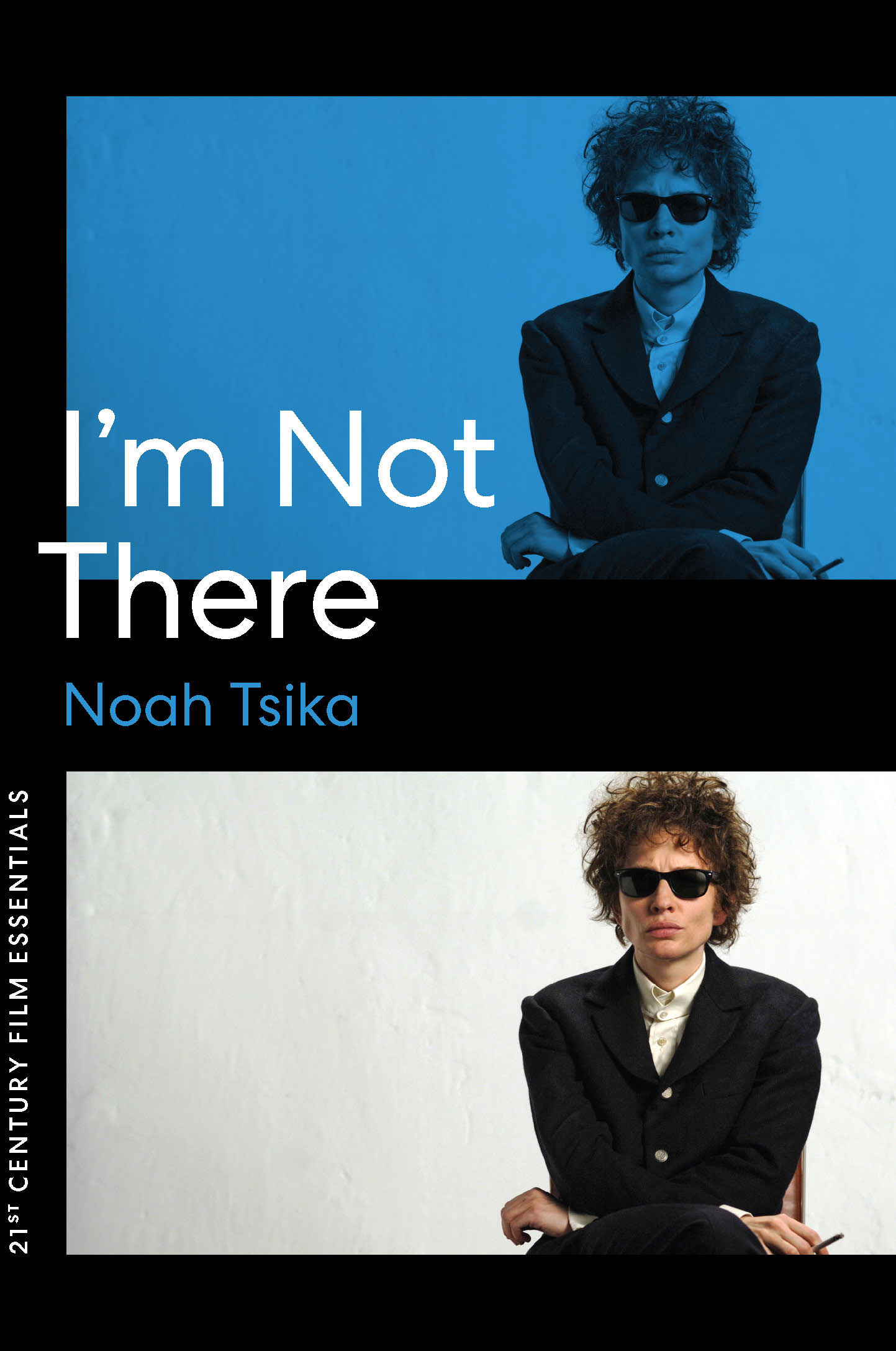
I'm Not There
An examination of director Todd Haynes and his Bob Dylan
biopic. As the first and only Bob Dylan \"biopic,\" I'm
Not There caused a stir when released in 2007. Offering a
surreal retelling of moments from Dylan's life and career, the film
is perhaps best known for its distinctive approach to casting,
including Cate Blanchett and Marcus Carl Franklin, a Black child
actor, as versions of Dylan though none of the characters bear his
name. Greenlit by Bob Dylan himself, the film uses Dylan's music as
a score, a triumph for famed queer filmmaker Todd Haynes after
encountering issues with copyright in previous projects.
Noah Tsika eloquently characterizes all the ways that Dylan and
Haynes harmonize in their methods and sensibilities, interpreting
the rule-breaking film as a biography that refuses chronology,
disdains factual accuracy, flirts with libel, and cannibalizes
Western cinema. Fitting the film's inspiration, creation, and
reception alongside its continuing afterlife, Tsika examines
Dylan's music in the film through the context of intellectual
property, raising questions about who owns artistic material and
artistic identities and how such material can be reused and
repurposed. Tsika's adventurous analysis touches on gender, race,
queerness, celebrity, popular culture, and the law, while offering
much to Haynes and Dylan fans alike.
eBook


Biofiction and Writers' Afterlives
The twelve essays collected in this work explore the afterlives of nineteenth- and twentieth-century writers in biographical fiction, or biofiction, and its sister genre, the biopic. The essays situate these genres in relation to their generic, cultural, and ideological contexts, and are organised into four groups. The first locates the origins of biofiction in the historical novel, and in Modernist experiments in life writing, while the second consists of case studies of biofiction about writers from the long nineteenth century: Charlotte Brontë, Henry James, Constance Fenimore Woolson, and Rupert Brooke. A guest essay by novelist Maggie Gee opens the third group, which analyses the fertile sub-genre of biographical novels about Woolf, while the fourth and final part of the book concerns the related genre of the biopic. The volume is comprised entirely of original commissions, whose authors include postgraduate students, practitioners and specialists in biographical writing. It will appeal to undergraduates and postgraduates on life writing and contemporary literature modules, as well as fans of the featured biographical novelists and their subjects.
eBook

Rule, Britannia! : the biopic and British national identity
\"Rule, Britannia! surveys the British biopic, a genre crucial to understanding how national cinema engages with the collective experience and values of its intended audience. The volume focuses on how screen biographies of prominent figures in British history and culture can be understood as involved, if unofficially, in the shaping and promotion of an ever-protean national identity. The contributors engage with the vexed concept of British nationality, especially as this sense of collective belonging is problematized by the ethnically oriented alternatives of English, Scottish, Welsh, and Irish nations. They explore the critical and historiographical issues raised by the biopic, demonstrating that celebration of conventional virtue is not the genre's only natural subject. The chapters cover filmic depictions of such personalities as Elizabeth I, Victoria, George VI, Elizabeth II, Margaret Thatcher, Iris Murdoch, and Jack the Ripper. Rule, Britannia! offers a provocative take on an aspect of filmmaking with profound cultural significance\"-- Provided by publisher.
Book

A Companion to the Biopic
The most comprehensive reference text of theoretical and historical discourse on the biopic film The biopic, often viewed as the most reviled of all film genres, traces its origins to the early silent era over a century ago.Receiving little critical attention, biopics are regularly dismissed as superficial, formulaic, and disrespectful of history.
eBook

Inspired by true events : an illustrated guide to more than 500 history-based films
\"An up-to-date and indispensable guide for film history buffs of all kind, this book surveys more than 500 major films based on true stories and historical subject matter\"-- Provided by publisher.
Book

Whose Lives Are They Anyway?
Through detailed analyses and critiques of nearly twenty biopics,Whose Lives Are They Anyway?proves a critical point: The biopic is a genuine, dynamic genre and an important oneùit narrates, exhibits, and celebrates a subject's life and demonstrates, investigates, or questions his or her importance in the world; it illuminates the finer points of a personality; and, ultimately, it provides a medium for both artist and spectator to discover what it would be like to be that person, or a certain type of person.
eBook

