
Catalogue Search | MBRL


Are you sure you want to remove the book from the shelf?

{{itemTitle}}
8,120
result(s) for
"Borges, Jorge Luis"
Sort by:


Borges and the literary marketplace : how editorial practices shaped cosmopolitan reading
A fascinating history of Jorge Luis Borges's efforts to revolutionize and revitalize literature in Latin America Jorge Luis Borges (1899-1986) stands out as one of the most widely regarded and inventive authors in world literature. Yet the details of his employment history throughout the early part of the twentieth century, which foreground his efforts to develop a worldly reading public, have received scant critical attention. From librarian and cataloguer to editor and publisher, this writer emerges as entrenched in the physical minutiae and social implications of the international book world. Drawing on years of archival research coupled with bibliographical analysis, this book explains how Borges's more general involvement in the publishing industry influenced not only his formation as a writer, but also global book markets and reading practices in world literature. In this way it tells the story of Borges's profound efforts to revolutionize and revitalize literature in Latin America through his varying jobs in the publishing industry.
eBook


Nature Fantasies
In this original study, Gabriel Horowitz examines the work of select nineteenth- and twentieth-century Latin American writers through the lens of contemporary theoretical debates about nature, postcoloniality, and national identity. In the work of José Martí, Gertrudis Gómez de Avellaneda, Jorge Luis Borges, Augusto Roa Bastos, Cesar Aira, and others, he traces historical constructions of nature in regional intellectual traditions and texts as they inform political culture on the broader global stage. By investigating national literary discourses from Cuba, Argentina, and Paraguay, he identifies a common narrative thread that imagines the utopian wilderness of the New World as a symbolic site of independence from Spain. In these texts, Horowitz argues, an expressed desire to return to the nation’s foundational nature contributed to a movement away from political and social engagement and toward a “biopolitical state,” in which nature, traditionally seen as pre-political, conversely becomes its center.
eBook
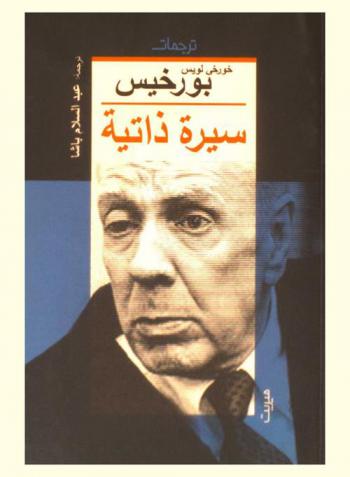
خورخي لويس بورخيس : سيرة ذاتية
في المقدمة التي قام بإملائها بنفسه، تكشف الكثير عن رؤية هذا الكاتب لذاته، ولتقدم معلومات، الكثير منها يعرف لأول مرة حول طفولته وعلاقاته. ورغم هذا يوجد جانب من حياته لم يتطرق إليه على الإطلاق. هذا الجانب المسكوت عنه يمكن التعرف عليه من خلال ذكريات ممن عاشوا بالقرب منه. وسنجد أن هناك تكاملا بين ما سكت عنه بورخيس وما يعرفه الآخرون. وبشكل عام يتعلق ما لم يذكره بورخيس في هذا الكتاب، أو في لقاءاته الصحافية، ببعض سمات شخصيته كالخجل والتواضع وعلاقته بالمرأة. من الأمور التي ندر ذكرها في هذا الكتاب طبيعة علاقته بالمرأة وعزوفه عن الزواج حتى جاوز الستين من عمره، رغم ذلك قد يبدو هذا التغييب المتعمد منطقيا إلى حد ما. في هذه المذكرات يركز بورخيس على اللحظات والمواقف والأشخاص ذوي الصلة بثقافته أو إنتاجه الأدبي.
Book
The Quest for God in the Work of Borges
This book argues that the quest for God, though largely unheeded by the critical canon, was a major and enduring preoccupation for Borges.This is shown through careful analysis both of his essays, with their emphasis on his philosophical-theological explorations, and of the narrative articulations which are his stories.
eBook
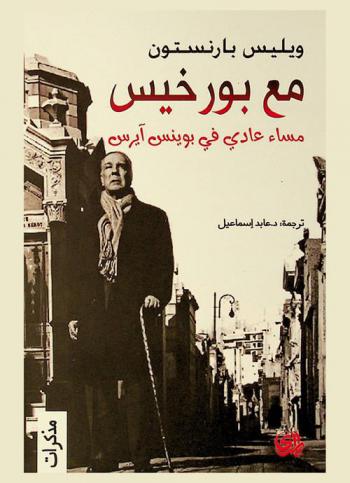
مع بورخيس : مساء عادي في بوينس آيرس : (مذكرات)
هذه المذكرات الغنية عن الشاعر الأرجنتيني خورخي لويس بورخيس في عقوده الأخيرة تضم حوارات فلسفية، وأحداثاً وقصصاً عن سيرته الذاتية، وكثيرا من الاقتباسات الشعرية، بالإضافة إلى التحليل الأدبي العميق. الشاعر الأمريكي ويليس بارنستون أحد أهم مترجمي بورخس إلى اللغة الإنكليزية وصديق مقرب له لأكثر من عشرين عاما يقدم حياة هذا الكاتب الكبير بوصفها رمزاً للتناقض والمفارقات. بارنستون يستعرض بلغة شعرية دافئة تلك المزايا الفريدة لبورخس من ذاكرة متقدة فياضة، وثقافة أدبية ثرية ومواقف فكرية تجاه المشهد السياسي في الأرجنتين بالإضافة إلى استبصارا بورخيس عن حياته المديدة وعلاقته بكتب وقصائد وقع في غرامها تنتمي إلى أكثر من ثقافة ولغة. إن روح بورخس وكلماته تشع عبر هذه الصفحات على شكل مذكرات متلاحقة تكشف عن عبقرية أدبية كانت وماتزال تشكل علامة فارقة في مشهد الحداثة الأدبي في القرن العشرين.
BOOK

Reading Borges after Benjamin
This book explores the relationship between time, life, and history in the work of Jorge Luis Borges and examines his work in relation to his contemporary, Walter Benjamin. By focusing on texts from the margins of the Borges canon—including the early poems on Buenos Aires, his biography of Argentina's minstrel poet Evaristo Carriego, the stories and translations from A Universal History of Infamy, as well as some of his renowned stories and essays—Kate Jenckes argues that Borges's writing performs an allegorical representation of history. Interspersed among the readings of Borges are careful and original readings of some of Benjamin's finest essays on the relationship between life, language, and history. Reading Borges in relationship to Benjamin draws out ethical and political implications from Borges's works that have been largely overlooked by his critics.
eBook

Jorge Luis Borges : a very short introduction
\"A probing, engaging examination of the work of Jorge Luis Borges (1899-1986) in the context of Argentinian, Latin American, and world literature, from his beginnings as an avant-gardist to his consecration as one of the most influential literary figures of the twentieth century. In essays, stories, and poems, Borges developed a unique voice that allowed him to explore favorite intellectual motifs: labyrinths, the infinite, the universe as a book, memory, and storytelling as fate. Just as he renewed the Spanish language by means of a tight, almost mathematical style, he redefined Argentine literature by inviting its practitioners to tackle universal themes, and he embraced translation as a strategy for reconceptualizing the original text. Ilan Stavans, a world authority on Borges and an internationally celebrated essayist and translator, reflects on what the term Borgesian means in an age of instant information, consumerism, and apathy toward reading\"-- Provided by publisher.
BOOK
Liberty, individuality, and democracy in Jorge Luis Borges
This book seeks to fill a double lacuna in Borges scholarship. For one, this scholarship has been largely developed through the lens of literary and cultural studies, and not by political theorists who bring a distinct disciplinary perspective into the reading of literary works. Secondly, mainstream interpreters have overlooked or have not analyzed enough Borges's political sympathies. This book doesnot evaluate if these sympathies are truthful to political and historical facts or philosophical theories; rather, she shows in which aspects and around which topics Borges finds inspiration and gives literary form to the political. His texts abound with concepts and events such as liberty, individuality, war, and revolution, and they deal with topics such as the legitimacy of authority, the limits of reason, and the principle of representation, among others. This book also addresses Borges's democratic sensitivity and his critique of populism and militarism as related to salient national and global historical events that inspired his works. Above all, it calls attention to Borges's belief in the pre-eminence of individual liberty, his rejection of political oppression, and his warning against civic indifference brought about by an isolated individualism. This book may be of interest to students and professors of politics, philosophy and literature. It may also interest literary critics and readers who want to approach Borges's works with a political rather than a literary or a cultural lens.
eBook