
Catalogue Search | MBRL


Are you sure you want to remove the book from the shelf?

{{itemTitle}}
4,031
result(s) for
"Boron compounds"
Sort by:

Integrated Safety Update of Abrocitinib in 3802 Patients with Moderate-to-Severe Atopic Dermatitis: Data from More than 5200 Patient-Years with Up to 4 Years of Exposure
Background
Abrocitinib, an oral, once-daily, Janus kinase 1-selective inhibitor, is efficacious in moderate-to-severe atopic dermatitis with a manageable long-term safety profile.
Objective
We aimed to provide updated integrated long-term safety results for abrocitinib from available data accrued up to a maximum of almost 4 years in patients with moderate-to-severe atopic dermatitis from the JADE clinical development program.
Methods
Analysis included 3802 patients (exposure: 5213.9 patient-years) from the phase II monotherapy study (NCT02780167) and the phase III studies JADE MONO-1 (NCT03349060), JADE MONO-2 (NCT03575871), JADE TEEN (NCT03796676), JADE COMPARE (NCT03720470), JADE DARE (NCT04345367; 200 mg only), JADE REGIMEN (NCT03627767), and JADE EXTEND (NCT03422822; data cutoff 25 September, 2021). Data from patients receiving one or more doses of abrocitinib 200 mg or 100 mg were pooled in a consistent-dose cohort (patients were allocated to receive the same abrocitinib dose throughout exposure in the qualifying parent study and/or long-term study) or a variable-dose cohort (patients received open-label abrocitinib 200 mg; responders were randomized to abrocitinib 200 mg, 100 mg, or placebo, and could then receive abrocitinib 200 mg plus topical corticosteroids as rescue therapy). Incidence rates of adverse events of special interest were assessed. Cox regression analysis of risk factors for herpes zoster and serious infections was performed.
Results
Overall, this safety analysis of long-term data up to a maximum of ~ 4 years of abrocitinib exposure does not indicate any changes from the previously reported risk profile. The most frequent serious infections (per Medical Dictionary for Regulatory Activities preferred term) with consistent-dose abrocitinib 200 mg and 100 mg were herpes zoster (0.5% and 0.2%), pneumonia (0.2% with either dose), and herpes simplex (0.1% with either dose). Risk factors for herpes zoster were a history of herpes zoster, abrocitinib 200-mg dose, age ≥ 65 years, absolute lymphocyte count < 1 × 10
3
/mm
3
before the event, and residing in Asia. For serious infections, > 100 kg body weight was a risk factor. Incidence rate/100 patient-years (95% confidence interval) with the consistent abrocitinib 200-mg and 100-mg dose combined was higher in older (aged ≥ 65 years) patients versus younger (aged 18 to < 65 years) patients for serious adverse events (17.6 [11.7‒25.4] vs 6.7 [5.8‒7.8]), malignancy excluding non-melanoma skin cancer (2.4 [0.6‒6.0] vs 0.1 [0.0‒0.4]), non-melanoma skin cancer (2.4 [0.6‒6.1] vs 0.2 [0.1‒0.4]), lymphopenia (3.5 [1.3‒7.6] vs 0.1 [0.0‒0.3]), and venous thromboembolism (1.7 [0.4‒5.1] vs 0.1 [0.0‒0.3]). Incident rate/100 patient-years (95% confidence interval) of non-melanoma skin cancer with the consistent abrocitinib 200-mg and 100-mg dose combined was higher in current/former smokers (0.9 [0.4‒1.6]) vs never-smokers (0.0 [0.0‒0.1]).
Conclusions
This safety update showed a consistent profile for abrocitinib with no new safety signals and continues to support that abrocitinib has a manageable long-term safety profile in patients with moderate-to-severe atopic dermatitis. Risk of specific adverse events was higher in certain patient populations, especially those aged ≥ 65 years. [Video abstract available.]
Clinical Trial Registration
NCT02780167; study start date: April, 2016; primary completion date: March, 2017; study completion date: April, 2017. NCT03349060; study start date: 7 December, 2017; study completion date: 26 March, 2019. NCT03575871; study start date: 29 June, 2018; study completion date: 13 August, 2019. NCT03720470; study start date: 29 October, 2018; primary completion date: 27 December, 2019; study completion date: 6 March, 2020. NCT03796676; study start date: 18 February, 2019; study completion date: 8 April, 2020. NCT03627767; study start date: 11 June, 2018; primary completion date: 2 September, 2020; study completion date: 7 October, 2020. NCT04345367; study start date: 11 June, 2020; primary completion date: 16 December, 2020; study completion date: 13 July, 2021. NCT03422822; study start date: 8 March, 2018; study completion date: ongoing (estimated completion date: 31 January, 2026).
Plain Language Summary
Abrocitinib is an approved treatment for people with moderate or severe atopic dermatitis, also known as AD or atopic eczema. Abrocitinib is a tablet that is taken by mouth once a day. This safety analysis looked at the side effects of treatment in a large group of adults and adolescents with moderate or severe AD who took abrocitinib up to a maximum of almost 4 years. This analysis also looked at which people were more likely to have certain side effects after taking abrocitinib. The results from this analysis were similar to those of previous safety analyses with abrocitinib, with no new side effects. Infections such as shingles, pneumonia, or herpes simplex can occur during treatment with abrocitinib. Shingles was more likely to occur in people who previously had shingles before taking abrocitinib, or who took the higher dose of abrocitinib (200 mg), or were 65 years of age or older, or had certain blood test results, or lived in Asia. People who are 65 years of age or older and took abrocitinib were more likely to develop some types of cancer, have certain abnormal blood test results, or develop blood clots in the veins than people with AD who were younger and took abrocitinib. Current or former smokers with AD who took abrocitinib were more likely to develop skin cancer (but not melanoma) than people with AD who took abrocitinib but have never smoked. This analysis further shows that abrocitinib had manageable safety in patients with moderate-to-severe AD.
Dex5AhfAxs29XQspjFnxYi
Video abstract:
Integrated safety update of abrocitinib in 3802 patients with moderate-to-severe atopic dermatitis: data from more than 5200 patient-years with up to 4 years of exposure (MP4 63720 KB)
Journal Article

Oral Ixazomib, Lenalidomide, and Dexamethasone for Multiple Myeloma
The addition of the oral proteasome inhibitor ixazomib to a regimen of lenalidomide plus dexamethasone led to a significant prolongation of progression-free survival of almost 6 months, as compared with placebo, with a small increase in the risk of thrombocytopenia.
Outcomes of multiple myeloma have improved substantially over the past 15 years with the introduction of proteasome inhibitors and immunomodulatory drugs,
1
,
2
and these agents now form the backbone of therapy for multiple myeloma.
3
In phase 3 studies, triplet regimens based on these agents were shown to be more efficacious than doublet regimens when these regimens were used as a first-line treatment
4
–
6
and in relapsed disease.
7
,
8
In addition, there has been a shift in treatment patterns toward the use of extended treatment to further improve long-term outcomes,
9
and this shift highlights the need for additional effective agents with . . .
Journal Article

Randomized, double-blind, placebo-controlled phase III study of ixazomib plus lenalidomide-dexamethasone in patients with relapsed/refractory multiple myeloma: China Continuation study
Background
The China Continuation study was a separate regional expansion of the global, double-blind, placebo-controlled, randomized phase III TOURMALINE-MM1 study of ixazomib plus lenalidomide–dexamethasone (Rd) in patients with relapsed/refractory multiple myeloma (RRMM) following one to three prior therapies.
Methods
Patients were randomized (1:1) to receive ixazomib 4.0 mg or placebo on days 1, 8, and 15, plus lenalidomide 25 mg on days 1–21 and dexamethasone 40 mg on days 1, 8, 15, and 22, in 28-day cycles. Randomization was stratified according to number of prior therapies, disease stage, and prior proteasome inhibitor exposure. The primary endpoint was progression-free survival (PFS). In total, 115 Chinese patients were randomized (57 ixazomib-Rd, 58 placebo-Rd).
Results
At the preplanned final analysis for PFS, after median PFS follow-up of 7.4 and 6.9 months, respectively, PFS was improved with ixazomib-Rd versus placebo-Rd (median 6.7 vs 4.0 months; HR 0.598;
p
= 0.035). At the preplanned final analysis of overall survival (OS), after median follow-up of 20.2 and 19.1 months, respectively, OS was improved with ixazomib-Rd versus placebo-Rd (median 25.8 vs 15.8 months; HR 0.419;
p
= 0.001). On the ixazomib-Rd and placebo-Rd arms, respectively, 38 (67%) and 43 (74%) patients reported grade ≥3 adverse events (AEs), 19 (33%) and 18 (31%) reported serious AEs, and 4 (7%) and 5 (9%) died on-study. The most frequent grade 3/4 AEs were thrombocytopenia (18%/7% vs 14%/5%), neutropenia (19%/5% vs 19%/2%), and anemia (12%/0 vs 26%/2%).
Conclusions
This study demonstrated that PFS and OS were significantly improved with ixazomib-Rd versus placebo-Rd, with limited additional toxicity, in patients with RRMM.
Trial registration
ClinicalTrials.gov,
NCT01564537
Journal Article

Population Pharmacokinetic Analysis of Ixazomib, an Oral Proteasome Inhibitor, Including Data from the Phase III TOURMALINE-MM1 Study to Inform Labelling
Ixazomib is an oral proteasome inhibitor, approved in USA, Canada, Australia and Europe in combination with lenalidomide and dexamethasone, for the treatment of patients with multiple myeloma who have received at least one prior therapy. We report a population pharmacokinetic model-based analysis for ixazomib that was pivotal in describing the clinical pharmacokinetics of ixazomib, to inform product labelling. Plasma concentration–time data were collected from 755 patients who received oral or intravenous ixazomib in once- or twice-weekly schedules in ten trials, including the global phase III TOURMALINE-MM1 study. Data were analysed using nonlinear mixed-effects modelling (NONMEM software version 7.2, ICON Development Solutions, Hanover, MD, USA). Ixazomib plasma concentrations from intravenous and oral studies were described by a three-compartment model with linear distribution and elimination kinetics, including first-order linear absorption with a lag time describing the oral dose data. Body surface area on the volume of the second peripheral compartment was the only covariate included in the final model. None of the additional covariates tested including body surface area (1.2–2.7 m
2
), sex, age (23–91 years), race, mild/moderate renal impairment and mild hepatic impairment were found to impact systemic clearance, suggesting that no dose adjustment is required based on these covariates. The geometric mean terminal disposition phase half-life was 9.5 days, steady-state volume of distribution was 543 L and systemic clearance was 1.86 L/h. The absolute bioavailability of an oral dose was estimated to be 58%.
Journal Article

Ixazomib or Lenalidomide combined with cyclophosphamide and dexamethasone in the treatment of elderly transplant-ineligible newly diagnosed multiple myeloma
Oral-drug based regimens are useful in certain circumstances for transplant-ineligible newly diagnosed multiple myeloma (TI-NDMM), but few studies have compared Ixazomib based regimen with lenalidomide based regimen head-to-head. We carried out a prospective randomized, open, parallel group trial in patients with TI-NDMM in 3 China centers from March 2020 to December 2022. Sixty-three patients were available for final analysis, ICd (Ixazomib/cyclophosphamide/dexamethasone, n = 31) and RCd (lenalidomide/cyclophosphamide/dexamethasone, n = 32). The primary objective was to compare the two regimens by analyzing the overall response rate (ORR), safety profiles, progression-free survival (PFS) and overall survival (OS). We also explored clinical and the biological characteristics of the patients with primary drug resistance. Baseline characteristics were well balanced between ICd and RCd groups, with the median age 70 vs. 70 years; 12.9% vs. 12.5% of patients had stage III disease; 25.8% vs. 28.1% had high-risk cytogenetic abnormalities. The overall response rate (ORR) at the end of 4 cycles was 87.1% vs. 71.9% (odds ratio [OR], 1.212; 95% CI, 0.938–1.565; P = 0.213); the best ≥ VGPR rate was 41.9% vs. 31.2% (OR, 1.342; 95% CI 0.694–2.597; P = 0.439). Among high-risk cytogenetic patients, ORR was higher in the ICd group, 75% vs. 55.5% (P = 0.620), respectively. After 35 months follow-up, the median PFS were 22 and 23 months between ICd and RCd groups (P = 0.897). Median OS was not reached, estimated 3-year OS rate was 86.4% vs. 85.4% (P = 0.774). The most common adverse events of grade 3 or 4 were neutropenia (6.5% in the ICd group vs. 31.3% in the RCd group), anemia (19.4% vs. 18.8%), pneumonia (0 vs. 15.6%) and diarrhea (12.9% vs. 0). Treatment emergent adverse events (TEAEs) induced dose reduction and discontinuation were 22.6% vs. 37.5% and 3.2% vs. 6.3% in the ICd vs. RCd group, respectively. Exploration data showed that patients with t (4;14) were insensitive to initial RCd treatment. The ICd regimen showed a tendency towards improved ORR compared to RCd regimen. Both ICd and RCd regimens demonstrated less dose reduction and treatment discontinuation, suggesting their tolerability and feasibility for older individuals with TI-NDMM.
Trial registration:
This study was registered at Chinese Clinical Trial Register (ChiCTR). Trial registration number: ChiCTR2000029863. Date of registration: 15/02/2020.
Journal Article

Boron delivery agents for neutron capture therapy of cancer
Boron neutron capture therapy (BNCT) is a binary radiotherapeutic modality based on the nuclear capture and fission reactions that occur when the stable isotope, boron-10, is irradiated with neutrons to produce high energy alpha particles. This review will focus on tumor-targeting boron delivery agents that are an essential component of this binary system. Two low molecular weight boron-containing drugs currently are being used clinically, boronophenylalanine (BPA) and sodium borocaptate (BSH). Although they are far from being ideal, their therapeutic efficacy has been demonstrated in patients with high grade gliomas, recurrent tumors of the head and neck region, and a much smaller number with cutaneous and extra-cutaneous melanomas. Because of their limitations, great effort has been expended over the past 40 years to develop new boron delivery agents that have more favorable biodistribution and uptake for clinical use. These include boron-containing porphyrins, amino acids, polyamines, nucleosides, peptides, monoclonal antibodies, liposomes, nanoparticles of various types, boron cluster compounds and co-polymers. Currently, however, none of these have reached the stage where there is enough convincing data to warrant clinical biodistribution studies. Therefore, at present the best way to further improve the clinical efficacy of BNCT would be to optimize the dosing paradigms and delivery of BPA and BSH, either alone or in combination, with the hope that future research will identify new and better boron delivery agents for clinical use.
Journal Article

Deepening responses associated with improved progression-free survival with ixazomib versus placebo as posttransplant maintenance in multiple myeloma
In the TOURMALINE-MM3 study, post-autologous stem cell transplantation maintenance therapy with the oral proteasome inhibitor ixazomib versus placebo significantly improved progression-free survival (PFS), with a favorable safety profile. With ixazomib versus placebo maintenance, deepening responses occurred in 139/302 (46%) versus 60/187 (32%) patients with very good partial response or partial response (VGPR/PR) at study entry (relative risk 1.41, P = 0.004), and median time to best confirmed deepened response was 19.9 versus 30.8 months (24-month rate: 54.2 versus 41.4%; hazard ratio (HR): 1.384; P = 0.0342). Median PFS in patients with VGPR/PR at study entry was 26.2 versus 18.5 months (HR: 0.636, P < 0.001) with ixazomib versus placebo; in a pooled analysis across arms, in patients with versus without deepening responses, the median PFS was not reached versus 15.9 months (HR: 0.245, P < 0.001). In patients with deepening responses, 24-month PFS rate was 77.4 versus 68.3% with ixazomib versus placebo (HR: 0.831; P = 0.466); in patients without deepening responses, median PFS was 17.9 versus 14.1 months (HR: 0.741; P = 0.028). These analyses demonstrate the significantly higher rate of deepening responses with ixazomib versus placebo maintenance and the association between deepening response and prolonged PFS.
Journal Article
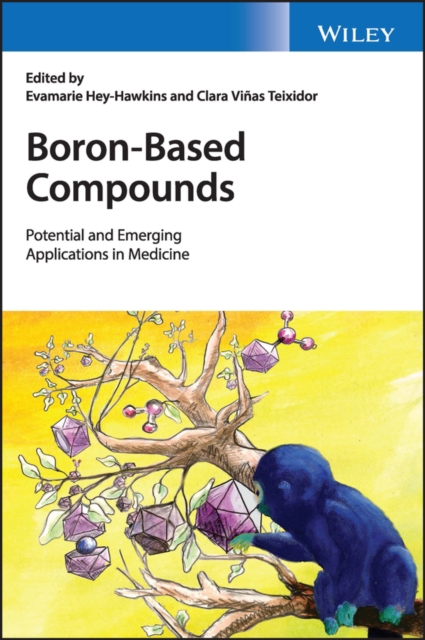
Boron-Based Compounds
Noted experts review the current status of boron-containing drugs and materials for molecular medical diagnostics
Boron-Based Compounds offers a summary of the present status and promotes the further development of new boron-containing drugs and advanced materials, mostly boron clusters, for molecular medical diagnostics. The knowledge accumulated during the past decades on the chemistry and biology of bioorganic and organometallic boron compounds laid the foundation for the emergence of a new area of study and application of boron compounds as lipophilic pharmacophores and modulators of biologically active molecules.This important text brings together in one comprehensive volume contributions from renowned experts in the field of medicinal chemistry of boron compounds.
The authors cover a range of the most relevant topics including boron compounds as modulators of the bioactivity of biomolecules, boron clusters as pharmacophores or for drug delivery, boron compounds for boron neutron capture therapy (BNCT) and for diagnostics, as well as in silico molecular modeling of boron- and carborane-containing compounds in drug design. Authoritative and accessible, Boron-Based Compounds:
* Contains contributions from a panel of internationally renowned experts in the field
* Offers a concise summary of the current status of boron-containing drugs and materials used for molecular diagnostics
* Highlights the range and capacity of boron-based compounds in medical applications
* Includes information on boron neutron capture therapy and diagnostics
Designed for academic and industrial scientists, this important resource offers the cutting-edge information needed to understand the current state of boron-containing drugs and materials for molecular medical diagnostics.
eBook

Oral ixazomib maintenance following autologous stem cell transplantation (TOURMALINE-MM3): a double-blind, randomised, placebo-controlled phase 3 trial
Maintenance therapy following autologous stem cell transplantation (ASCT) can delay disease progression and prolong survival in patients with multiple myeloma. Ixazomib is ideally suited for maintenance therapy given its convenient once-weekly oral dosing and low toxicity profile. In this study, we aimed to determine the safety and efficacy of ixazomib as maintenance therapy following ASCT.
The phase 3, double-blind, placebo-controlled TOURMALINE-MM3 study took place in 167 clinical or hospital sites in 30 countries in Europe, the Middle East, Africa, Asia, and North and South America. Eligible participants were adults with a confirmed diagnosis of symptomatic multiple myeloma according to International Myeloma Working Group criteria who had achieved at least a partial response after undergoing standard-of-care induction therapy followed by high-dose melphalan (200 mg/m2) conditioning and single ASCT within 12 months of diagnosis. Patients were randomly assigned in a 3:2 ratio to oral ixazomib or matching placebo on days 1, 8, and 15 in 28-day cycles for 2 years following induction, high-dose therapy, and transplantation. The initial 3 mg dose was increased to 4 mg from cycle 5 if tolerated during cycles 1–4. Randomisation was stratified by induction regimen, pre-induction disease stage, and response post-transplantation. The primary endpoint was progression-free survival (PFS) by intention-to-treat analysis. Safety was assessed in all patients who received at least one dose of ixazomib or placebo, according to treatment actually received. This trial is registered with ClinicalTrials.gov, number NCT02181413, and follow-up is ongoing.
Between July 31, 2014, and March 14, 2016, 656 patients were enrolled and randomly assigned to receive ixazomib maintenance therapy (n=395) or placebo (n=261). With a median follow-up of 31 months (IQR 27·3–35·7), we observed a 28% reduction in the risk of progression or death with ixazomib versus placebo (median PFS 26·5 months [95% CI 23·7–33·8] vs 21·3 months [18·0–24·7]; hazard ratio 0·72, 95% CI 0·58–0·89; p=0·0023). No increase in second malignancies was noted with ixazomib therapy (12 [3%] patients) compared with placebo (eight [3%] patients) at the time of this analysis. 108 (27%) of 394 patients in the ixazomib group and 51 (20%) of 259 patients in the placebo group experienced serious adverse events. During the treatment period, one patient died in the ixazomib group and none died in the placebo group.
Ixazomib maintenance prolongs PFS and represents an additional option for post-transplant maintenance therapy in patients with newly diagnosed multiple myeloma.
Millennium Pharmaceuticals, a wholly owned subsidiary of Takeda Pharmaceutical Company.
Journal Article

Hollow boron nitride nanospheres as boron reservoir for prostate cancer treatment
High global incidence of prostate cancer has led to a focus on prevention and treatment strategies to reduce the impact of this disease in public health. Boron compounds are increasingly recognized as preventative and chemotherapeutic agents. However, systemic administration of soluble boron compounds is hampered by their short half-life and low effectiveness. Here we report on hollow boron nitride (BN) spheres with controlled crystallinity and boron release that decrease cell viability and increase prostate cancer cell apoptosis.
In vivo
experiments on subcutaneous tumour mouse models treated with BN spheres demonstrated significant suppression of tumour growth. An orthotopic tumour growth model was also utilized and further confirmed the in vivo anti-cancer efficacy of BN spheres. Moreover, the administration of hollow BN spheres with paclitaxel leads to synergetic effects in the suppression of tumour growth. The work demonstrates that hollow BN spheres may function as a new agent for prostate cancer treatment.
Use of soluble boron compounds in prostate cancer therapy is hampered by their short half-life time and low effectiveness. Here, the authors show that boron nitride nanospheres with controlled boron release can reduce proliferation of prostate cancer cells and inhibit tumour growth in animal models.
Journal Article