
Catalogue Search | MBRL


Are you sure you want to remove the book from the shelf?

{{itemTitle}}
452
result(s) for
"Boston (Mass.) History."
Sort by:

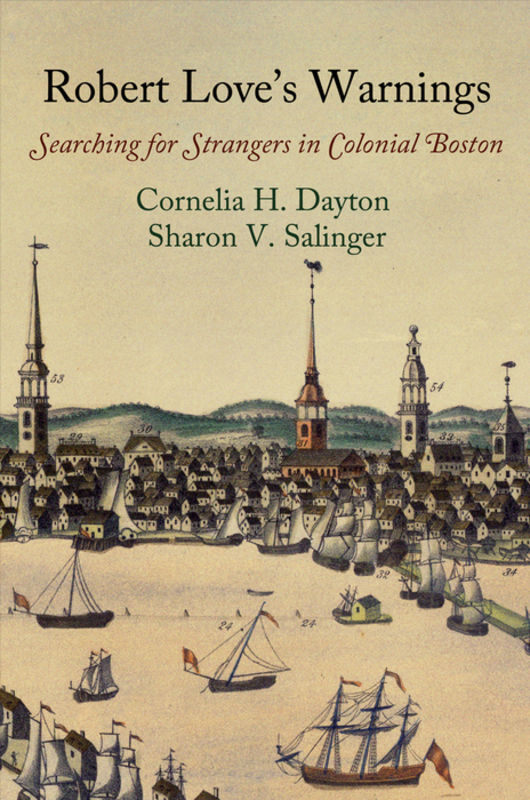
Robert Love's Warnings
In colonial America, the system of \"warning out\" was distinctive to New England, a way for a community to regulate those to whom it would extend welfare.Robert Love's Warningsanimates this nearly forgotten aspect of colonial life, richly detailing the moral and legal basis of the practice and the religious and humanistic vision of those who enforced it.Historians Cornelia H. Dayton and Sharon V. Salinger follow one otherwise obscure town clerk, Robert Love, as he walked through Boston's streets to tell sojourners, \"in His Majesty's Name,\" that they were warned to depart the town in fourteen days. This declaration meant not that newcomers literally had to leave, but that they could not claim legal settlement or rely on town poor relief. Warned youths and adults could reside, work, marry, or buy a house in the city. If they became needy, their relief was paid for by the province treasurer. Warning thus functioned as a registration system, encouraging the flow of labor and protecting town coffers.Between 1765 and 1774, Robert Love warned four thousand itinerants, including youthful migrant workers, demobilized British soldiers, recently exiled Acadians, and women following the redcoats who occupied Boston in 1768. Appointed warner at age sixty-eight owing to his unusual capacity for remembering faces, Love kept meticulous records of the sojourners he spoke to, including where they lodged and whether they were lame, ragged, drunk, impudent, homeless, or begging. Through these documents, Dayton and Salinger reconstruct the biographies of travelers, exploring why so many people were on the move throughout the British Atlantic and why they came to Boston. With a fresh interpretation of the role that warning played in Boston's civic structure and street life,Robert Love's Warningsreveals the complex legal, social, and political landscape of New England in the decade before the Revolution.
eBook

Gaining ground : a history of landmaking in Boston
Fully one-sixth of Boston is built on made land. Although other waterfront cities also have substantial areas that are built on fill, Boston probably has more than any city in North America. In this text, Nancy Seasholes provides a complete account of when, why, and how this land was created.
Book

Boston and the Dawn of American Independence
How a New England Port City Became the Site of the Revolution That Changed the History of the World In 1760, no one could imagine the American colonies revolting against Great Britain.The colonists were not hungry peasants groaning under the whip of a brute.They lived well.Land was cheap, wages were good, opportunities abounded.
eBook

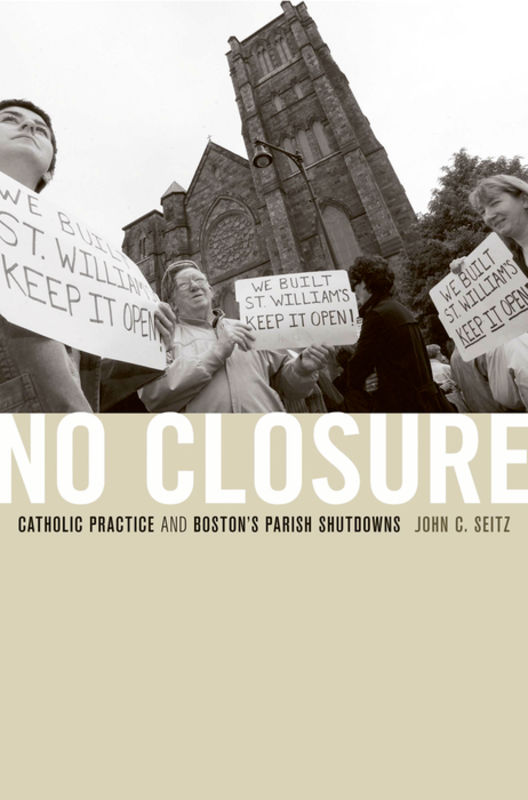
No Closure
In 2004 the Roman Catholic Archdiocese of Boston announced plans to close or merge more than eighty parish churches.Scores of Catholics--28,000, by the archdiocese's count--would be asked to leave their parishes.The closures came just two years after the first major revelations of clergy sexual abuse and its cover up.
eBook

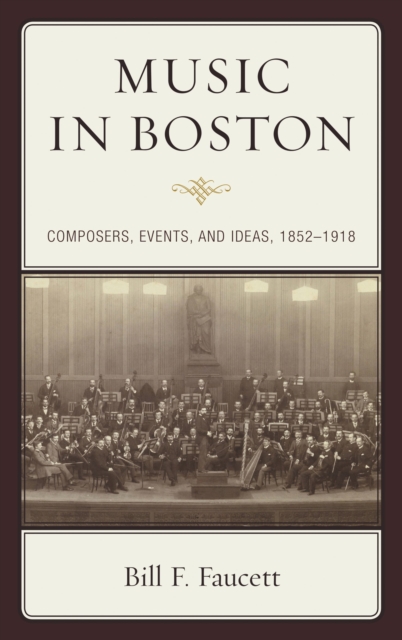
Music in boston
Music in Boston: Composers, Events, and Ideas, 1852-1918 is a history of the city's classical-music culture in the period that begins a decade before the American Civil War and extends to the close of the Great War.
eBook

The Boston Tea Party : angry colonists dump British tea
Describes the series of events which led up to the Boston Tea Party and explains how this act helped bring about the war for independence.
Book
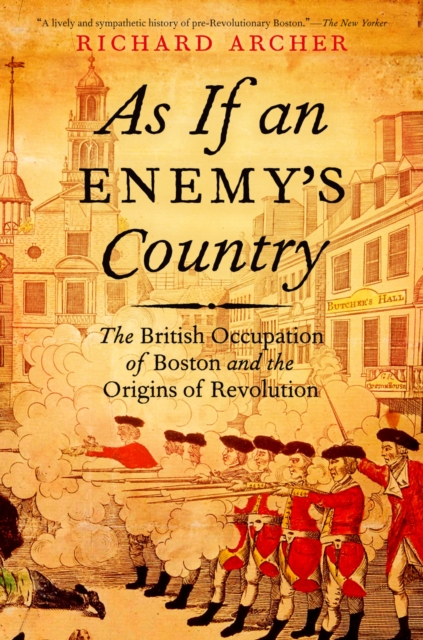
As if an enemy's country : the British occupation of Boston and the origins of revolution
\"A lively and sympathetic history of pre-Revolutionary Boston under British occupation.\" --The New YorkerA thrilling and original work of history, As If an Enemy's Country tells the riveting story of what made the Boston townspeople, and with them other colonists, turn toward revolution.
eBook