
Catalogue Search | MBRL


Are you sure you want to remove the book from the shelf?

{{itemTitle}}
1,336
result(s) for
"Botanik"
Sort by:

Linking canopy-scale mesophyll conductance and phloem sugar delta C-13 using empirical and modelling approaches
Interpreting phloem carbohydrate or xylem tissue carbon isotopic composition as measures of water-use efficiency or past tree productivity requires in-depth knowledge of the factors altering the isotopic composition within the pathway from ambient air to phloem contents and tree ring. One of least understood of these factors is mesophyll conductance (g(m)).We formulated a dynamic model describing the leaf photosynthetic pathway including seven alternative g(m) descriptions and a simple transport of sugars from foliage down the trunk. We parameterised the model for a boreal Scots pine stand and compared simulated g(m) responses with weather variations. We further compared the simulated delta C-13 of new photosynthates among the different g(m) descriptions and against measured phloem sugar delta C-13.Simulated g(m) estimates of the seven descriptions varied according to weather conditions, resulting in varying estimates of phloem delta C-13 during cold/moist and warm/dry periods. The model succeeded in predicting a drought response and a postdrought release in phloem sugar delta C-13 indicating suitability of the model for inverse prediction of leaf processes from phloem isotopic composition.We suggest short-interval phloem sampling during and after extreme weather conditions to distinguish between mesophyll conductance drivers for future model development.
Journal Article

Plant Hormonomics
Phytohormones are physiologically important small molecules that play essential roles in intricate signaling networks that regulate diverse processes in plants. We present a method for the simultaneous targeted profiling of 101 phytohormone-related analytes from minute amounts of fresh plant material (less than 20 mg). Rapid and nonselective extraction, fast one-step sample purification, and extremely sensitive ultra-high-performance liquid chromatography-tandem mass spectrometry enable concurrent quantification of the main phytohormone classes: cytokinins, auxins, brassinosteroids, gibberellins, jasmonates, salicylates, and abscisates. We validated this hormonomic approach in salt-stressed and control Arabidopsis (Arabidopsis thaliana) seedlings, quantifying a total of 43 endogenous compounds in both root and shoot samples. Subsequent multivariate statistical data processing and cross-validation with transcriptomic data highlighted the main hormone metabolites involved in plant adaptation to salt stress.
Journal Article
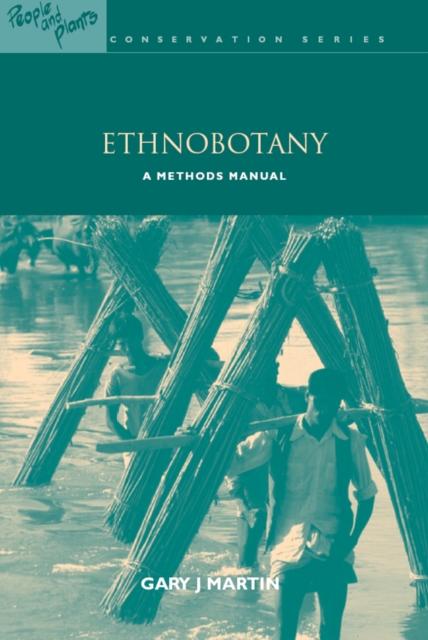
Ethnobotany
Ethnobotany, the study of the classification, use and management of plants by people, draws on a range of disciplines, including natural and social sciences, to show how conservation of plants and of local knowledge about them can be achieved. Ethnobotany is critical to the growing importance of developing new crops and products such as drugs from traditional plants.
This book is the basic introduction to the field, showing how botany, anthropology, ecology, economics and linguistics are all employed in the techniques and methods involved. It explains data collection and hypothesis testing and provides practical ideas on fieldwork ethics and the application of results to conservation and community development. Case studies illustrate the explanations, demonstrating the importance of collaboration in achieving results.
Published with WWF, UNESCO and Royal Botanic Gardens Kew.
eBook

PSB33 protein sustains Photosystem II in plant chloroplasts under UVA light
Plants can quickly and dynamically respond to spectral and intensity variations of the incident light. These responses include activation of developmental processes, morphological changes, and photosynthetic acclimation that ensure optimal energy conversion and minimal photoinhibition. Plant adaptation and acclimation to environmental changes have been extensively studied, but many details surrounding these processes remain elusive. The Photosystem II (PSII) associated protein PSB33 plays a fundamental role in sustaining PSII as well as in the regulation of the light antenna in fluctuating lights. We investigated how PSB33 knock-out plants perform under different light qualities. psb33 plants displayed 88% lower fresh weight compared to wild type plants when cultivated in the border of UVA-blue light. The sensitivity towards UVA light was associated with a lower abundance of PSII proteins, which reduces psb33 plants´ capacity for photosynthesis. The UVA phenotype was further found to be linked to altered phytohormone status and changed thylakoid ultrastructure. Our results collectively show that PSB33 is involved in a UVA light-mediated mechanism to maintain a functional PSII pool in the chloroplast.
Journal Article

CASP microdomain formation requires cross cell wall stabilization of domains and non-cell autonomous action of LOTR1
Efficient uptake of nutrients in both animal and plant cells requires tissue-spanning diffusion barriers separating inner tissues from the outer lumen/soil. However, we poorly understand how such contiguous three-dimensional superstructures are formed in plants. Here, we show that correct establishment of the plant Casparian Strip (CS) network relies on local neighbor communication. We show that positioning of Casparian Strip membrane domains (CSDs) is tightly coordinated between neighbors in wild-type and that restriction of domain formation involves the putative extracellular protease LOTR1. Impaired domain restriction in lotr1 leads to fully functional CSDs at ectopic positions, forming 'half strips'. LOTR1 action in the endodermis requires its expression in the stele. LOTR1 endodermal expression cannot complement, while cortex expression causes a dominant-negative phenotype. Our findings establish LOTR1 as a crucial player in CSD positioning acting in a directional, non-cell-autonomous manner to restrict and coordinate CS positioning.
Journal Article

The Collembola of Fennoscandia and Denmark, Part II: Entomobryomorpha and Symphypleona
This volume completes the survey of the ca. 400 species of springtails, which can be found in Finland, Sweden, Norway, Denmark, Iceland, the Faroes and the Arctic Islands and includes the sections Entomobryomorpha and Symphypleona. The first volume, published in 1998, covered Poduromorpha. Identification keys and full descriptions of the species are richly illustrated by line drawings. Photos are provided for some species displaying characteristic patterns of pigmentation. New diagnostic characters, including sensillary chaetotaxy and details of the mouth apparatus, are introduced.With the appearence of this book soil scientists and the interested amateur have now a modern tool to identify all species of Nordic springtails. In addition the habitat preferences and geographical distribuition are summarised. The book will be of general interest to everyone working on springtail identification.
eBook


Global plant trait relationships extend to the climatic extremes of the tundra biome
The majority of variation in six traits critical to the growth, survival and reproduction of plant species is thought to be organised along just two dimensions, corresponding to strategies of plant size and resource acquisition. However, it is unknown whether global plant trait relationships extend to climatic extremes, and if these interspecific relationships are confounded by trait variation within species. We test whether trait relationships extend to the cold extremes of life on Earth using the largest database of tundra plant traits yet compiled. We show that tundra plants demonstrate remarkably similar resource economic traits, but not size traits, compared to global distributions, and exhibit the same two dimensions of trait variation. Three quarters of trait variation occurs among species, mirroring global estimates of interspecific trait variation. Plant trait relationships are thus generalizable to the edge of global trait-space, informing prediction of plant community change in a warming world.
Journal Article

AusTraits, a curated plant trait database for the Australian flora
We introduce the AusTraits database - a compilation of values of plant traits for taxa in the Australian flora (hereafter AusTraits). AusTraits synthesises data on 448 traits across 28,640 taxa from field campaigns, published literature, taxonomic monographs, and individual taxon descriptions. Traits vary in scope from physiological measures of performance (e.g. photosynthetic gas exchange, water-use efficiency) to morphological attributes (e.g. leaf area, seed mass, plant height) which link to aspects of ecological variation. AusTraits contains curated and harmonised individual- and species-level measurements coupled to, where available, contextual information on site properties and experimental conditions. This article provides information on version 3.0.2 of AusTraits which contains data for 997,808 trait-by-taxon combinations. We envision AusTraits as an ongoing collaborative initiative for easily archiving and sharing trait data, which also provides a template for other national or regional initiatives globally to fill persistent gaps in trait knowledge.
Measurement(s)
plant trait
Technology Type(s)
digital curation
Sample Characteristic - Organism
Viridiplantae
Sample Characteristic - Location
Australia
Machine-accessible metadata file describing the reported data:
https://doi.org/10.6084/m9.figshare.14545755
Journal Article
The Impacts of Phosphorus Deficiency on the Photosynthetic Electron Transport Chain
Phosphorus (P) is an essential macronutrient, and P deficiency limits plant productivity. Recent work showed that P deficiency affects electron transport to photosystem I (PSI), but the underlying mechanisms are unknown. Here, we present a comprehensive biological model describing how P deficiency disrupts the photosynthetic machinery and the electron transport chain through a series of sequential events in barley (Hordeum vulgare). P deficiency reduces the orthophosphate concentration in the chloroplast stroma to levels that inhibit ATP synthase activity. Consequently, protons accumulate in the thylakoids and cause lumen acidification, which inhibits linear electron flow. Limited plastoquinol oxidation retards electron transport to the cytochrome b₆f complex, yet the electron transfer rate of PSI is increased under steady-state growth light and is limited under high-light conditions. Under P deficiency, the enhanced electron flow through PSI increases the levels of NADPH, whereas ATP production remains restricted and, hence, reduces CO₂ fixation. In parallel, lumen acidification activates the energy-dependent quenching component of the nonphotochemical quenching mechanism and prevents the overexcitation of photosystem II and damage to the leaf tissue. Consequently, plants can be severely affected by P deficiency for weeks without displaying any visual leaf symptoms. All of the processes in the photosynthetic machinery influenced by P deficiency appear to be fully reversible and can be restored in less than 60 min after resupply of orthophosphate to the leaf tissue.
Journal Article