
Catalogue Search | MBRL


Are you sure you want to remove the book from the shelf?

{{itemTitle}}
39,617
result(s) for
"Brain Growth"
Sort by:
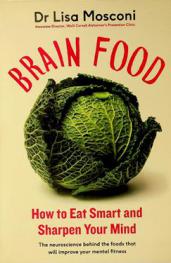
Brain food : the surprising science of eating for cognitive power
\"How to eat for maximum brain power and health from an expert in both neuroscience and nutrition. Like our bodies, our brains have very specific food requirements. And in this eye-opening book from an author who is both a neuroscientist and a certified integrative nutritionist, we learn what should be on our menu. Dr. Lisa Mosconi, whose research spans an extraordinary range of specialties including brain science, the microbiome, and nutritional genomics, notes that the dietary needs of the brain are substantially different from those of the other organs, yet few of us have any idea what they might be. Her innovative approach to cognitive health incorporates concepts that most doctors have yet to learn. Busting through advice based on pseudoscience, Dr. Mosconi provides recommendations for a complete food plan, while calling out noteworthy surprises, including why that paleo diet you are following may not be ideal, why avoiding gluten may be a terrible mistake, and how simply getting enough water can dramatically improve alertness. Including comprehensive lists of what to eat and what to avoid, a detailed quiz that will tell you where you are on the brain health spectrum, and 24 mouth-watering brain-boosting recipes that grow out of Dr. Mosconi's own childhood in Italy, Brain Food gives us the ultimate plan for a healthy brain. Brain Food will appeal to anyone looking to improve memory, prevent cognitive decline, eliminate brain fog, lift depression, or just sharpen their edge\"-- Provided by publisher.
Book

Neurodevelopmental outcome at 2 years of age after general anaesthesia and awake-regional anaesthesia in infancy (GAS): an international multicentre, randomised controlled trial
Preclinical data suggest that general anaesthetics affect brain development. There is mixed evidence from cohort studies that young children exposed to anaesthesia can have an increased risk of poor neurodevelopmental outcome. We aimed to establish whether general anaesthesia in infancy has any effect on neurodevelopmental outcome. Here we report the secondary outcome of neurodevelopmental outcome at 2 years of age in the General Anaesthesia compared to Spinal anaesthesia (GAS) trial.
In this international assessor-masked randomised controlled equivalence trial, we recruited infants younger than 60 weeks postmenstrual age, born at greater than 26 weeks' gestation, and who had inguinal herniorrhaphy, from 28 hospitals in Australia, Italy, the USA, the UK, Canada, the Netherlands, and New Zealand. Infants were randomly assigned (1:1) to receive either awake-regional anaesthesia or sevoflurane-based general anaesthesia. Web-based randomisation was done in blocks of two or four and stratified by site and gestational age at birth. Infants were excluded if they had existing risk factors for neurological injury. The primary outcome of the trial will be the Wechsler Preschool and Primary Scale of Intelligence Third Edition (WPPSI-III) Full Scale Intelligence Quotient score at age 5 years. The secondary outcome, reported here, is the composite cognitive score of the Bayley Scales of Infant and Toddler Development III, assessed at 2 years. The analysis was as per protocol adjusted for gestational age at birth. A difference in means of five points (1/3 SD) was predefined as the clinical equivalence margin. This trial is registered with ANZCTR, number ACTRN12606000441516 and ClinicalTrials.gov, number NCT00756600.
Between Feb 9, 2007, and Jan 31, 2013, 363 infants were randomly assigned to receive awake-regional anaesthesia and 359 to general anaesthesia. Outcome data were available for 238 children in the awake-regional group and 294 in the general anaesthesia group. In the as-per-protocol analysis, the cognitive composite score (mean [SD]) was 98·6 (14·2) in the awake-regional group and 98·2 (14·7) in the general anaesthesia group. There was equivalence in mean between groups (awake-regional minus general anaesthesia 0·169, 95% CI −2·30 to 2·64). The median duration of anaesthesia in the general anaesthesia group was 54 min.
For this secondary outcome, we found no evidence that just less than 1 h of sevoflurane anaesthesia in infancy increases the risk of adverse neurodevelopmental outcome at 2 years of age compared with awake-regional anaesthesia.
Australia National Health and Medical Research Council (NHMRC), Health Technologies Assessment-National Institute for Health Research UK, National Institutes of Health, Food and Drug Administration, Australian and New Zealand College of Anaesthetists, Murdoch Childrens Research Institute, Canadian Institute of Health Research, Canadian Anesthesiologists' Society, Pfizer Canada, Italian Ministry of Heath, Fonds NutsOhra, and UK Clinical Research Network (UKCRN).
Journal Article


The ketogenic diet for the treatment of childhood epilepsy: a randomised controlled trial
The ketogenic diet has been widely and successfully used to treat children with drug-resistant epilepsy since the 1920s. The aim of this study was to test the efficacy of the ketogenic diet in a randomised controlled trial.
145 children aged between 2 and 16 years who had at least daily seizures (or more than seven seizures per week), had failed to respond to at least two antiepileptic drugs, and had not been treated previously with the ketogenic diet participated in a randomised controlled trial of its efficacy to control seizures. Enrolment for the trial ran between December, 2001, and July, 2006. Children were seen at one of two hospital centres or a residential centre for young people with epilepsy. Children were randomly assigned to receive a ketogenic diet, either immediately or after a 3-month delay, with no other changes to treatment (control group). Neither the family nor investigators were blinded to the group assignment. Early withdrawals were recorded, and seizure frequency on the diet was assessed after 3 months and compared with that of the controls. The primary endpoint was a reduction in seizures; analysis was intention to treat. Tolerability of the diet was assessed by questionnaire at 3 months. The trial is registered with
ClinicalTrials.gov, number
NCT00564915.
73 children were assigned to the ketogenic diet and 72 children to the control group. Data from 103 children were available for analysis: 54 on the ketogenic diet and 49 controls. Of those who did not complete the trial, 16 children did not receive their intervention, 16 did not provide adequate data, and ten withdrew from the treatment before the 3-month review, six because of intolerance. After 3 months, the mean percentage of baseline seizures was significantly lower in the diet group than in the controls (62·0%
vs 136·9%, 75% decrease, 95% CI 42.4–107.4%; p<0·0001). 28 children (38%) in the diet group had greater than 50% seizure reduction compared with four (6%) controls (p<0·0001), and five children (7%) in the diet group had greater than 90% seizure reduction compared with no controls (p=0·0582). There was no significant difference in the efficacy of the treatment between symptomatic generalised or symptomatic focal syndromes. The most frequent side-effects reported at 3-month review were constipation, vomiting, lack of energy, and hunger.
The results from this trial of the ketogenic diet support its use in children with treatment-intractable epilepsy.
HSA Charitable Trust; Smiths Charity; Scientific Hospital Supplies; Milk Development Council.
Journal Article


Controlled Antenatal Thyroid Screening Study III: Effects of Gestational Thyroid Status on Adolescent Brain Morphology
Abstract
Context
Children born to mothers with gestational hypothyroidism or hyperthyroidism may have increased risk of adverse neurodevelopmental outcomes. However, the effects of maternal thyroid status on offspring brain development are unclear.
Objective
This work aimed to establish whether adolescent brain morphology is affected by suboptimal gestational thyroid function (SGTF).
Methods
The Controlled Antenatal Thyroid Screening (CATS) study randomly assigned mothers with SGTF to levothyroxine or no supplementation from approximately 12 weeks’ gestation. At age 9, children born to mothers who were overtreated with levothyroxine had a higher risk of conduct and hyperactivity traits. For the current CATS III study, children underwent neuroimaging studies, including T1-weighted structural magnetic resonance imaging (MRI). A total of 85 children aged 11 to 16 years had usable T1-weighted MRI data (exposed to untreated SGTF [n = 21], normal GTF [n = 24], or treated SGTF [optimally treated (n = 21), overtreated (n = 20)]). The primary outcome was to examine the association of SGTF and its treatment with global brain volumes. Secondary and exploratory outcomes were to investigate the association of maternal thyrotropin (TSH) and free thyroxine (FT4) levels with global and subregional brain volumes. Results were adjusted for age, sex, and pubertal scores.
Results
There were no significant differences in global brain volumetric measures between groups, including total gray matter volume (P = .373). Weak positive correlations were found between maternal TSH, but not FT4, levels and several brain volumes, but these did not survive testing for multiple comparisons.
Conclusion
We found no evidence that SGTF was associated with differences in adolescent brain morphology, and no effect of levothyroxine supplementation.
Journal Article

Welcome to your child's brain : how the mind grows from conception to college
\"How children think is one of the most enduring mysteries--and difficulties--of parenthood. The marketplace is full of gadgets and tools that claim to make your child smarter, happier, or learn languages faster, all built on the premise that manufacturers know something about your child's brain that you don't. These products are easy to sell, because good information about how children's minds really work is hard to come by. In their new book, neuroscientists Sandra Aamodt and Sam Wang separate fact from fiction about the inner workings of young minds. Martialing results from new studies and classic research, Aamodt and Wang provide the most complete answers out there on this subject. It liberates readers from superstitions and speculation, such as Freud's idea that all relationships are modeled on one's mother, or that it's not safe to eat sushi while pregnant. And it will reveal new truths about everything from how to make your baby sleep, to why we love to snuggle, to how children learn, forget, play, talk, walk, and feel. Welcome to Your Child's Brain is eye-opening and necessary, soon to become a staple for parents and children alike\"-- Provided by publisher.
Book

Dolphin CONTINUE: a multi-center randomized controlled trial to assess the effect of a nutritional intervention on brain development and long-term outcome in infants born before 30 weeks of gestation
Background
Preterm born infants are at risk for brain injury and subsequent developmental delay. Treatment options are limited, but optimizing postnatal nutrition may improve brain- and neurodevelopment in these infants. In pre-clinical animal models, combined supplementation of docosahexaenoic acid (DHA), choline, and uridine-5-monophosphate (UMP) have shown to support neuronal membrane formation. In two randomized controlled pilot trials, supplementation with the investigational product was associated with clinically meaningful improvements in cognitive, attention, and language scores. The present study aims to assess the effect of a similar nutritional intervention on brain development and subsequent neurodevelopmental outcome in infants born very and extremely preterm.
Methods
This is a randomized, placebo-controlled, double-blinded, parallel-group, multi-center trial. A total of 130 infants, born at less than 30 weeks of gestation, will be randomized to receive a test or control product between term-equivalent age and 12 months corrected age (CA). The test product is a nutrient blend containing DHA, choline, and UMP amongst others. The control product contains only fractions of the active components. Both products are isocaloric powder supplements which can be added to milk and solid feeds. The primary outcome parameter is white matter integrity at three months CA, assessed using diffusion-tensor imaging (DTI) on MRI scanning. Secondary outcome parameters include volumetric brain development, cortical thickness, cortical folding, the metabolic and biochemical status of the brain, and product safety. Additionally, language, cognitive, motor, and behavioral development will be assessed at 12 and 24 months CA, using the Bayley Scales of Infant Development III and digital questionnaires (Dutch version of the Communicative Development Inventories (N-CDI), Ages and Stages Questionnaire 4 (ASQ-4), and Parent Report of Children’s Abilities – Revised (PARCA-R)).
Discussion
The investigated nutritional intervention is hypothesized to promote brain development and subsequent neurodevelopmental outcome in preterm born infants who have an inherent risk of developmental delay. Moreover, this innovative study may give rise to new treatment possibilities and improvements in routine clinical care.
Trial registration
WHO International Clinical Trials Registry: NL-OMON56181 (registration assigned October 28, 2021).
Journal Article

Your changing brain : a guidebook
\"The first few years of life were thought to be the most important in brain development. With the aid of modern brain-imaging technologies, we now know the brain undergoes a substantial remodeling process during adolescence. This insightful title is designed to empower readers as they learn how areas of the brain related to decision-making, planning and goal setting, impulse control, and social interactions are affected by this process of change. They will also discover that personal choices, experiences, and environment play a pivotal role in adolescent brain development. Strategies help readers build emotional intelligence, manage stress, and adopt a proactive, mindful approach to minimize vulnerabilities and maximize their potential for positive personal development during adolescence.\"-- Provided by publisher.
Book

Transcriptomic profile of adverse neurodevelopmental outcomes after neonatal encephalopathy
A rapid and early diagnostic test to identify the encephalopathic babies at risk of adverse outcome may accelerate the development of neuroprotectants. We examined if a whole blood transcriptomic signature measured soon after birth, predicts adverse neurodevelopmental outcome eighteen months after neonatal encephalopathy. We performed next generation sequencing on whole blood ribonucleic acid obtained within six hours of birth from the first 47 encephalopathic babies recruited to the Hypothermia for Encephalopathy in Low and middle-income countries (HELIX) trial. Two infants with blood culture positive sepsis were excluded, and the data from remaining 45 were analysed. A total of 855 genes were significantly differentially expressed between the good and adverse outcome groups, of which
RGS1
and
SMC4
were the most significant. Biological pathway analysis adjusted for gender, trial randomisation allocation (cooling therapy versus usual care) and estimated blood leukocyte proportions revealed over-representation of genes from pathways related to melatonin and polo-like kinase in babies with adverse outcome. These preliminary data suggest that transcriptomic profiling may be a promising tool for rapid risk stratification in neonatal encephalopathy. It may provide insights into biological mechanisms and identify novel therapeutic targets for neuroprotection.
Journal Article