
Catalogue Search | MBRL


Are you sure you want to remove the book from the shelf?

{{itemTitle}}
1,678
result(s) for
"Bresson, Robert"
Sort by:


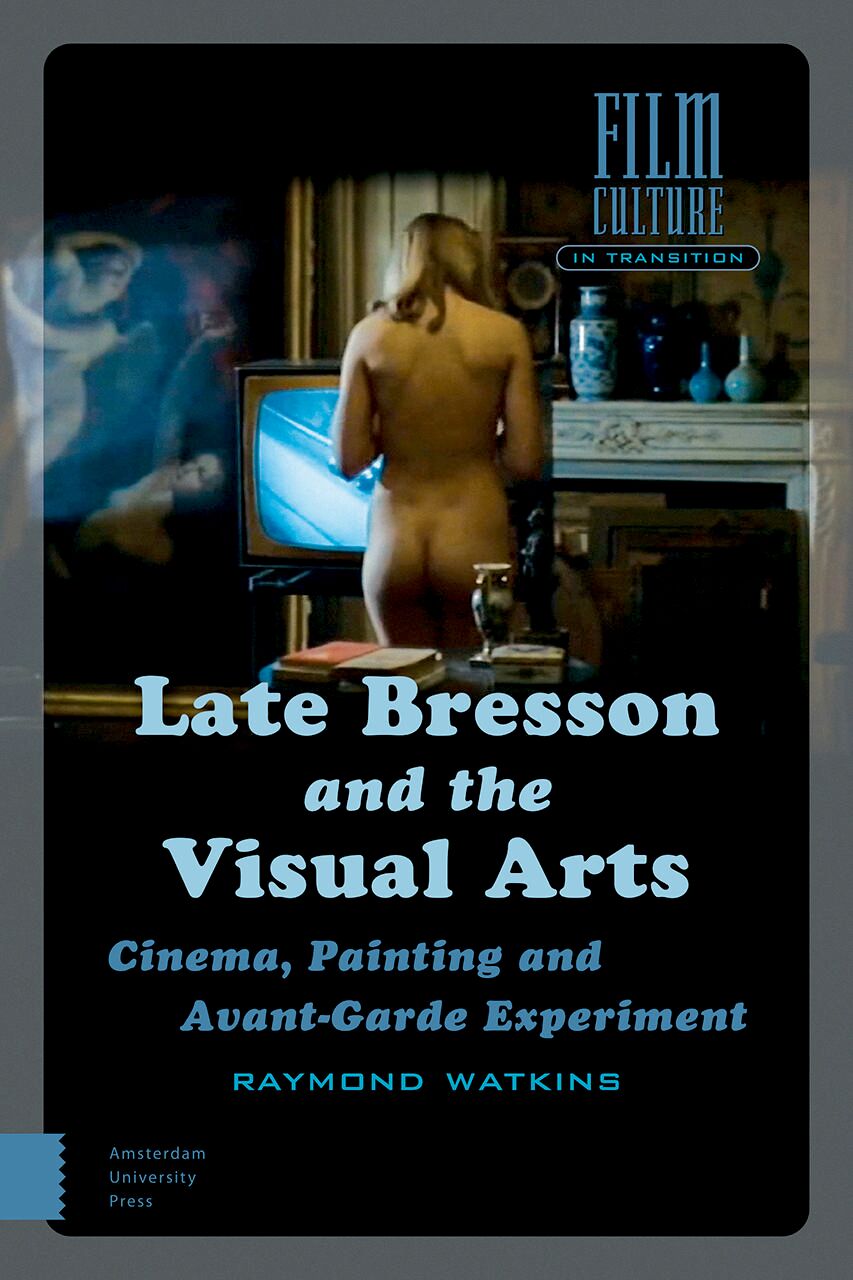
Late Bresson and the Visual Arts
Critics have largely neglected the color films of French film director Robert Bresson (1901-99). To correct that oversight, this study presents a revised and revitalized Bresson, comparing his style to innovations in abstract painting after World War II, exploring his affinities with such avant-garde traditions as surrealism, constructivism, and minimalism, and illustrating how his embodied style leads to a complex form of intermediality. Through that analysis, Raymond Watkins shows clearly that Bresson still has a good deal to teach us about cinema's distinctive ability to draw on painting, photography, sculpture, and the plastic arts in general.
eBook
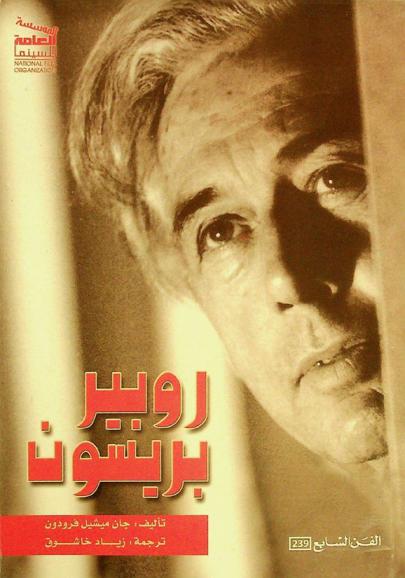
روبير بريسون
الكتاب يستعرض مسيرة بريسون السينمائية، بدءا من بداياته كمصور فوتوغرافي وصولا إلى إنتاجه لأفلامه الشهيرة مثل \"يوميات كاهن الريف\" و\"رجل هارب\"، كما يتناول الكتاب تأثيرات بريسون الفنية والدينية وتجربته كأسير حرب خلال الحرب العالمية الثانية، وكيف انعكست هذه التجارب على أعماله السينمائية، يعتبر الكتاب مرجعا مهما لفهم فلسفة بريسون في صناعة الأفلام، حيث يركز على البساطة والعمق في السرد السينمائي، ويقدم تحليلا دقيقا لأفلامه وأسلوبه الفريد في الإخراج.
Book

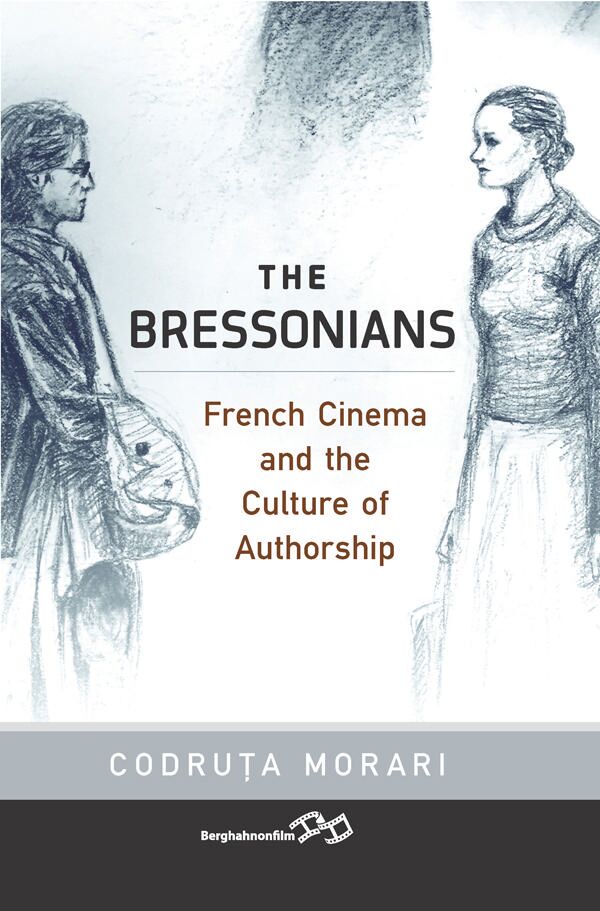
The Bressonians
How should we understand film authorship in an era when the idea of the solitary and sovereign auteur has come under attack, with critics proclaiming the death of the author and the end of cinema? The Bressonians provides an answer in the form of a strikingly original study of Bresson and his influence on the work of filmmakers Jean Eustache and Maurice Pialat. Extending the discourse of authorship beyond the idea of a singular visionary, it explores how the imperatives of excellence function within cinema's pluralistic community. Bresson's example offered both an artistic legacy and a creative burden within which filmmakers reckoned in different, often arduous, and altogether compelling ways.
eBook


Rhythms of Images and Sounds in Two Films by Robert Bresson
Robert Bresson did not only distribute musical excerpts and sounds in his films, but also often conceived the whole film running in a general rhythm, including the repetition and variation of shots in their contents and length. David Bordwell (1985) considered Bresson’s films as examples of the style centred “parametric mode of narration.” More than that, after Jean-Louis Provoyeur (2003), we consider that many shots in Bresson’s films have a characteristic of “denarrativization,” a conception based on musicality, devoid of representational constraints. One example is the tournament sequence in Lancelot of the Lake (Bresson, 1974), in which visual and sound elements are repeated as a “cell” with variations in length, angle of shot and with addition or suppression of elements. The author also analyses some aspects of The Trial of Joan of Arc (1962), in which the rhythmic sensation is created by the procedure of repetitive alternation of image, speech and space.1
Journal Article

Transcendental style in film : Ozu, Bresson, Dreyer
\"With a new introduction, acclaimed director Paul Schrader revisits and updates his study and contemplation of slow cinema of the past fifty years. This seminal text analyzes the film style of three great directors--Yasujiro Ozu, Robert Bresson, Carl Dreyer--and posits a common dramatic language by these artists from divergent cultures. Unlike the style of psychological realism, which dominates film, the transcendental style expresses a spiritual state with austere camerawork, acting devoid of self-consciousness, and editing that avoids editorial comment. This important book is an original contribution to film analysis and a key work by one of our most searching directors and writers. Transcendental Style in Film has been widely cited and used in film and art classes. This edition updates Schrader's theoretical framework and provides a stimulating counter-history to the last half century of global art cinema, extending his theory to the works of Andrei Tarkovsky (Russia), Béla Tarr (Hungary), Theo Angelopoulos (Greece), and Nuri Bilge Ceylan (Turkey) among others. With evocative prose and nimble associations, Schrader consistently urges readers and viewers alike to keep exploring the world of the art film\"--Provided by publisher.
BOOK

Bresson \avant la lettre\, albo stylistyczne ćwiczenie na piątkę: \Sprawy państwowe\
Sprawy państwowe (Affaires publiques, 1934), debiutancki film Roberta Bressona, długo uchodził za zaginiony. Odnaleziony w Cinémathèque Française w roku 1987, okazał się sporą niespodzianką, która ukazała Bressona jako reżysera niczym nie przypominającego rozsławionego przez Paula Schradera twórcy „stylu transcendentalnego”. W swym artykule Kłys przywołuje genezę i produkcyjne konteksty filmu, odsłonięte przez Colina Burnetta w książce The Invention of Robert Bresson: The Auteur and His Market, a w analizie fabuły i rozwiązań formalnych odsłania Bressonowskie inspiracje: absurd rodem z surrealistycznej i dadaistycznej awangardy, poetycko-fantastyczny komizm wczesnych filmów René Claira, amerykańską burleskę i anarchizm Jeana Vigo. Istotnym aspektem filmu, powstałego tuż po przełomie dźwiękowym w kinie, jest dokonana z zastosowaniem wyrafinowanych gagów „dekonstrukcja” relacji między obrazem, dźwiękiem i faktycznym źródłem dźwięku.
Journal Article