
Catalogue Search | MBRL


Are you sure you want to remove the book from the shelf?

{{itemTitle}}
3,930
result(s) for
"Brook, Peter"
Sort by:
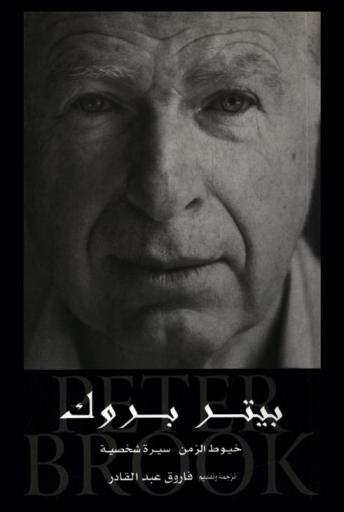
خيوط الزمن : سيرة شخصية
يسرد بيتر بروك سيرته الابداعية منذ اهم محطاتها الاولى كاشفا عن اهم انبهاراته التي قادته الى عالم الاخراج المسرحي والسينمائي على حد سواء، فعبارة (ممنوع الدخول) الذي كان يراها مرفوعة على بعض الابواب والشوارع وغيرها تثيره جدا وتستفز فيه حب الفضول وهو لما يزل طفلا، فلماذا منع الدخول فيقول \"كنت اطور خيالات جامحة حول هذه المداخل مقتنعا بانها لابد تخفي متاهات غامضة تؤدي الى عالم تحت المدينة وقد تمنيت طويلا ان ارفع مزاليج هذه الابواب الحديدية الممنوعة وانفذ من خلالها\" كان يوقن ان ثمة عالما اخرا يربض خلف هذه الابواب، عالم ثان مليء بالدهشة وغني بالاسطورة ويؤدي الى عوالم اخرى جديدة.
Book

Peter Brook
Peter Brook is known internationally as a theatre visionary, and a daring experimenter on the cutting-edge of performance and production. This book concentrates on Brook's early years, and his innovative achievements in opera, television, film, and the theatre. His productions are viewed separately, in chronological order, suggesting Brook's developing and changing interests. The authors include thought-provoking interviews with Brook (and with numerous outstanding artists who have worked with him) and bring to the reader penetrating critiques of Brook's theories and practices as a man of the theatre.
eBook
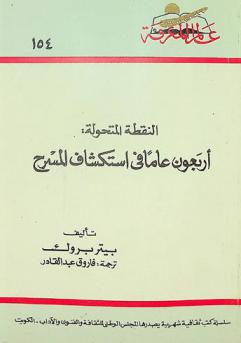
النقطة المتحولة : أربعون عاما في استكشاف المسرح
يقدم المؤلف (بيتر بروك) أشهر فناني المسرح في الغرب المعاصر في هذا الكتاب خبرته بهذا الفن لأكثر من أربعين سنة. وبالإضافة لعروض المسرح التي قدمها أو شارك في إعدادها، يحدثنا عن تجربته في إخراج \"الأوبرا\" وأفلام السينما، كما يحدثنا عن عدد هائل من الفنانين الذين عرفهم وعمل معهم. وفي 1970 م، أسس بروك \"المركز الدولي لأبحاث المسرح\" في باريس، وكون فريقا من الممثلين من جنسيات مختلفة وأطر ثقافية منوعة، وكان معهم عل ارتحال دائم، يرتجلون ويقدمون عروضهم في قلب إفريقيا وأطراف أستراليا وأماكن عديدة في أوروبا وآسيا وأمريكا. عن هذه التجربة الإنسانية والفنية الخصبة تمت عروض متألقة ومثيرة للجدل في المسرح المعاصر، لعل آخرها وأهمها عرض \"المهابهاراتا\" -عن الملحمة الهندية العظيمة- في 1987 م.
Book

Systems of Rehearsal
The gap between theory and practice in rehearsal is wide. many actors and directors apply theories without fully understanding them, and most accounts of rehearsal techniques fail to put the methods in context. Systems of Rehearsal is the first systematic appraisal of the three principal paradigms in which virtually all theatre work is conducted today - those developed by Stanislavsky, Brecht and Grotowski. The author compares each system ot the work of the contemporary director who, says Mitter, is the Great Imitator of each of them: Peter Brook. The result is the most comprehensive introduction to modern theatre available.
eBook
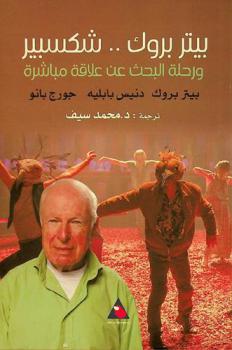
بيتر بروك .. شكسبير ورحلة البحث عن علاقة مباشرة
قدم بروك خلال تجربة متواصلة منذ ستة عقود، 15 عملا من نصوص شكسبير، وكشف عمله على هذه النصوص عن كيف يمكن إن تؤثر تقنية العمل بشكل أساسي على تلقي النص، من حيث الصوت والأداء، فعند بروك الاستعارات الصوتية ذات أهمية، حيث كان مشغولا دائما هو إعطاء الوزن للبعد الموسيقي للنصوص الدرامية. الكتاب يستكشف هذه العلاقة المباشرة التي ظل بروك يفتش عنها مع شكسبير، فحاول المخرج المعاصر أن يبني علاقة مع نصوص الكاتب الذي عاش في القرن السابع عشر، متأثرا بشكل مباشر بمقاربات مسرح القسوة لأنطونين أرتو.
Book

Drawing the Curtain
Miguel de Cervantes’s experimentation with theatricality is frequently tied to the notion of revelation and disclosure of hidden truths. Drawing the Curtain showcases the elements of theatricality that characterize Cervantes’s prose and analyses the ways in which he uses theatricality in his own literary production.
Bringing together the works of well-known scholars, who draw from a variety of disciplines and theoretical approaches, this collection demonstrates how Cervantes exploits revelation and disclosure to create dynamic dramatic moments that surprise and engage observers and readers. Hewing closely to Peter Brook’s notion of the bare or empty stage, Esther Fernández and Adrienne L. Martín argue that Cervantes’s omnipresent concern with theatricality manifests not only in his drama but also in the myriad metatheatrical instances dispersed throughout his prose works. In doing so, Drawing the Curtain sheds light on the ways in which Cervantes forces his readers to engage with themes that are central to his life and works, including love, freedom, truth, confinement, and otherness.
eBook

Illusions of Permanence/Honoring a Fallen Director
Aside from his being a personal hero of mine, his thought and artistry remain groundbreaking, so much of it envisioned in the four conceptual corners of his book The Empty Space [Deadly, Holy, Rough and Immediate], his intercultural experimentations, ranging from his Orghast at Persepolis to his whimsical take on A Midsummer Nights Dream, from his Marat/Sade (whose images are etched indelibly in my brain) to his mind-blowing staging of The Mahabarata-and more. Cell phones have encouraged isolation and emphasis only on exteriors, a lack of empathy and sharing, every person only for themselves. Written when America was just entering World War II on the heels of the Great Depression, Wilder's play acknowledges disasters as a recuring historical norm, acknowledges their devastation, yet still sees optimism and progress as organic to this larger process. Leslie Broder provides a compelling study of the musical Come From Away which recounts actual events immediately following the horror of 9/11 where a small Canadian community provided solace; Amanda Dawson considers Tom Cole's play Medal of Honor Rag which tell the real life story of a Black Viet Nam War veteran who was gunned down senselessly after returning to the States; Kristin Leahey writes of how director and adaptor Erica Schmidt wove together pointless murder among a group of teenage girls with Shakespeare's Macbeth.
Journal Article

Great directors at work
“Jones argues that no theater history can be complete without carefuyl analysis of directorial achievement. Great Directors at Work is a study of four ground-breaking productions as created by four seminal theater figures.”—New York Times Book Review
eBook

BROOK, LEAR, AND THE MODIFIED \VERFREMDUNG\
[...] it is Brecht to whose influence many of the formal devices employed in the stage production and the film are attributed. [...] elements of these works as the Stratford bare platform, the hard light with which it was iUuminated, as well as the film's meta-aspect, are habitually seen as a legacy of The Berliner Ensemble's artistic director.
Journal Article

Consuming the Royal Body: Stillness, Scopophilia, and Aura in Lear and Macbeth on Screen
Drawing on Hilary Mantel's evocation of the frozen body of the monarch as an object to be gazed upon and consumed, this article revisits three cinematic Shakespearean films in order to demonstrate the ways in which kings are made abject. By applying Laura Mulvey's language of scopophilia to instances in Ran (Kurosawa, 1985), King Lear (Brook, 1971), and Macbeth (Kurzel, 2015) where kings are framed as still, this article sees royal bodies at the mercy of the camera. In their stillness and fragmentation, especially at moments of trauma, these bodies both draw the gaze of the camera while at the same time being subject to exploitation by it. Further, by applying an ecocritical framework, this article argues that these bodies are consumed both by and along with the landscape as well as the camera, aligning the fate of the abject king with the fate of the land they inhabit, if not rule. Through reframing the relationship between Shakespearean screen monarchs, the filmed environment, and the camera as one of hungry scrutiny, the article concludes that the power relationships of Shakespearean tragedy are open to subversion.
Journal Article