
Catalogue Search | MBRL


Are you sure you want to remove the book from the shelf?

{{itemTitle}}
3,257
result(s) for
"CELLULE"
Sort by:

Cancer
This book presents in lucid and concise terms the main facts known today about cancer. It is directed to laymen filling to make a modest effort to understand the biology of cells, and to many doctors and scientists who do not specialize in the study of cancer. The author combines a scientific and humanistic approach to the subject in an effort to temper the cold facts of science with personal concern for patients and their families. Cancer: The Wayward Cell answers, insofar as possible, the questions most often asked about cancer. It is divided into four major parts (1) the biology of the cell, including a discussion of normal and abnormal growth; (2) the history, ecology, and environmental origins of cancer; (3) current methods of treatment of cancer; and (4) the psychological and social problems relevant to this perplexing disorder. Throughout the book new attempts to apply research advances to the problem of cancer are analyzed, with particular emphasis on prevention, control, and treatment. This title is part of UC Press's Voices Revived program, which commemorates University of California Press's mission to seek out and cultivate the brightest minds and give them voice, reach, and impact. Drawing on a backlist dating to 1893, Voices Revived makes high-quality, peer-reviewed scholarship accessible once again using print-on-demand technology. This title was originally published in 1972. Many titles in the Voices Revived program are also newly available as ebooks, offered at a discounted price to support wider access to scholarly work.
eBook

Autoantibodies against GPIHBP1 as a cause of hypertriglyceridemia
A protein that is expressed on capillary endothelial cells, called GPIHBP1 (glycosylphosphatidylinositol- anchored high-density lipoprotein binding protein 1), binds lipoprotein lipase and shuttles it to its site of action in the capillary lumen. A deficiency in GPIHBP1 prevents lipoprotein lipase from reaching the capillary lumen. Patients with GPIHBP1 deficiency have low plasma levels of lipoprotein lipase, impaired intravascular hydrolysis of triglycerides, and severe hypertriglyceridemia (chylomicronemia). During the characterization of a monoclonal antibody- based immunoassay for GPIHBP1, we encountered two plasma samples (both from patients with chylomicronemia) that contained an interfering substance that made it impossible to measure GPIHBP1. That finding raised the possibility that those samples might contain GPIHBP1 autoantibodies.METHODS Using a combination of immunoassays, Western blot analyses, and immunocytochemical studies, we tested the two plasma samples (as well as samples from other patients with chylomicronemia) for the presence of GPIHBP1 autoantibodies. We also tested the ability of GPIHBP1 autoantibodies to block the binding of lipoprotein lipase to GPIHBP1.RESULTSWe identified GPIHBP1 autoantibodies in six patients with chylomicronemia and found that these autoantibodies blocked the binding of lipoprotein lipase to GPIHBP1. As in patients with GPIHBP1 deficiency, those with GPIHBP1 autoantibodies had low plasma levels of lipoprotein lipase. Three of the six patients had systemic lupus erythematosus. One of these patients who had GPIHBP1 autoantibodies delivered a baby with plasma containing maternal GPIHBP1 autoantibodies; the infant had severe but transient chylomicronemia. Two of the patients with chylomicronemia and GPIHBP1 autoantibodies had a response to treatment with immunosuppressive agents.CONCLUSIONSIn six patients with chylomicronemia, GPIHBP1 autoantibodies blocked the ability of GPIHBP1 to bind and transport lipoprotein lipase, thereby interfering with lipoprotein lipase-mediated processing of triglyceride-rich lipoproteins and causing severe hypertriglyceridemia.
Journal Article

Diarylethene Molecular Photoswitches
A comprehensive review to the synthesis, properties, and applications of diarylethene-based molecular photoswitches Diarylethene Molecular Photoswitches: Concept and Functionalities provides the fundamental concepts of molecular photoswitches and includes information on how the bistable photoswitches of diarylethenes modulate the functions of.
eBook
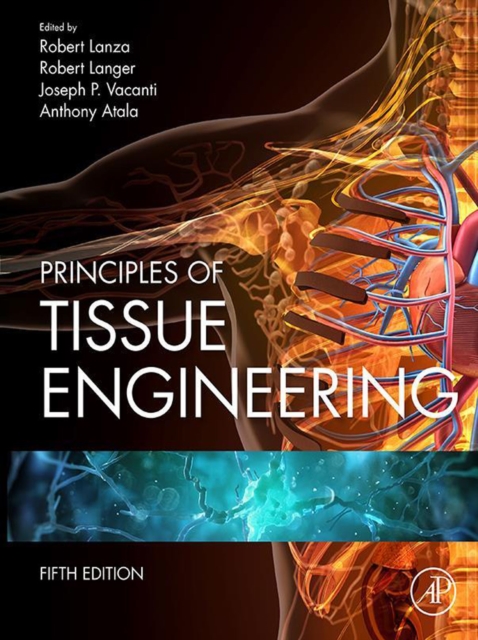
Principles of tissue engineering
Now in its fifth edition, Principles of Tissue Engineering has been the definite resource in the field of tissue engineering for more than a decade.The fifth edition provides an update on this rapidly progressing field, combining the prerequisites for a general understanding of tissue growth and development, the tools and theoretical information.
eBook
Stem Cells in Clinical Application and Productization
Stem cells with self-renewal and multi-lineage differentiation potential have potential for developing medicines for a range of refractory and recurrent disease. This book mainly focuses on the landscape of the biological properties and translational research of stem cells types, including hematopoietic stem cells (HSCs), neural stem cells (NSCs) and mesenchymal stem/stromal cells (MSCs). The book also introduces readers to the current updates and development prospects of stem cells in singular or combination therapies with advanced biomaterials and technological innovations towards large-scale standardization and productization. Key Features: - Introduces readers to stem cell biology and tissue engineering - Covers innovations in stem cell therapy and biomaterials - Includes a brief guide to commercialization of stem cell technology - Includes references for advanced readers The contents will strengthen the reader's understanding of stem cell-based therapies. This book is a primer on stem cell and regenerative medicine for a wide readership including, students, healthcare professionals, researchers and general readers. Readership Students, healthcare professionals, researchers and general readers.
eBook

Corrigendum: Schwannome bénin du nerf grand sciatique, à propos de 2 cas
[This corrects the article DOI: 10.11604/pamj.2014.18.252.4684.].
Journal Article

Three-dimensional culture of chicken primordial germ cells (cPGCs) in defined media containing the functional polymer FP003
Scalable production of avian cell lines exhibits a valuable potential on therapeutic application by producing recombinant proteins and as the substrate for virus growth due to the special glycosylation occurs in avian species. Chicken primordial germ cells (cPGCs), a germinal pluripotent avian cell type, present the ability of self-renewal, an anchorage-independent cell growth and the ability to be genetically modified. This cell type could be an interesting bioreactor system for industrial purposes. This study sought to establish an expandable culture system with defined components for three-dimensional (3D) culture of cPGCs. cPGCs were cultured in medium supplemented with the functional polymer FP003. Viscoelasticity was low in this medium but cPGCs did not sediment in culture and efficiencies of space and nutrient utilization were thus enhanced and consequently their expansion was improved. The total number of cPGCs increased by 17-fold after 1 week of culture in 3D-FAot medium, an aseric defined medium containing FP003 polymer, FGF2 and Activin A as growth factors and Ovotransferrin as protein. Moreover, cPGC cell lines stably expressed the germline-specific reporter VASA:tdTOMATO, as well as other markers of cPGCs, for more than 1 month upon culture in 3D-FAot medium, indicating that the characteristics of these cells are maintained. In summary, this novel 3D culture system can be used to efficiently expand cPGCs in suspension without mechanical stirring, which is available for long-term culture and no loss of cellular properties was found. This system provides a platform for large-scale culture of cPGCs.
Journal Article

Mesoporosity as a new parameter for understanding tension stress generation in trees
The mechanism for tree orientation in angiosperms is based on the production of high tensile stress on the upper side of the inclined axis. In many species, the stress level is strongly related to the presence of a peculiar layer, called G-layer, in the fibre wall. The structure of G-layer has been recently described as a hydrogel thanks to N2 adsorption-desorption isotherms of supercritically dried samples showing a high mesoporosity (pores size from 2 to 50 nm). This led us to revisit the concept of G-layer that was until now only described from anatomical observation. Adsorption isotherms of both normal wood and tension wood have been measured on six tropical species. Measurements show that mesoporosity is high in tension wood with typical thick G-layer while it is much less with thinner G-layer, sometimes no more than normal wood. The mesoporosity of tension wood species without G-layer is as low as in normal wood. Not depending on the amount of pores, the pore sizes distribution are always centred around 6-12 nm. These results suggest that, among species producing fibres with G-layer, large structural differences of G-layer exist between species
Journal Article

Epithelial-mesenchymal Transition and Cell Invasion
Epithelial-mesenchymal transition (EMT) is a complex process in which epithelial cells acquire the characteristics of invasive mesenchymal cells. EMT has been implicated in cancer progression and metastasis as well as the formation of many tissues and organs during development. Epithelial cells undergoing EMT lose cell-cell adhesion structures and polarity, and rearrange their cytoskeletons. Several oncogenic pathways such as transforming growth factor (TGF)-β, Wnt, and Notch signaling pathways, have been shown to induce EMT. These pathways have activated transcription factors including Snail, Slug, and the ZEB family which work as transcriptional repressors of E-cadherin, thereby making epithelial cells motile and resistant to apoptosis. Mounting evidence shows that EMT is associated with cell invasion and tumor progression. In this review, we summarize the characteristic features of EMT, pathways leading to EMT, and the role of EMT in cell invasion. Three topics are addressed in this review: (1) Definition of EMT, (2) Signaling pathways leading to EMT, (3) Role of EMT in cell invasion. Understanding the role of EMT in cell invasion will provide valuable information for establishing strategies to develop anti-metastatic therapeutics which modulate malignant cellular processes mediated by EMT.
Journal Article
