
Catalogue Search | MBRL


Are you sure you want to remove the book from the shelf?

{{itemTitle}}
529
result(s) for
"CHLORURE"
Sort by:
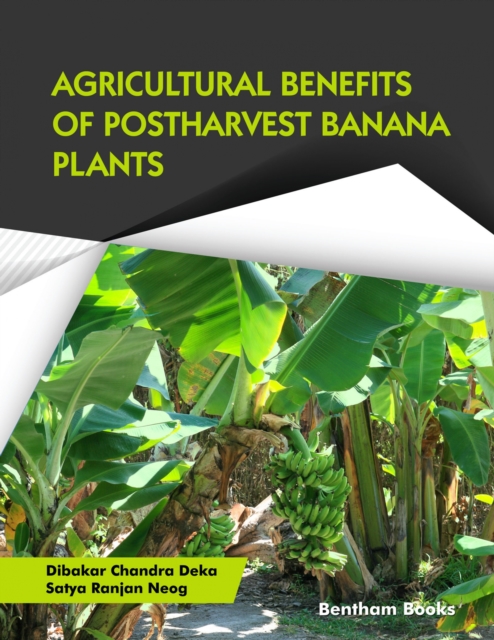
Agricultural Benefits of Postharvest Banana Plants
Banana farming is the basis for commercial fruit trading. Every banana plant generates waste biomass nearly ten times the quantity of its fruits. Disposal of waste biomass is a burden for the farmers. Economical use of the waste biomass can bring financial benefit to banana farmers. Use of organic potash in lieu of inorganic potash affords higher yield and also helps to preserve the ecosphere of soil for subsequent crops. Agricultural Benefits of Postharvest Banana Plants details the use of postharvest banana plants for agriculture and trade. Eleven chapters explain both traditional and modern uses of banana plants. The reader is informed how bio-waste from postharvest banana plants (including their stems) can be used as organic potash to replace inorganic potash (muriate of potash) in fertilizer. Experimental uses of banana plant pseudo-stem juice for growing different crops along with chemical analysis of the pseudo-stems are explained in separate chapters. Isolations of potassium chloride and potassium carbonate have also been discussed in the latter part of the book. This book is an ideal handbook for professionals and trainees interested in utilizing postharvest banana plants for sustainable agriculture and trade. The information is also useful for students and teachers involved in agricultural biotechnology and traditional agriculture courses.
eBook

Plant Cell Wall Degrading Enzymes, Pectinase and Cellulase, in the Digestive System of the Red Palm Weevil, Rhynchophorus ferrugineus (Coleoptera: Curculionidae)
In digestion, the red palm weevil, Rhynchophorus ferrugineus, has been adapted to overcome the plant cell wall barrier, specially lignocellulosic and pectic compounds, by producing cellulase and pectinase enzymes. Partial biochemical characterisations of cellulase and pectinase were determined in the larval digestive system of the pest. Larval midgut extract showed an optimum activity for cellulase and pectinase against carboxyl methyl cellulose and pectin at pH 6.0 and 7.0, respectively. Larval midgut cellulase and pectinase were more stable at pH 4.0-8.0 and pH 6.0-8.0 than in highly acidic and alkaline condition, respectively. However, cellulase and pectinase showed to be more stable at pH 6.0 and 7.0, respectively, when the incubation time increased. Maximum activity for cellulase and pectinase incubated at different temperatures was observed at 50 deg C. Cellulase and pectinase activity significantly decreased in the presence of EDTA and SDS. On the contrary, Ca2+, Mg2+, and Na+ significantly affect pectinase activity and K+ did not affect the enzyme activities. Ca2+ and Mg2+ increased cellulase activity as well. KM and Vmax for pectinase activity were 0.92 mg/ml and 290 units/mg. Zymogram analyses revealed the presence of one form of pectin methyl esterase and one form of cellulase in the larval digestive system.
Journal Article

Genetic analysis of salt tolerance in Arabidopsis: evidence for a critical role of potassium nutrition
A large genetic screen for sos (for salt overly sensitive) mutants was performed in an attempt to isolate mutations in any gene with an sos phenotype. Our search yielded 28 new alleles of sos1, nine mutant alleles of a newly identified locus, SOS2, and one allele of a third salt tolerance locus, SOS3. The sos2 mutations, which are recessive, were mapped to the lower arm of chromosome V, approximately 2.3 centimorgans away from the marker PHYC. Growth measurements demonstrated that sos2 mutants are specifically hypersensitive to inhibition by Na+ or Li+ and not hypersensitive to general osmotic stresses. Interestingly, the SOS2 locus is also necessary for K+ nutrition because sos2 mutants were unable to grow on a culture medium with a low level of K+. The expression of several salt-inducible genes was superinduced in sos2 plants. The salt tolerance of sos1, sos2, and sos3 mutants correlated with their K+ tissue content but not their Na+ tissue content. Double mutant analysis indicated that the SOS genes function in the same pathway. Based on these results, a genetic model for salt tolerance mechanisms in Arabidopsis is presented in which SOS1, SOS2, and SOS3 are postulated to encode regulatory components controlling plant K+ nutrition that in turn is essential for salt tolerance
Journal Article

Effect of different levels of humic acids on the nutrient content, plant growth, and soil properties under conditions of salinity
In this study, the effects were investigated of salinity, foliar and soil applications of humic substances on the growth and mineral nutrients uptake of Corn (Hagein, Fardy10), and the comparison was carried out of the soil and foliar applications of humic acid treatments at different NaCl levels. Soil organic contents are one of the most important parts that they directly affect the soil fertility and textures with their complex and heterogenous structures although they occupy a minor percentage of the soil weight. Humic acids are an important soil component that can improve nutrient availability and impact on other important chemical, biological, and physical properties of soils. The effects of foliar and soil applications of humic substances on the plant growth and some nutrient elements uptake of Corn (Hagein, Fardy10) grown at various salt concentrations were examined. Sodium chloride was added to the soil to obtain 20 and 60mM saline conditions. Solid humus was applied to the soil one month before planting and liquid humic acids were sprayed on the leaves twice on 20th and 40th day after seedling emergence. The application doses of solid humus were 0, 2 and 4 g/kg and those of liquid humic acids were 0, 0.1 and 0.2%. Salinity negatively affected the growth of corn; it also decreased the dry weight and the uptake of nutrient elements except for Na and Mn. Soil application of humus increased the N uptake of corn while foliar application of humic acids increased the uptake of P, K, Mg,Na,Cu and Zn. Although the effect of interaction between salt and soil humus application was found statistically significant, the interaction effect between salt and foliar humic acids treatment was not found significant. Under salt stress, the first doses of both soil and foliar application of humic substances increased the uptake of nutrients.
Journal Article


The Arabidopsis thaliana proton transporters, AtNhx1 and Avp1, can function in cation detoxification in yeast
Overexpression of the Arabidopsis thaliana vacuolar H+-pyrophosphatase (AVP1) confers salt tolerance to the salt-sensitive ena1 mutant of Saccharomyces cerevisiae. Suppression of salt sensitivity requires two ion transporters, the Gef1 Cl- channel and the Nhx1 Na+/H+ exchanger. These two proteins colocalize to the prevacuolar compartment of yeast and are thought to be required for optimal acidification of this compartment. Overexpression of AtNHX1, the plant homologue of the yeast Na+/H+ exchanger, suppresses some of the mutant phenotypes of the yeast nhx1 mutant. Moreover, the level of AtNHX1 mRNA in Arabidopsis is increased in the presence of NaCl. The regulation of AtNHX1 by NaCl and the ability of the plant gene to suppress the yeast nhx1 mutant suggest that the mechanism by which cations are detoxified in yeast and plants may be similar
Journal Article

Caractérisation morpho-physiologique in vitro d’accessions de manioc selon leur tolérance à la salinité
Description du sujet. Au Sénégal, les objectifs de production de tubercule de manioc sont d’année en année plus importants. Toutefois, la salinisation constitue une contrainte majeure à sa culture en raison des terres et des eaux d’irrigation affectées par le sel. Objectifs. Cette étude se propose de contribuer à déterminer in vitro les effets du chlorure de sodium (NaCl) sur les paramètres morpho-physiologiques d’accessions de manioc afin d’identifier les plus tolérantes ainsi que leur seuil de sensibilité. Méthode. Des explants de quinze accessions de manioc ont été cultivés in vitro en présence de différentes concentrations de NaCl (0 ; 1 ; 1,5 ; 2 ; 2,5 et 3 g·l-1). La taille des vitroplants régénérés, les poids frais et sec des parties aériennes et racinaires, l’aptitude à l’enracinement des explants et les teneurs des feuilles en chlorophylle a, b et totale ont été déterminés. Résultats. Les résultats montrent que le NaCl réduit significativement la croissance des vitroplants et la biosynthèse des chlorophylles a, b et totale dans les feuilles des vitroplants. La partie aérienne des vitroplants s’est révélée être plus sensible aux effets dépressifs de la salinité que la partie racinaire. Deux seuils de sensibilité critique aux effets néfastes de la salinité ont été identifiés à 1,5 et 2 g·l-1 de NaCl respectivement pour les paramètres physiologiques et morphologiques. L’indice de salinité (IS) constitue un critère morphologique pertinent pour évaluer la tolérance à la salinité des vitroplants de manioc. Ces résultats ont permis de classer les différentes accessions en groupes tolérant, moyennement tolérant et sensible au NaCl. Conclusions. Le microbouturage in vitro est une technique qui peut être adoptée pour un criblage rapide et à grande échelle de la tolérance à la salinité d’accessions de manioc. Les teneurs en chlorophylles biosynthétisées par les vitroplants peuvent être considérées comme des indicateurs biochimiques pertinents pour déterminer la sensibilité des vitroplants au sel (NaCl). In vitro morpho-physiological characterization of cassava accessions according to salinity tolerance Description of the subject. In Senegal, manioc tuber production targets are increasing every year. However, salinization is a major constraint to its cultivation due to salt-affected land and irrigation water. Objectives. The objective of this study was to evaluate in vitro the physiological and morphological response to salinity stress (NaCl) of cassava accessions in order to identify the most tolerant and their tolerance threshold. Method. In vitro cultured explants were exposed to different concentrations of NaCl (0, 1, 1.5, 2, 2.5, and 3 g·l-1) to determine the most tolerant accessions and their tolerance threshold. The stress impact was measured by the height of vitroplants, the rooting ability of vitroplants, the fresh and dry biomass, and the leaves' chlorophyll content. Results. The results showed that NaCl significantly reduced in vitro plant growth and biosynthesis of chlorophylls a, b and total in in vitro plant leaves. The leaves of the vitroplants were more sensitive to the depressive effects of salinity than the roots. Two critical sensitivity thresholds to the adverse effects of salinity were identified at 1.5 and 2 g·l-1 NaCl for physiological and morphological parameters, respectively. The salinity index (SI) is a relevant morphological criterion for assessing the salinity tolerance of cassava vitroplants. The method used can be adopted for rapid, large-scale screening of cassava varieties and/or accessions for salinity tolerance. Conclusions. In vitro micropropagation is a technique that can be adopted for rapid, large-scale screening of cassava accessions for salinity tolerance. The levels of chlorophylls biosynthesized by in vitro plants can be considered as relevant biochemical indicators for determining the sensitivity of in vitro plants to salt (NaCl).
Journal Article

Effects of silicon on enzyme activity and sodium, potassium and calcium concentration in barley under salt stress
Two contrasting barley (Hordeum vulgare L.) cultivars: Kepin No. 7 (salt sensitive), and Jian 4 (salt tolerant) were grown in a hydroponics system containing 120 mol m⁻³ NaCl only and 120 mol m⁻³ NaCl with 1.0 mol m⁻³ Si (as potassium silicate). Compared with the plants treated with salt alone, Superoxide dismutase (SOD) activity in plant leaves and H⁺-ATPase activity in plant roots increased, and malondialdehyde (MDA) concentration in plant leaves decreased significantly for both cultivars when treated with salt and Si. The addition of Si was also found to reduce sodium but increase potassium concentrations in shoots and roots of salt-stressed barley. Sodium uptake and transport into shoots from roots was greatly inhibited by added Si under salt stress conditions. However, Si addition exhibited little effect on calcium concentrations in shoots of salt-stressed barley. Thus, Si-enhanced salt tolerance is attributed to selective uptake and transport of potassium and sodium by plants. The results of the present study suggest that Si is involved in the metabolic or physiological changes in plants.
Journal Article

Occurrence of biogenic amines and amines degrading bacteria in fish sauce
The contents of biogenic amines histamine, putrescine, and cadaverine in fish sauce were determined and the bacteria isolated from the samples were evaluated for their amines degradation activity. Five fish sauce samples contained 62.5-393.3 ppm of histamine, 5.6-242.8 ppm of putrescine, and 187.1-704.7 ppm of cadaverine. Thirty three bacterial isolates produced all three amines, seven isolates produced one or two amines, and one isolate did not produce any amine in differential agar media. Since the strains that produced amines were not supposed to degrade them, only eight isolates were further identified and evaluated for their amines degrading capability. Bacillus amyloliquefaciens FS-05 and Staphylococcus carnosus FS-19 degraded histamine up to 59.9% and 29.1% from its initial concentration, respectively. Staphylococcus intermedius FS-20 and Bacillus subtilis FS-12 degraded putrescine and cadaverine up to 30.4% and 28.9%, respectively. Most isolates tolerated the salt concentration of up to 15% and temperature of up to 45 deg C. The current study provided new information on biogenic amines degrading bacteria, isolated from high-salt-content food products. The amines degradation activity of the bacteria is considered as strain rather than species specific.
Journal Article