
Catalogue Search | MBRL


Are you sure you want to remove the book from the shelf?

{{itemTitle}}
6,719
result(s) for
"Central Nervous System Diseases - drug therapy"
Sort by:

Oral Acyclovir Suppression and Neurodevelopment after Neonatal Herpes
Neonates with HSV and CNS involvement or skin, eye, and mouth disease were treated with IV acyclovir for 2 to 3 weeks, then acyclovir suppressive therapy or placebo for 6 months. Infants receiving acyclovir suppressive therapy had better neurodevelopmental outcomes.
The outcomes of neonatal herpes simplex virus (HSV) disease are dependent on the extent of the disease.
1
Approximately 30% of babies with disseminated disease die, but only 20% of survivors have neurologic sequelae.
2
In contrast, only 6% of babies with central nervous system (CNS) disease die, but approximately 70% have permanent neurologic impairment.
2
Skin, eye, and mouth disease is not associated with death, and neurologic impairment is rare with this manifestation of neonatal herpes.
3
HSV establishes latency in sensory ganglia, with periodic reactivation and recurrence of localized disease.
4
,
5
Whether the virus subclinically reactivates in the brain after neonatal HSV . . .
Journal Article
Oral Opioid Therapy for Chronic Peripheral and Central Neuropathic Pain
Pain occurring after central nervous system or peripheral-nerve injury is known as neuropathic pain and is notoriously difficult to treat. Many physicians have avoided the use of opiates to treat this type of pain for fear of addiction or loss of efficacy due to tolerance. In this eight-week study, patients with neuropathic pain who were treated with high-strength levorphanol tablets had less intense pain than patients assigned to low-strength tablets but had more side effects.
Opioids, although frequently prescribed, remain a controversial treatment for chronic neuropathic pain.
1
–
7
Studies in animals and some studies in humans have suggested that chronic neuropathic pain may respond poorly to opioid therapy,
2
,
3
,
8
but placebo-controlled studies of brief intravenous infusions have demonstrated analgesia.
9
,
10
Oral controlled-release opioids have been reported to be superior to placebo for postherpetic neuralgia, but the responsiveness to opioids of many types of neuropathic pain, including the pain syndromes that follow central nervous system injuries and are considered to be especially difficult to manage, have not been evaluated in a blinded, prospective manner.
5
, . . .
Journal Article
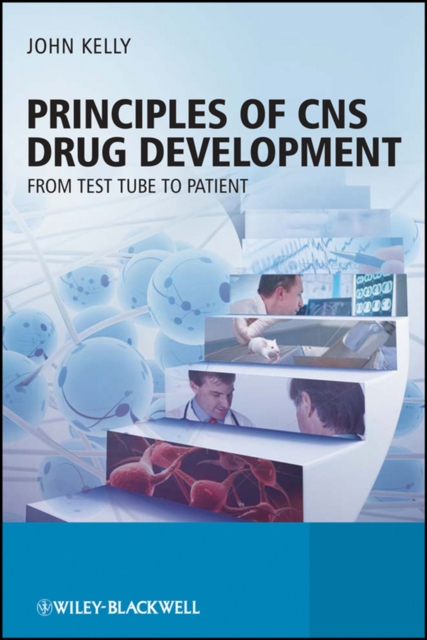
Principles of CNS drug development
This title acts as a primer, giving students and newcomers to the field an opportunity to learn about the breadth of the CNS drug discovery. The book outlines the core processes in drug discovery and development for CNS disorders, from evaluating drugs for desirable efficacy, safety and pharmacokinetic features in preclinical (using in vitro and in vivo models) and clinical experimentation to identifying future drug targets. Containing up-to-date experimental evidence and detailing the main impediments in the pipeline of CNS drug discovery and development, this is a key reference for those involved in all stages of CNS drug discovery. Key Features: Discusses in detail the key stages of CNS drug discovery, outlining the particular requirements and obstacles for CNS drugs Addresses safety concerns and future drug targets Provides succinct background information about the major CNS diseases Examples of specific drugs are used throughout to describe the development of a new drug from conception to clinical use and post-market surveillance Primary reasons for drug failure are given for each stage
eBook

Neurosarcoidosis: Clinical, biological, and MRI presentation of central nervous system disease in a national multicenter cohort
Introduction Neurosarcoidosis (NS) is a systemic inflammatory granulomatous disease affecting of patients with sarcoidosis. Its diagnosis is difficult as there is no specific test for it. Because of its rarity, the management of NS has so far only been described in case series and short retrospective cohorts. The objective of this study is description of the clinical, paraclinical presentation and the therapeutic management of central nervous system (CNS) involvement in NS patients in France. Methods This multicenter, retrospective, observational study involved patients hospitalized between 2010 and 2019 with a diagnosis of sarcoidosis and CNS involvement. Results We included 118 patients (38 with isolated NS, 80 with NS associated with systemic sarcoidosis). NS was the initial presentation in 78% of patients, with cranial nerve involvement (36%), medullary symptoms (23%), and seizures (21%). Twenty‐one percent of the patients had already been diagnosed with systemic sarcoidosis. The most frequent biological abnormality was lymphopenia (62.5%), while angiotensin‐converting enzyme was increased in 21%. Meningitis was present in 45% and hyperproteinorachia in 69.5% of cases. MRI mainly revealed white matter abnormalities and leptomeningeal enhancement (34%). Corticosteroids were the most useful treatment, and immunosuppressive agents were used in steroid‐resistant patients and to limit side effects. Methotrexate, cyclophosphamide, and anti‐TNFα were also used, exhibiting good efficacy. Conclusions This cohort contributes to a better understanding of the clinical phenotype and associated imaging and biological abnormalities. Sharing of clinical, biological, and imaging data, as well as the therapeutic responses, of patients with NS helps to better understand and manage this disease that affects a small number of patients per center. A database project could be implemented in the future to enable this. This multicenter, retrospective, observational study describes the clinical, paraclinical presentation and the therapeutic management of central nervous system involvement (CNS) involvement in 118 patients with neurosarcoidosis with CNS involvement.
Journal Article

B cells in autoimmune and neurodegenerative central nervous system diseases
B cells are essential components of the adaptive immune system and have important roles in the pathogenesis of several central nervous system (CNS) diseases. Besides producing antibodies, B cells perform other functions, including antigen presentation to T cells, production of proinflammatory cytokines and secretion of anti-inflammatory cytokines that limit immune responses. B cells can contribute to CNS disease either through their actions in the periphery (meaning that they have an ‘outside-in’ effect on CNS immunopathology) or following their compartmentalization within the CNS. The success of B cell-depleting therapy in patients with multiple sclerosis and CNS diseases with an autoantibody component, such as neuromyelitis optica spectrum disorder and autoimmune encephalitides, has underscored the role of B cells in both cellular and humoral-mediated CNS conditions. Emerging evidence suggests B cells also contribute to the pathogenesis of neurodegenerative diseases, including Alzheimer disease and Parkinson disease. Advancing our understanding of the role of B cells in neuroinflammatory and neurodegenerative diseases could lead to novel therapeutic approaches.
Journal Article

Intensive Versus Conventional Insulin Therapy in Critically Ill Neurologic Patients
Background
Previous studies of glycemic control in non-neurologic ICU patients have shown conflicting results. The purpose was to investigate whether intensive insulin therapy (IIT) to keep blood glucose levels from 80 to 110 mg/dl or conventional treatment to keep levels less than 151 mg/dl was associated with a reduction of mortality and improved functional outcome in critically ill neurologic patients.
Methods
Within 24 h of ICU admission, mechanically ventilated adult neurologic patients were enrolled after written informed consent and randomized to intensive or conventional control of blood glucose levels with insulin. Primary outcome measure was death within 3 months. Secondary outcome measures included 90-day modified Rankin scale (mRS) score, ICU, and hospital LOS.
Results
81 patients were enrolled. The proportion of deaths was higher among IIT patients but this was not statistically significant (36 vs. 25%,
P
= 0.34). When good versus poor outcome at 3 months was dichotomized to mRS score 0–2 versus 3–6, respectively, there was no difference in outcome between the two groups (76.2 vs. 75% had a poor 3-month outcome,
P
= 1.0). There was also no difference in ICU or hospital LOS. Hypoglycemia (<60 mg/dl) and severe hypoglycemia (<40 mg/dl) were more common in the intensive arm (48 vs. 11%,
P
= 0.0006; and 4 vs. 0%,
P
= 0.5, respectively).
Conclusion
There was no benefit to IIT in this small critically ill neurologic population. This is the first glycemic control study to specifically examine both critically ill stroke and traumatic brain injury (TBI) patients and functional outcome. Given these results, IIT cannot be recommended over conventional control.
Journal Article

From blood–brain barrier to blood–brain interface: new opportunities for CNS drug delivery
Key Points
The blood–brain barriers (BBBs) are dynamic, adaptable, interactive monolayers of cells, including endothelial, ependymal and tanycytic cells, that participate in central nervous system (CNS) protection, are responsible for CNS nutrition and homeostasis, and facilitate serum-based brain–body communications.
The cells forming the BBB are in communication with other cells of the CNS, thus forming the neurovascular unit. This communication informs the BBB of the needs of the CNS, allowing it to adapt to the needs of the CNS.
The BBB also communicates with circulating immune cells and via blood-borne signals with the peripheral tissues. Through transport, secretion and other mechanisms, the BBB relays information between the periphery and the CNS.
The complexity of the BBB complicates CNS drug delivery, but also provides many unique opportunities for drug delivery. Manipulation of transporters, secretory functions, the extracellular pathways, and adsorptive transcytosis are examples of promising approaches to drug development.
The complexity of the BBB predisposes it to dysfunctions that can result in or promote disease. Such dysfunctions include BBB disruption as well as dysfunctions related to BBB transporters, neurovascular unit communication and secretion. Thus, the BBB itself can be a therapeutic target.
Research on the blood–brain barrier (BBB) has led to the concept of a complex, dynamic interface between the central nervous system (CNS) and periphery. Banks considers how this new understanding can combine with classical concepts to inform CNS drug delivery strategies and promote BBB integrity in various diseases.
One of the biggest challenges in the development of therapeutics for central nervous system (CNS) disorders is achieving sufficient blood–brain barrier (BBB) penetration. Research in the past few decades has revealed that the BBB is not only a substantial barrier for drug delivery to the CNS but also a complex, dynamic interface that adapts to the needs of the CNS, responds to physiological changes, and is affected by and can even promote disease. This complexity confounds simple strategies for drug delivery to the CNS, but provides a wealth of opportunities and approaches for drug development. Here, I review some of the most important areas that have recently redefined the BBB and discuss how they can be applied to the development of CNS therapeutics.
Journal Article
Strategies for delivering therapeutics across the blood–brain barrier
Achieving sufficient delivery across the blood–brain barrier is a key challenge in the development of drugs to treat central nervous system (CNS) disorders. This is particularly the case for biopharmaceuticals such as monoclonal antibodies and enzyme replacement therapies, which are largely excluded from the brain following systemic administration. In recent years, increasing research efforts by pharmaceutical and biotechnology companies, academic institutions and public–private consortia have resulted in the evaluation of various technologies developed to deliver therapeutics to the CNS, some of which have entered clinical testing. Here we review recent developments and challenges related to selected blood–brain barrier-crossing strategies — with a focus on non-invasive approaches such as receptor-mediated transcytosis and the use of neurotropic viruses, nanoparticles and exosomes — and analyse their potential in the treatment of CNS disorders.The blood–brain barrier is a perennial challenge for the delivery of therapeutics to the central nervous system. In their Review, Terstappen and colleagues discuss non-invasive approaches to brain delivery, particularly for biopharmaceuticals, some of which are now in clinical testing.
Journal Article
Kynurenines in the CNS: recent advances and new questions
Key Points
Kynurenic acid has potentially neuroprotective actions, such as antagonism at NMDA (
N
-methyl-
D
-aspartate) receptors, inhibition of glutamate release and free radical scavenging. Pharmacological manipulations to harness the beneficial effects of this blood–brain barrier-impermeable agent include increasing the availability of its precursor
L
-kynurenine, modulation of the kynurenine pathway enzymes towards the synthesis of kynurenic acid, as well as the systemic administration of kynurenic acid analogues that have improved pharmacokinetic characteristics.
Most of the kynurenines are neuroactive; they have important roles in the functioning of glutamate receptors and in free radical production. NMDA receptor-mediated excitotoxicity and excessive free radical production are involved in neurodegenerative diseases such as Huntington's disease. The kynurenine pathway is altered in Huntington's disease to favour the production of toxic metabolites, and the possible therapeutic potential of its pharmacological modulation is currently under experimental investigation.
Glutamatergic neurotransmission is essential for the spinal and trigeminal processing of pain. Kynurenic acid has several antiglutamatergic properties. Therefore, the elevation of kynurenic acid levels could have therapeutic value in pain syndromes, including migraine. In this disorder, increases in kynurenic acid levels could suppress trigeminal and higher-order nociceptive neurons, modulate migraine generator nuclei in the brainstem and inhibit cortical spreading depression.
The activation of indoleamine 2,3-dioxygenase triggers a complex immunomodulatory response, which is involved in the mediation of physiological and pathological immune tolerance. The immunosuppressive effect of this enzyme is attributable to tryptophan depletion and the actions of downstream kynurenine metabolites. There is evidence to indicate that indoleamine 2,3-dioxygenase is activated in several inflammatory and autoimmune conditions, most probably serving as a self-protecting mechanism.
Experimental and indirect evidence suggests that the kynurenine pathway is overactivated in multiple sclerosis. As most of the immunotolerogenic metabolites of the kynurenine pathway exert neurotoxic and/or oligotoxic properties, the influence of this phenomenon on the pathogenesis and progression of multiple sclerosis necessitates further investigation.
In experimental models of multiple sclerosis, the activation of indoleamine 2,3-dioxygenase has shown beneficial effects; indeed, this mechanism may underlie the therapeutic potential of interferon-β in multiple sclerosis. Structurally similar synthetic derivatives of kynurenines have shown disease-modifying effects in recent clinical trials. The complex anti-inflammatory and neuroprotective properties of kynurenic acid and its analogues suggest that experimental screening of such compounds is warranted.
Most metabolites of the kynurenine pathway — which metabolizes tryptophan — are neuroactive. This Review describes the role of the kynurenine pathway in the pathology of Huntington's disease, migraine and multiple sclerosis, and highlights the most promising compounds that could be of therapeutic value.
Various pathologies of the central nervous system (CNS) are accompanied by alterations in tryptophan metabolism. The main metabolic route of tryptophan degradation is the kynurenine pathway; its metabolites are responsible for a broad spectrum of effects, including the endogenous regulation of neuronal excitability and the initiation of immune tolerance. This Review highlights the involvement of the kynurenine system in the pathology of neurodegenerative disorders, pain syndromes and autoimmune diseases through a detailed discussion of its potential implications in Huntington's disease, migraine and multiple sclerosis. The most effective preclinical drug candidates are discussed and attention is paid to currently under-investigated roles of the kynurenine pathway in the CNS, where modulation of kynurenine metabolism might be of therapeutic value.
Journal Article
