
Catalogue Search | MBRL


Are you sure you want to remove the book from the shelf?

{{itemTitle}}
5
result(s) for
"Chemistry, Physical and theoretical Laboratory manuals"
Sort by:
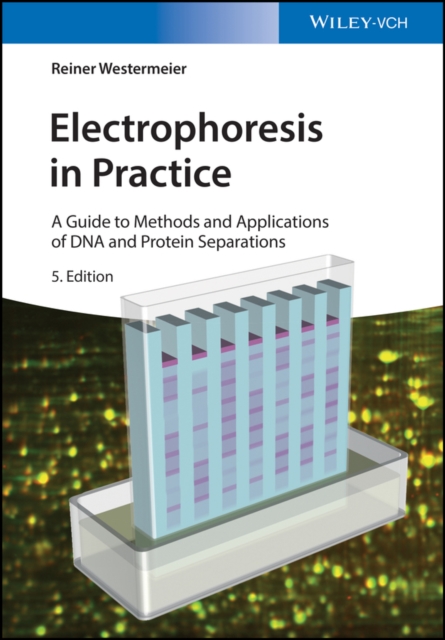
Electrophoresis in practice
This fifth edition of the successful, long-selling classic has been completely revised and expanded, omitting some topics on obsolete DNA electrophoresis, but now with a completely new section on electrophoretic micro-methods and on-the-chip electrophoresis.
eBook
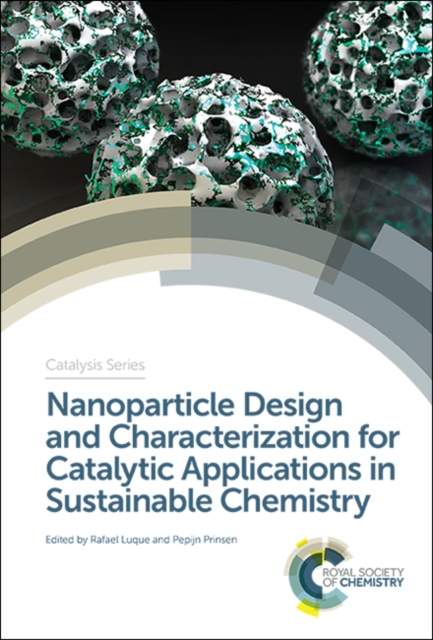
Nanoparticle design and characterization for catalytic applications in sustainable chemistry
Nanoparticles exhibit a range of different properties when compared to bulk materials. Their high surface-area to volume ratio makes them particularly attractive for use as catalysts and recent years have seen an explosion of research in this area. The ability to fine-tune the size and structure of nanoparticles means that it is possible to design catalytic materials for improved activity or specificity. As catalysis is one of the key technologies for more sustainable production of both chemicals and energy, the past few years have seen increasing numbers of nanomaterials reported for these applications. Depending on the application, a number of different catalyst synthesis and optimization protocols can be used. This book provides comprehensive links between the design and fabrication method for nanoparticles and their catalytic performance (activity, selectivity and stability) in various applications. Presenting an introduction to the concept of catalyst design and recent developments in the preparation and characterisation of nanomaterials, followed by several chapters on the design of catalysts for specific applications, this book is a valuable resource for researchers working on catalytic reactions, industrial processes and nanomaterial applications.
eBook
Environmental laboratory exercises for instrumental analysis and environmental chemistry
A comprehensive set of real-world environmental laboratory experiments This complete summary of laboratory work presents a richly detailed set of classroom-tested experiments along with background information, safety and hazard notes, a list of chemicals and solutions needed, data collection sheets, and blank pages for compiling results and findings. This useful resource also: * Focuses on environmental, i.e., \"dirty\" samples * Stresses critical concepts like analysis techniques and documentation * Includes water, air, and sediment experiments * Includes an interactive software package for pollutant fate and transport modeling exercises * Functions as a student portfolio of documentation abilities * Offers instructors actual samples of student work for troubleshooting, notes on each procedure, and procedures for solutions preparation.
eBook

Biogenic trace gases : measuring emissions from soil and water
Trace gases are those that are present in the atmosphere at relatively low concentrations.Small changes in their concentrations can have profound implications for major atmospheric fluxes, and thereore, can be used as indicators in studies of global change, global biogeochemical cycling and global warming.
eBook