
Catalogue Search | MBRL


Are you sure you want to remove the book from the shelf?

{{itemTitle}}
1,957
result(s) for
"Chinese language Texts"
Sort by:


Jimmy Du's essential Chinese
As the first self-teaching course in Jimmy Dus Natural Language Works, Jimmy Dus Essential Chinese is an audio-companion book specially designed to help you master Mandarin Chinese in the shortest time possible. The promise is that you will simply \"pick it up\" if you just spend a little time following this course while relaxing at home, taking a walk, commuting to work or travelling. You dont have to sit in a classroom, consult the dictionary, study grammar or do any written exercises. Thi.
eBook
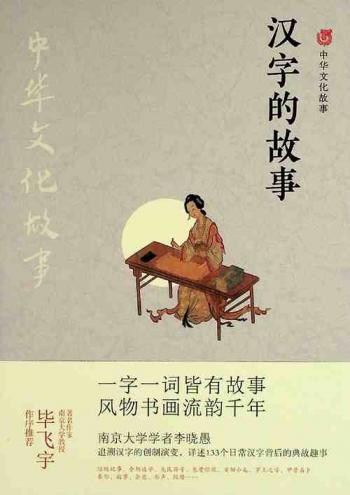

The first 100 Chinese characters : the quick and easy method to learn the 100 most basic Chinese characters
This book is a quick and easy way to learn the first 100 basic Chinese traditional characters. For effective leaning, memorization and practice, each Chinese character is shown separately on a single page, together with its English definitions, hanyu pinyin romanization, alternate form (if any), a stroke order guide and ample space for writing practice. Printed in gray lines, the stroke order guides introduce the student to the standard stroke sequence used in writing the characters, by tracing over them. After learning the correct stroke order, the student can then practice writing the character on their own, thus reinforcing recognition and memorization. Large boxes with grids for correct proportions are provided. Related compounds and phrases containing each character are also included to assist in vocabulary building. Three indexes (alphabetically by the English meanings and the pinyin romanization, and by radicals) are provided at the back of the book for quick and esy reference, along with extra sheets of blank boxes for writing practice. Featured are: The 100 most frequently#150;used Chinese characters Foundation characters for the HSK A level language proficiency test Standard hanyu pinyin romanizations Step#150;by#150;step stroke order guides and ample space for writing practice Over 500 words and phrases containing the basic characters Concise English definitions.
eBook
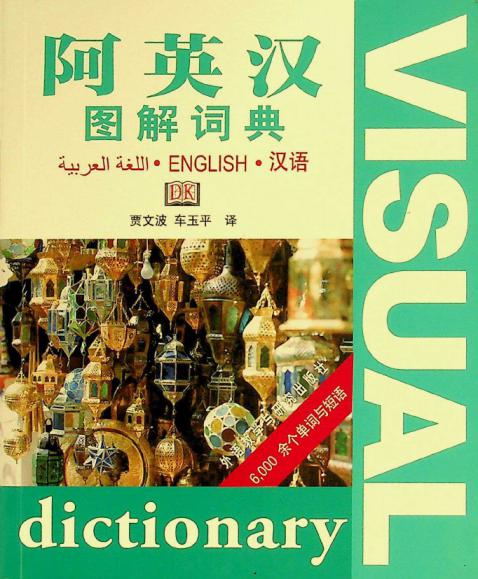

Basic written Chinese : move from complete beginner level to basic proficiency
This is a beginning-level course in written Chinese that employs a revolutionary new method designed to have you quickly reading and writing simple, connected Chinese sentences. Along with its sister book, Basic Written Chinese and their accompanying workbooks, Basic Spoken Chinese offers a complete introductory course to the written Chinese language. As a native English speaker, working hard to learn Chinese characters is not enough; you have to work smart in order to learn this very different language efficiently. No matter why you've chosen to learn Chinese--for business, travel, cultural studies or another goal--the Basic Chinese approach of two separate but integrated tracts in spoken and written Chinese will help you learn this language most efficiently and successfully. Basic Written Chinese is designed so it can be used in a class with an instructor or by independent learners working on their own. Basic Written Chinese systematically introduces 288 of the highest frequency characters (in both their simplified and traditional forms) and over 700 common words written with them in context in sentences and a variety of reading passages to help you master basic Chinese reading and writing. This method will greatly improve your abilities to read Chinese and write Chinese The structure of each new character is explained in detail to make the learning of characters easier, and \"look-alike\" characters are compared and contrasted. Many lessons include character differentiation drills and some lessons include realia such as name cards, street signs, or email messages. Each lesson introduces 6 new characters and a number of words that are written using them. By dividing the leaning into small tasks, you maintain a sense of accomplishment rather than getting bogged down. You'll experience both printed and handwritten forms of characters, as well as
several different printed fonts. Downloadable audio includes: Over 6 hours of audio by several native Mandarin speakers. Recordings of all reading selection. Additional characters. New vocabulary. Available separately, Basic Written Chinese Practice Essentials is the companion workbook for Basic Written Chinese. This practical guide includes a broad range of drills and exercises designed to dramatically enhance your proficiency in reading and writing Chinese. While designed for use with the companion textbook, it can be used together with any Chinese textbook or teaching program to hone your Chinese reading and writing language skills.
eBook
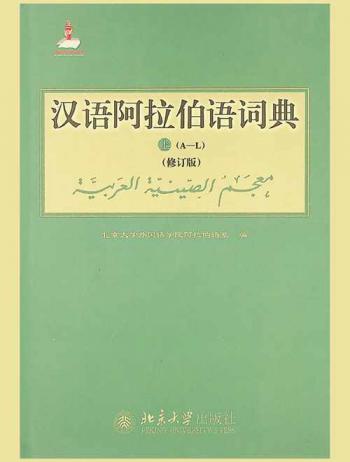

Navigating the digital nexus: new tech achievements in Chinese textbooks for foreigners
This research evaluates the portrayal of technological advancements in the New Era Spoken Chinese Series, a textbook series designed for non-native speakers, in order to identify underlying themes and ideologies. The study employs both content analysis and critical discourse analysis as its primary methodologies, examining dialogues across the entire series. Three prominent themes emerged from the analysis: electronic payment systems, interpersonal communication in the digital age, and technological products integral to contemporary Chinese life. The findings reveal a strong emphasis on China's technological progress, often presented in favorable comparison to developed countries such as Germany and Japan. While the textbooks highlight the positive aspects of China's technological achievements, they offer limited engagement with potential limitations or challenges. The study also notes a subtle promotion of pro-environmental ideologies and highlights an underrepresentation of older generations, which may reflect perceived digital literacy gaps. Furthermore, there is a notable focus on younger demographics-particularly university students-and a narrow representation of foreign characters, limited mostly to those of Asian and European descent. This contributes to a lack of broader global inclusivity. Cutting-edge technologies are presented within the framework of Chinese society, with little attention given to advancements occurring elsewhere in the world. Notwithstanding these findings, no overt national stereotypes were identified.
Journal Article
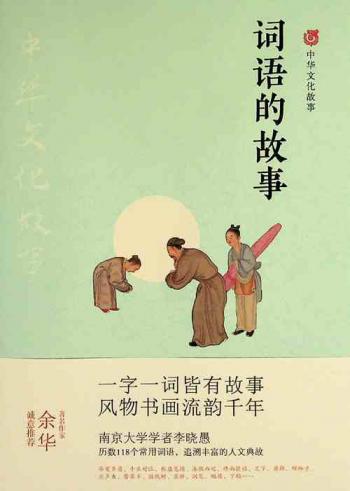
Chinese nationalism portrayed in textbooks designed for ethnic Korean students
This study explores the cultivation of Chinese nationalism in primary Chinese language textbooks of ethnic Korean (Chaoxianzu) students in China. With focus on narratives of patriotism and ethnic Korean-related content, twelve textbooks are analysed with Critical Discourse Analysis (CDA). The analysis identifies central components of this nationalism, evaluates their influence in shaping Chaoxianzu students into ideal Han-centric Chinese citizens (aligned with the Zhonghua Minzu identity), and exposes consistent omissions. These textbooks advance PRC nationalism through China's historical subjugation by Japan and Western powers, promote Han-centred unity, and champion the 'Chinese Dream'. Chaoxianzu students are encouraged to embrace Mandarin, internalize Han-centric historical memories, demonstrate loyalty to the Chinese Communist Party (CCP), and align their personal aspirations with the 'Chinese Dream', without recognition of the Korean Peninsula or Chaoxianzu contributions to China. The lack of Chinese nationalism in Chaoxianzu textbooks analysis presents a major challenge. This study applies CDA to identify unequal power relations between Han-dominant and ethnic minority groups, and stricter PRC policies on ethnic minority education through analysis of the latest textbooks, offers guidance for policymakers, textbook authors, and teachers, and advocates for inclusive materials that integrate minority perspectives to cultivate genuine national unity.
Journal Article