
Catalogue Search | MBRL


Are you sure you want to remove the book from the shelf?

{{itemTitle}}
114
result(s) for
"Civilization, Modern 18th century."
Sort by:

An emerging modern world 1750-1870
The long century between 1750 and 1880 was a transformative period in global history. During this time, a world of connected, but essentially still separated large regions, gave way to a globally integrated world. Ever since, different parts of the world were linked not through trade and war alone. Cultural developments, political reform and social change were increasingly entangled across continents and cultures. Emerging Modernity, the fourth volume of the 6-volume series A History of the World, charts this transformative period. How did the modern world economy emerge? Why did industrialization begin in England and not in China, and were there origins of capitalist development outside of the West? What were the roles of slaves and of nomads in this integrating world? Was there a bourgeoisie outside of Euro-America? To what extent did the large empires keep the rise of nation-states in check? Was the emergence of the \"Muslim world\" an effect of globalization? Such issues are at the center of the four large, thematically organized chapters of the present volume.-- Provided by publisher
Book
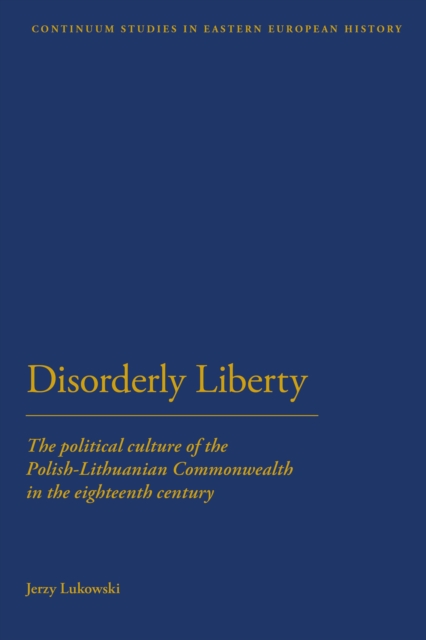
Disorderly Liberty
The first detailed study of the history of Poland and its political development during the 18th century.
eBook

Yuan Mei
First published in 1956. Arthur Waley here presents an engrossing account of the works and life of Yuan Mei (1716-1797), the best-known poet of his time. Gaiety is the keynote of his works and the poet was a friend of the Manchu official with whom Commodore Anson had dramatic dealings at Canton in 1743. Yuan Mei gives an account (not previously translated) of Anson's interview with the Manchu authorities. The book contains many translations of Yuan Mei's verse and prose.
eBook

Curious encounters : voyaging, collecting, and making knowledge in the long eighteenth century
\"With contributions from historians, literary critics, and geographers, Curious Encounters uncovers a rich history of global voyaging, collecting, and scientific exploration in the long eighteenth century. Leaving behind grand narratives of discovery, these essays collectively restore a degree of symmetry and contingency to our understanding of encounters between European and Indigenous people. To do this the essays consider diverse agents of historical change, both human and inanimate: commodities, curiosities, texts, animals, and specimens moved through their own global circuits of knowledge and power. The voyages and collections rediscovered here do not move from a European center to a distant periphery, nor do they position European authorities as the central agents of this early era of globalization. Long distance voyagers from Greenland to the Ottoman Empire crossed paths with French, British, Polynesian, and Spanish travelers across the world, trading objects and knowledge for diverse ends. The dynamic contact zones of these curious encounters include the ice floes of the Arctic, the sociable spaces of the tea table, the hybrid material texts and objects in imperial archives, and the collections belonging to key figures of the Enlightenment, including Sir Hans Sloane and James Petiver.\"-- Provided by publisher.
Book

Transformations of Knowledge in Dutch Expansion
In the seventeenth and eighteenth centuries, objects, texts and people travelled around the world on board Dutch ships. The essays in this book explore how these circulations transformed knowledge in Asian and European societies. They concentrate on epistemic consequences in the fields of historiography, geography, natural history, religion and philosophy, as well as in everyday life. Emphasizing transformations, the volume reconstructs small semantic shifts of knowledge and tentative adjustments to new cultural contexts. It unfolds the often conflict-ridden, complex and largely global history of specific pieces of knowledge as well as of generally-shared contemporary understandings regarding what could or could not be considered true. The book contributes to current debates about how to conceptualize the unsettled epistemologies of the early modern world.
eBook


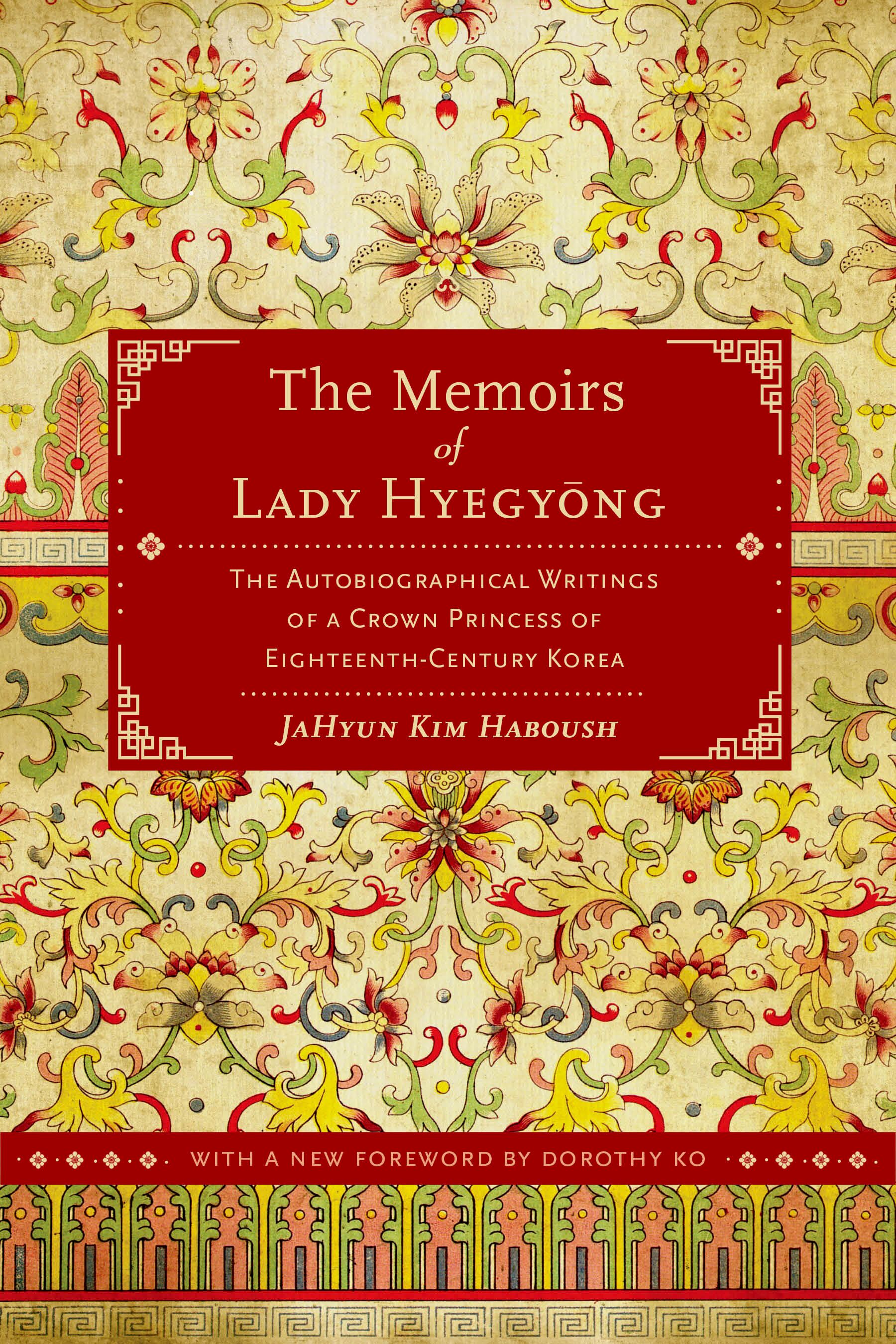
The Memoirs of Lady Hyegyong
Lady Hyegyong's memoirs, which recount the chilling murder of her husband by his father, form one of the best known and most popular classics of Korean literature. From 1795 until 1805 Lady Hyegyong composed this masterpiece, depicting a court life Shakepearean in its pathos, drama, and grandeur. Presented in its social, cultural, and historical contexts, this first complete English translation opens a door into a world teeming with conflicting passions, political intrigue, and the daily preoccupations of a deeply intelligent and articulate woman. JaHyun Kim Haboush's accurate, fluid translation captures the intimate and expressive voice of this consummate storyteller. Reissued nearly twenty years after its initial publication with a new foreword by Dorothy Ko,The Memoirs of Lady Hyegyongis a unique exploration of Korean selfhood and an extraordinary example of autobiography in the premodern era.
eBook