
Catalogue Search | MBRL


Are you sure you want to remove the book from the shelf?

{{itemTitle}}
4,754
result(s) for
"Cognitive/Behavior Therapy"
Sort by:

Schema Therapy
Schema Therapy combines proven cognitive behavioral therapy techniques with elements of interpersonal, experiential, and psychodynamic therapies in order to help people with long-term mental health problems including personality disorders and chronic depression. Schema Therapy suggests that many negative cognitive conditions are based on past experiences, and therefore provides models for challenging and modifying negative thoughts and behaviors in order to provoke change.
In this book, Eshkol Rafaeli, David P. Bernstein and Jeffrey Young – pioneers of the Schema Therapy approach – indicate the 30 distinctive features of Schema Therapy, and how the method fits into the broader CBT spectrum.
Divided into two parts, Theoretical Points and Practical Points, this book provides a concise introduction for those new to the technique, as well as a discussion of how it differs from the other cognitive behavioral therapies for those experienced in the field.
Part I: Theoretical Points. Universal Core Emotional Needs. Early Maladaptive Schema Development as a Consequence of Unmet Needs. A Taxonomy of Early Maladaptive Schemas. Coping Styles and Responses. Coping Styles: Surrender Responses. Coping Styles: Avoidance Responses. Coping Styles: Overcompensation Responses. Schema Modes as States (The State vs. Trait Distinction). The Wounded Core: Vulnerable Child Mode. Angry and Impulsive Child Modes. Maladaptive Coping Modes. Internalized Parental Modes. Healthy Modes: Healthy Adult, Contented Child. Limited Reparenting. Empathic Confrontation. Part II: Practical Points. The Assessment Process: Focused Life History Interview, Schema Inventories, and Self-monitoring. The Assessment Process: Guided Imagery. The Assessment Process: In-session Behaviours and the Therapy Relationship. Educating the Patient About the Schema and Mode Models, and Using the Schema Case Conceptualization Form. Toolbox 1: Relational Techniques. Toolbox 2: Cognitive Techniques. Toolbox 3: Emotion-focused Techniques. Toolbox 4: Behavioral Pattern Breaking. Mode Dialogues and Imagery. Specific Points for Working with Borderline Personality Disorder. Specific Points for Working with Narcissistic Personality Disorder and Antisocial Personality Disorder. Specific Points for Working with Couples. Interplay Between Schema Therapy for Axis II and CBT for Axis I. The Therapeutic Relationship: Limited Reparenting. Therapists’ Own Schemas.
Eshkol Rafaeli is a Clinical Psychologist specializing in both cognitive behavioral therapy and Schema Therapy and is Associate Professor at Bar-Ilan University.
David P. Bernstein is a Clinical Psychologist and a Cognitive and Schema Therapist, an is Associate Professor in the Faculty of Psychology at Maastricht University, The Netherlands.
Jeffrey Young is the Founder and Director of the Cognitive Therapy Centers of New York and Connecticut, and the Schema Therapy Institute in New York City.
\"This book provides an excellent overview of schema therapy and covers all the key areas of new development in schema therapy with authority and brevity.\" - George Lockwood, Director, Schema Therapy Institute Midwest, USA
eBook

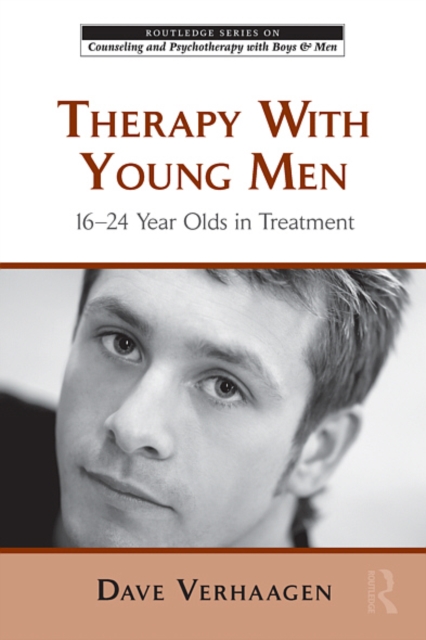
Therapy With Young Men
Young adult men in their late teens and early twenties are statistically the least happy of any group of males surveyed. What’s more, scholarly research tells us that adolescent boys and young men have the highest rates of behavioral problems, completed suicides, and drug and alcohol problems of any demographic group. They also tend to have greater problems managing their emotions and successfully negotiating close interpersonal relationships, which makes therapy more complex and challenging. However, when done well, therapy with young men can be highly effective and quite rewarding for both the therapist and client.
In Therapy With Young Men , Verhaagen presents a comprehensive model of therapy with young men that addresses each of these concerns, beginning with the rapport and engagement process, and then moving to ways to increase motivation for changing problem behaviors and increasing adaptive skills. The book describes a wide range of novel, effective cognitive-behavioral interventions that can readily be employed in the therapeutic process.
\"Drawing on more than 20,000 hours of treatment with young men, Dave Verhaagen has developed a comprehensive therapeutic strategy to engage young men – not only in therapy, but actually engage them in their own lives. This book is more than ‘useful’ – it’s vitally necessary.\" - Michael Kimmel, SUNY Stony Brook–New York, USA; author, Guyland: The Perilous World Where Boys Become Men
\" Therapy with Young Men is an excellent book. Dr. Verhaagen describes a wide range of effective cognitive-behavioral interventions that can be implemented with adolescents and young adults with severe behavioral problems. For clinicians who want concrete tools that they can use in their practice to lower resistance and engage out of control adolescents, this is a must read.\" - Scott P. Sells, author, Parenting Your Out of Control Teenager; Treating the Tough Adolescent
\"[This book] targets a narrow age and gender group, and this fills a gap in many clinicians' knowledge and skills base. It is clear that Verhaagen has a vast experience of working effectively with this client group, something that he is able to share in this very readable book.\" -Cheryl Bailey, Birmingham and Solihull Mental Health Foundation Trust, UK, in Child and Adolescent Mental Health
David Verhaagen, PhD, ABPP, is a licensed psychologist and managing partner/CEO of Southeast Psychological Services. He is a well-published author and a frequent speaker; he is also one of fewer than 100 psychologists in the US to be board-certified by the American Board of Professional Psychology (ABPP) in Clinical Child and Adolescent Psychology.
The Culture of Young Men. What’s Going on Developmentally? Are Men and Women Different? Qualities of Great Therapists. Prelude to Therapy. The Tone of Therapy. Creating a Context of Change. Guiding Principles of Therapy with Young Men. Beginning Therapy. Going Deeper. Helping Identity Formation. Improving Emotional Intelligence. Working on Behavioral and Substance Problems. Improving Relationship Skills.
eBook


Tratamiento Cognitivo-conductual de un Caso de Estrés Postraumático por Accidente Ferroviario. ¿Éxito Terapéutico o Evitación?
Se describe el caso clínico de una mujer de 53 años con trastorno de estrés postraumático (TEPT), a raíz de un accidente ferroviario en Galicia (España) en julio 2013. El accidente le supuso diferentes lesiones e intervenciones quirúrgicas. El impacto a nivel psicológico aparece de forma demorada, presentando, además de sintomatología TEPT, alta ansiedad, síntomas depresivos y alta irritabilidad. En el tratamiento se aplicó “exposición prolongada” enmarcada en un tratamiento cognitivo-conductual más amplio, en el que se incluyó reestructuración cognitiva y entrenamiento en regulación emocional, para abordar las interpretaciones disfuncionales que favorecían la aparición de la ira. Se describe la aplicación del tratamiento y las principales dificultades encontradas, principalmente la evitación de la exposición al recuerdo del trauma y la solicitud de la paciente del cese anticipado del tratamiento. Se presentan los resultados, incluyendo los seguimientos a 1, 3, 6 y 12 meses, y se discute la evolución de la paciente.
Journal Article
Compassion Focused Therapy
Research into the beneficial effect of developing compassion has advanced enormously in the last ten years, with the development of inner compassion being an important therapeutic focus and goal. This book explains how Compassion Focused Therapy (CFT) – a process of developing compassion for the self and others to increase well-being and aid recovery – varies from other forms of Cognitive Behaviour Therapy.
Comprising 30 key points this book explores the founding principles of CFT and outlines the detailed aspects of compassion in the CFT approach. Divided into two parts – Theory and Compassion Practice – this concise book provides a clear guide to the distinctive characteristics of CFT.
Compassion Focused Therapy will be a valuable source for students and professionals in training as well as practising therapists who want to learn more about the distinctive features of CFT.
Paul Gilbert is Professor of Clinical Psychology, University of Derby and has been actively involved in research and treating people with shame-based and mood disorders for over 30 years. He is a past President of the British Association for Cognitive and Behavioural Psychotherapy and a fellow of the British Psychological Society and has been developing CFT for twenty years.
Part I: Theory: Understanding the Model. Some Basics. A Personal Journey. The Evolved Mind and Compassion Focused Therapy. Multi-mind. Attachment and the Importance of Affection. Affect Regulation: The Three Affect-regulation Systems, Caring and CFT. Affiliation, Warmth and Affection. Clarifying the CFT Approach. Formulation. Shame. Self-criticism. Distinguishing Shame, Guilt and Humiliation: Responsibility vs. Self-critical Blaming. Distinguishing Compassionate Self-correction from Shame-based, Self-attacking. Threat and the Compensations of Achievement. Part II: Compassion Practice. Understanding Soothing: The Wider Context of Balancing Affect-regulation Systems. The Nature of Compassion. Preparing and Training One’s Mind: Mindfulness and Soothing Breathing Rhythm. Introducing Imagery. Creating a Safe Place. Varieties of Compassion Focused Imagery. Developing the Compassionate Self. Compassionate Chair Work. Focusing of the Compassionate Self. Compassion Flowing Out. Compassion Flowing into Oneself: Using Memory. Compassion Flowing into Oneself: Compassionate Images. Compassionate Letter Writing. Compassion and Well-being Enhancing. Fear of Compassion. Last Thoughts.
\"This is an important book for all professions in the caring services, not just those who will be practicing or benefiting from compassion focused therapy.\" - Peter Gilbert, Review of the Month, British Journal of Wellbeing , Vol. 1 No. 8, November 2010
eBook
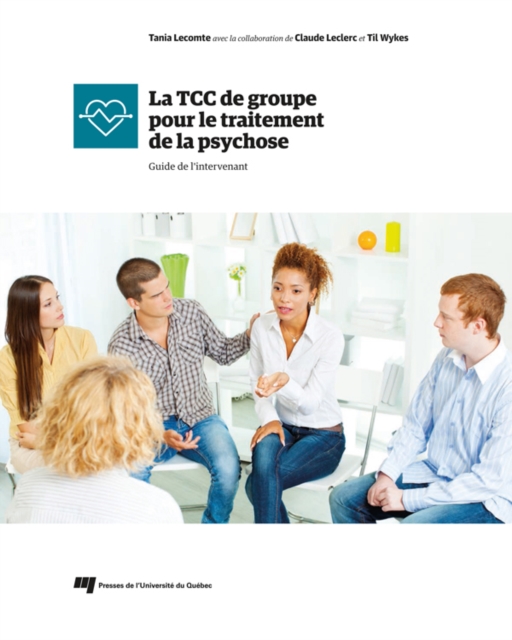
La TCC de groupe pour le traitement de la psychose
La TCC de groupe pour le traitement de la psychose est le premier module de thérapie de groupe de son genre à être publié. Ce manuel conviendra à une grande variété de professionnels de la santé mentale. La thérapie de groupe est souvent recommandée aux personnes atteintes de psychose en raison des coûts peu élevés qu’elle engendre et des bienfaits indirects qu’elle procure, comme l’amélioration des habiletés sociales et la solidification du soutien social. La prestation de ce type d’intervention nécessite des compétences particulières et des connaissances spécialisées qui sont rarement enseignées dans les programmes de formation clinique. Cet ouvrage offre des descriptions détaillées des techniques pertinentes, des vignettes cliniques et des activités qui pourront être utilisées au cours des séances de groupe. Il sera une ressource précieuse pour les psychiatres, les psychologues, les infirmiers psychiatriques, les ergothérapeutes, les travailleurs sociaux, les enseignants, les superviseurs et les étudiants des cycles supérieurs dans ces domaines.
eBook
Porque el Tiempo no lo Cura Todo: Eficacia de la Terapia Cognitivo-conductual Centrada en el Trauma para el Estrés postraumático a muy Largo Plazo en Víctimas de Terrorismo
Ciento veinte víctimas del terrorismo que habían sufrido un atentado como media 18 años antes y que presentaban sintomatología o trastorno de estrés postraumático (TEPT) fueron aleatorizadas a 16 sesiones de terapia cognitivoconductual centrada en el trauma (TCC-CT) o a lista de espera. Ninguna de las víctimas que completó el tratamiento presentaba un diagnóstico de TEPT en el postratamiento; estas víctimas mostraban niveles de sintomatología de estrés postraumático significativamente menores en el postratamiento que en el pretratamiento, con una diferencia prepost grande (d = 1.39) y un 78.3% de ellas mostraban niveles normales en el postratamiento. Estos resultados fueron significativamente mejores que los del grupo control, siendo la diferencia tratamiento-control grande (d = 0.91). La TCC-CT es eficaz y representa actualmente el tratamiento de elección para víctimas del terrorismo que sufren TEPT o sintomatología de estrés postraumático, incluso a muy largo plazo, entre 6 y 51 años después del atentado.
Journal Article
Tratamiento Psicológico por Videoconferencia de una Víctima de Terrorismo con Trastorno por Estrés Postraumático y Otros Trastornos Emocionales Comórbidos 30 Años después del Atentado
En este trabajo se muestra la efectividad o utilidad clínica de la terapia cognitivo-conductual centrada en el trauma (TCCCT) cuando se aplica por videoconferencia a un paciente de 52 años víctima directa de un atentado terrorista sufrido hace 30 años, que presentaba trastorno por estrés postraumático (TEPT), trastorno depresivo mayor, fobia social y trastorno obsesivo-compulsivo. Tras 36 sesiones de tratamiento, se produjo una reducción clínicamente significativa de la sintomatología postraumática, ansiosa y depresiva, la cual se mantuvo estable a largo plazo. La TCC-CT aplicada por videoconferencia parece ser efectiva cuando se utiliza con víctimas del terrorismo que sufren TEPT y otros trastornos comórbidos a muy largo plazo, aunque la comorbilidad y la cronicidad parecen requerir un aumento en el número de sesiones.
Journal Article