
Catalogue Search | MBRL


Are you sure you want to remove the book from the shelf?

{{itemTitle}}
67,295
result(s) for
"Comedy programs"
Sort by:


Rolling
Since slavery, African and African American humor has baffled,
intrigued, angered, and entertained the masses.
Rolling centers Blackness in comedy, especially on
television, and observing that it is often relegated to biopics,
slave narratives, and the comedic. But like W. E. B. DuBois's ideas
about double consciousness and Racquel Gates's extension of his
theories, we know that Blackness resonates for Black viewers in
ways often entirely different than for white viewers. Contributors
to this volume cover a range of cases representing African American
humor across film, television, digital media, and stand-up as Black
comic personas try to work within, outside, and around culture,
tilling for content. Essays engage with the complex industrial
interplay of Blackness, white audiences, and comedy; satire and
humor on media platforms; and the production of Blackness within
comedy through personal stories and interviews of Black production
crew and writers for television comedy.
Rolling illuminates the inner workings of Blackness and
comedy in media discourse.
eBook


Sitcoms and Culture
Does it matter what television we watch? Despite their
stodgy reputation among many consumers of television, sitcoms,
or situation comedies, have stuck around as a cornerstone of
the television landscape.
Sitcoms and Culture examines sitcoms as cultural
artifacts ripe for exploration as they reflect the shifting
landscapes of our society. From questions of social change to
the portrayal of women and other racial, ethnic, and sexual
minorities, sitcoms have evolved alongside the major social
changes of the last half century. Using an interdisciplinary
approach, author James Shanahan combines research on cultural
indicators with an empirical methodology and cultural analysis
to examine over 50 years of sitcoms to discern the reality of
how these comedies have portrayed life to us across generations
of television.
Sitcoms and Culture helps us gain a deeper
understanding of how sitcoms mirror and shape societal norms
and of the pivotal role they have played in reflecting and
influencing cultural trends.
eBook

Sketch comedy : identity, reflexivity, and American television
\"In Sketch Comedy: Identity, Reflexivity, and American Television, Nick Marx examines some of the genre's most memorable-and controversial-moments from the early days of television to the contemporary line-up. Through explorations of sketches from well-known shows such as Saturday Night Live, The State, Inside Amy Schumer, Key & Peele, and more, Marx argues that the genre has served as a battleground for the struggle between comedians who are pushing the limits of what is possible on television and network executives who are more mindful of the financial bottom line. Whether creating new catchphrases or transgressing cultural taboos, sketch comedies give voice to marginalized performers and audiences, providing comedians and viewers opportunities to test their own ideas about their place in society, while simultaneously echoing mainstream cultural trends. The result, Marx suggests, is a hilarious and flexible form of identity play unlike anything else in American popular culture and media\"-- Provided by publisher.
Book
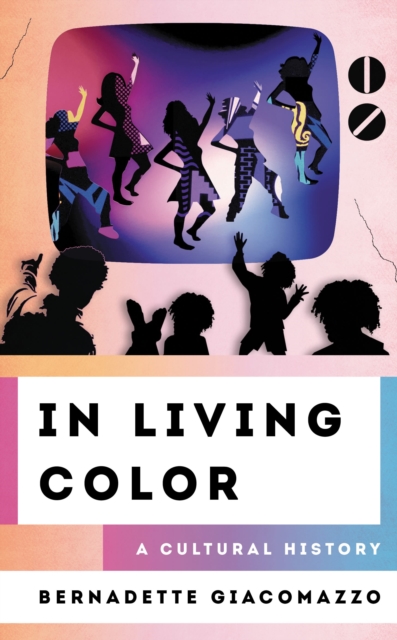
In Living Color
An entertaining yet candid examination of the popular sketch show In Living Color. When the pilot for In Living Color aired for the first time on April 15, 1990, America had never seen anything like it. And they loved it. Over five seasons, the show broke racial, cultural, and comedy boundaries, creating unforgettable sketches that dealt almost exclusively with Black subject matter. In Living Color: A Cultural History celebrates the iconic show and its creators, while also providing a conscientious examination of the sketches themselves. Bernadette Giacomazzo reveals how the show successfully tackled topics that are still salient today, from diversity in Hollywood and workplace racism to mass incarceration and \"blackfishing,\" while other sketches have not aged quite so well. Giacomazzo also looks at how the show helped break the careers of Jamie Foxx, Jim Carrey, and David Alan Grier, amongst others, and how its most infamous sketches—such as Fire Marshall Bill, Homey the Clown, East Hollywood Squares, and Men on Film—helped shape comedy in the twenty-first century. In Living Color was one of the few sketch shows of the 1990s that effectively tackled racial and social issues with humor. It did so more successfully than Saturday Night Live ever did, because, unlike the long-standing late-night show, In Living Color had a largely Black writer's room. This cultural history finally gives the influential show and its creators the recognition they deserve for their role in changing the face of television.
eBook

25 years of 22 minutes : an unauthorized oral history of this hour has 22 minutes, as told by cast members, staff, and guests
\"The final chaotic season of Codco had just wrapped when Mary Walsh sat down at a Toronto bistro with George Anthony, then creative head of CBC TV's arts programming. She'd been thinking about a news-based comedy show-did he think that would fly? He did. That was the early '90s. Twenty-five seasons later, hundreds of thousands of Canadians continue to tune in weekly to This Hour Has 22 Minutes for its unashamedly Canadian, bitingly satirical take on politics and power. 25 Years of 22 Minutes takes readers backstage to hear first-hand accounts of the show's key moments-in the words of the writers, producers, and cast members who were there. Readers will have a front-row seat to the birth of the show-including a crisis that had producers scrambling in the very first episode-and an insider's take on the highs, the lows and the daily grind behind the scenes at 22 Minutes.\"-- Provided by publisher.
Book

Laughing matters
Laughing Matters takes an analytic approach to film, television and radio comedy and provides an accessible overview of its forms and contexts. The introduction explains the value of studying comedy, concisely outlines the approach taken and summarises the relevant theories. The subsequent chapters are divided into two parts. The first part examines the specific forms comedy has taken as a constant and key element in film and broadcast comedy from their origins to the present. The second part shows how the genre gravitates towards contentious issues in British and American culture as it finds humour in the boundaries of class, gender, sexuality, race and logic. The authors cover silent cinema comedy including Chaplin, Lloyd and Keaton, sound film comedies including the Marx Brothers and Laurel and Hardy, Romantic film comedy, radio, television situation and sketch comedy, comedy and genre (including parody and spoof), animations from cartoons to CGI, issues of gender and sexuality from drag comedy to queer reading, issues of taste and humour from Carry On to contemporary 'gross-out' , and issues of race and ethnicity including a case study of African-American screen comedy. Numerous opportunities for following up are highlighted and advice on further reading, writing academically about comedy and an extensive bibliography add to the value of this textbook.
eBook

Strange Bedfellows
It is no coincidence that presidential candidates have been making it a point to add the late-night comedy circuit to the campaign trail in recent years. In 2004, when John Kerry decided it was time to do his first national television interview, he did not choose CBS's60 Minutes, ABC'sNightline,orNBC Nightly News. Kerry picked Comedy Central'sThe Daily Show. When George W. Bush was lagging in the polls, his appearance on theDavid Letterman Showgave him a measurable boost. Candidates for the 2008 presidential election began their late-night bookings almost as soon as they launched their campaigns.
How can this be? The reason is that polls have been consistently finding that a significant number of Americans-and an even larger proportion of those under the age of thirty-get at least some of their \"news\" about politics and national affairs from comedy shows. While this trend toward what some have called \"infotainment\" seems to herald the descent of our national discourse-the triumph of entertainment over substance-the reality, according to Russell L. Peterson, is more complex. He explains that this programming is more than a mere replacement for traditional news outlets; it plays its own role in shaping public perception of government and the political process.
From Johnny Carson to Jon Stewart, from Chevy Chase's spoofing of President Ford onSaturday Night Liveto Stephen Colbert's roasting of President Bush at the White House Correspondents Dinner,Strange Bedfellowsexplores what Americans have found so funny about our political institutions and the people who inhabit them, and asks what this says about the health of our democracy. Comparing the mainstream network hosts-Jay, Dave, Conan, and Johnny before them-who have always strived to be \"equal opportunity offenders\" to the newer, edgier crop of comedians on cable networks, Peterson shows how each brand of satire plays off a different level of Americans' frustrations with politics.
eBook
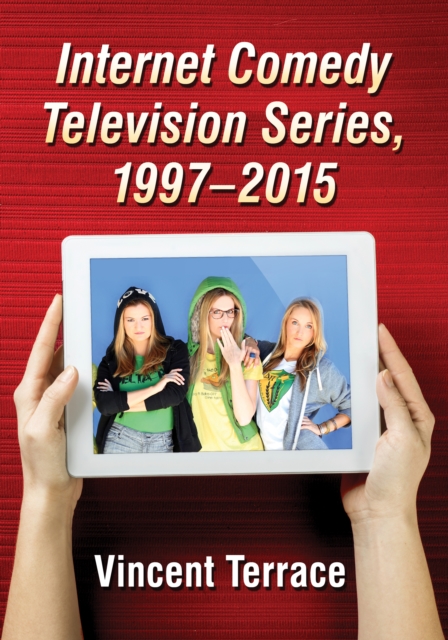
Internet Comedy Television Series, 1997-2015
Created around the world and available only on the web, internet \"\"television\"\" series are independently produced, mostly low budget shows that often feature talented but unknown performers. Typically financed through crowd-funding, they are filmed with borrowed equipment and volunteer casts and crews, and viewers find them through word of mouth or by chance. The fourth in a series covering Internet TV, this book takes a comprehensive look at 1,121 comedy series produced exclusively for online audiences. Alphabetical entries provide websites, dates, casts, credits, episode lists and storylines.
eBook