
Catalogue Search | MBRL


Are you sure you want to remove the book from the shelf?

{{itemTitle}}
10
result(s) for
"Commonwealth Arts Festival"
Sort by:

Performing Multiculturalism: The Commonwealth Arts Festival of 1965
The Commonwealth Arts Festival of 1965 was an important moment of postimperial reengagement. Over three weeks, Britain hosted visual artists, musicians, dancers, poets, and writers representing national cultures, who together presented a diverse Commonwealth assembled in terms of egalitarian multiculturalism. This article examines the investments of individual nations in participating in this festival to argue for the transnational production of multiculturalism at the end of empire. As a postimperial phenomenon, Commonwealth multiculturalism depended on the legibility of distinct national cultures assembled through an equitable framework. Governments sponsored representative cultural forms in response to domestic political circumstances and international economic needs, and against the imperial aesthetic hierarchies of the past. Examining the diverse interests assembled through the festival is essential to understanding the legacies of imperial power for more seemingly democratic frameworks of difference.
Journal Article

Engaging Cultural Ideologies
Engaging Cultural Ideologies offers a recontextualization of the effects of Poland’s cultural practices, especially those concerning issues such as nationalism, elitism, and race, on the genesis and performance of contemporary Polish compositions from 1918 to 1956. Based on extensive archival research that includes the first comprehensive examination of concert programs in Poland as well as a series of case studies focused on composers’ challenges in the midst of nearly constant turmoil, Bylander brings fresh insights into the public and private power struggles concerning artistic freedom that were animated by similar points of contention across seemingly diverse historical eras.
eBook

Delhi and CWG2010: The Games Behind the Games
If Shanghai has the World Expo 2010, Delhi has the Commonwealth Games 2010.
Journal Article
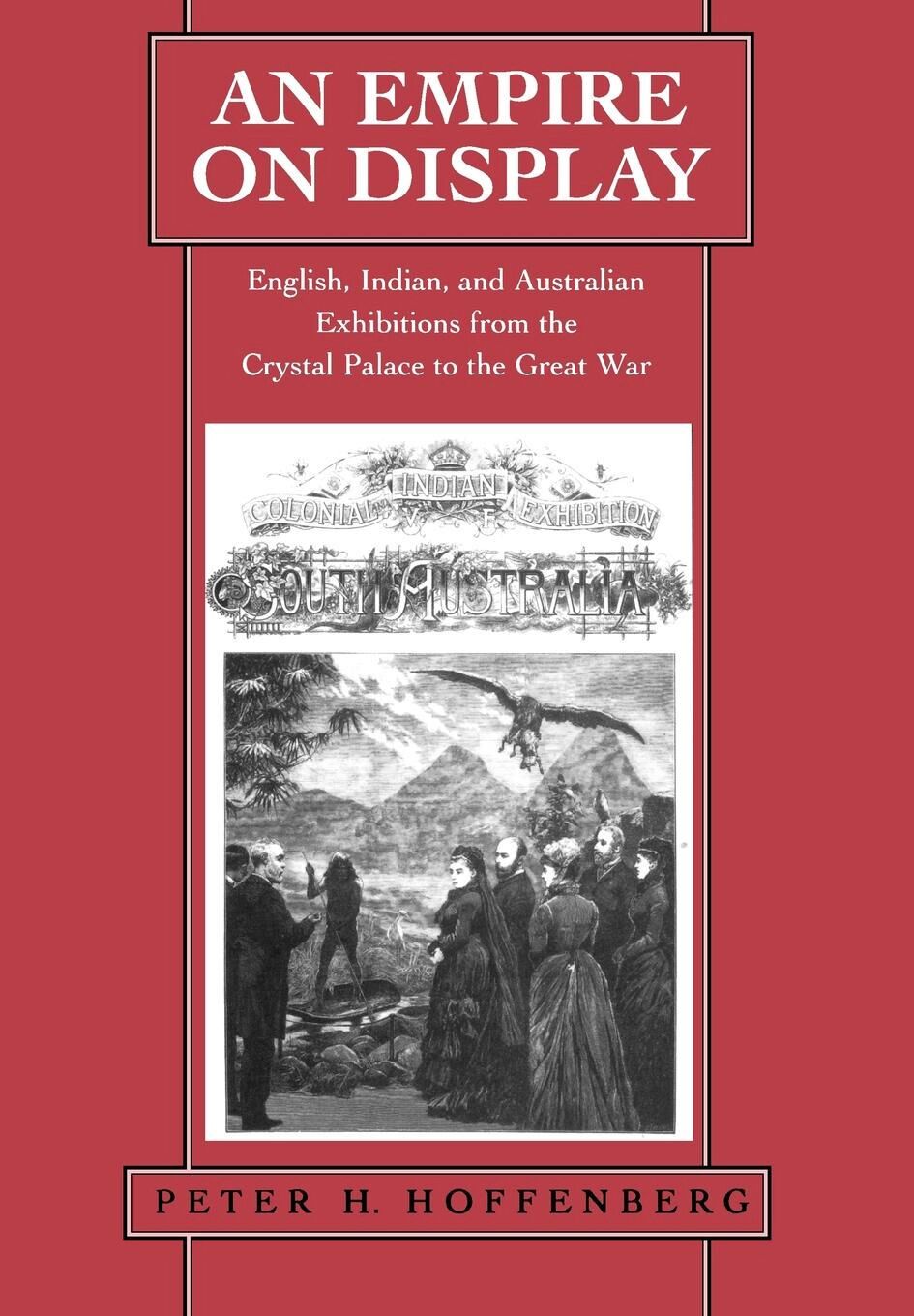
An empire on display : English, Indian, and Australian exhibitions from the Crystal Palace to the Great War
The grand exhibitions of the Victorian and Edwardian eras are the lens through which Peter Hoffenberg examines the economic, cultural, and social forces that helped define Britain and the British Empire. He focuses on major exhibitions in England, Australia, and India between the Great Exhibition of 1851 and the Festival of Empire sixty years later, taking special interest in the interactive nature of the exhibition experience, the long-term consequences for the participants and host societies, and the ways in which such popular gatherings revealed dissent as well as celebration. Hoffenberg shows how exhibitions shaped culture and society within and across borders in the transnational working of the British Empire. The exhibitions were central to establishing and developing a participatory imperial world, and each polity in that world provided distinctive information, visitors, and exhibits. Among the displays were commercial goods, working machines, and ethnographic scenes. Exhibits were intended to promote external commonwealth and internal nationalism. The imperial overlay did not erase significant differences but explained and used them in economic and cultural terms. The exhibitions in cities such as London, Sydney, and Calcutta were living and active public inventories of the Empire and its national political communities. The process of building and consuming such inventories persists today in the cultural bureaucracies, museums, and festivals of modern nation-states, the appeal to tradition and social order, and the actions of transnational bodies. Many titles in the Voices Revived program are also newly available as ebooks, offered at a discounted price to support wider access to scholarly work.
eBook

Now is the time to invest in the arts; History shows it makes sense to inject funds during downturn
The national energy program had been introduced in 1980, and world oil prices started to slide in 1982. In 1983, Edmonton elected a dynamic new mayor, Laurence Decore, who also saw the economic and cultural value in supporting the arts.
Newspaper Article

