
Catalogue Search | MBRL


Are you sure you want to remove the book from the shelf?

{{itemTitle}}
645
result(s) for
"Criminals Rehabilitation United States."
Sort by:

Reentry, desistance, and the responsibility of the state : let them back in
The author asks readers to recognize society's obligations to the punished men and women in America and to reconsider the criminal desistance literature through empowerment and assimilation.
Book

What works in corrections : reducing the criminal activities of offenders and delinquents
What Works in Corrections, first published in 2006, examines the impact of correctional interventions, management policies, treatment and rehabilitation programs on the recidivism of offenders and delinquents. The book reviews different strategies for reducing recidivism and describes how the evidence for effectiveness is assessed. Thousands of studies were examined in order to identify those of sufficient scientific rigor to enable conclusions to be drawn about the impact of various interventions, policies and programs on recidivism. Systematic reviews and meta-analyses were performed to further examine these results. This book assesses the relative effectiveness of rehabilitation programs (e.g., education, life skills, employment, cognitive behavioral), treatment for different types of offenders (e.g. sex offenders, batterers, juveniles), management and treatment of drug-involved offenders (e.g., drug courts, therapeutic communities, outpatient drug treatment) and punishment, control and surveillance interventions (boot camps, intensive supervision, electronic monitoring). Through her extensive research, MacKenzie illustrates which of these programs are most effective and why.
eBook


The Ex-Prisoner's Dilemma
When a woman leaves prison, she enters a world of competing messages and conflicting advice. Staff from prison, friends, family members, workers at halfway houses and treatment programs all have something to say about who she is, who she should be, and what she should do.The Ex-Prisoner's Dilemmaoffers an in-depth, firsthand look at how the former prisoner manages messages about returning to the community.Over the course of a year, Andrea Leverentz conducted repeated interviews with forty-nine women as they adjusted to life outside of prison and worked to construct new ideas of themselves as former prisoners and as mothers, daughters, sisters, romantic partners, friends, students, and workers. Listening to these women, along with their family members, friends, and co-workers, Leverentz pieces together the narratives they have created to explain their past records and guide their future behavior. She traces where these narratives came from and how they were shaped by factors such as gender, race, maternal status, age, and experiences in prison, halfway houses, and twelve-step programs-factors that in turn shaped the women's expectations for themselves, and others' expectations of them. The women's stories form a powerful picture of the complex, complicated human experience behind dry statistics and policy statements regarding prisoner reentry into society for women, how the experience is different for men and the influence society plays.With its unique view of how society's mixed messages play out in ex-prisoners' lived realities,The Ex-Prisoner's Dilemmashows the complexity of these women's experiences within the broad context of the war on drugs and mass incarceration in America. It offers invaluable lessons for helping such women successfully rejoin society.
eBook


Releasing prisoners, redeeming communities : reentry, race, and politics
In the middle of the first decade of the twenty-first century,African Americans made up approximately twelve percent ofthe United States population but close to forty percent of the United States prison population. Now, in the latter half of the decade, the nation is in the midst of the largest multi-year discharge of prisoners in its history. In Releasing Prisoners, Redeeming Communities , Anthony C. Thompson discusses what is likely to happen to these ex-offenders and why.
For Thompson, any discussion of ex-offender reentry is, de facto, a question of race. After laying out the statistics, he identifies the ways in which media and politics have contributed to the problem, especially through stereotyping and racial bias. Well aware of the potential consequences if this country fails to act, Thompson offers concrete, realizable ideas of how our policies could, and should, change.
eBook

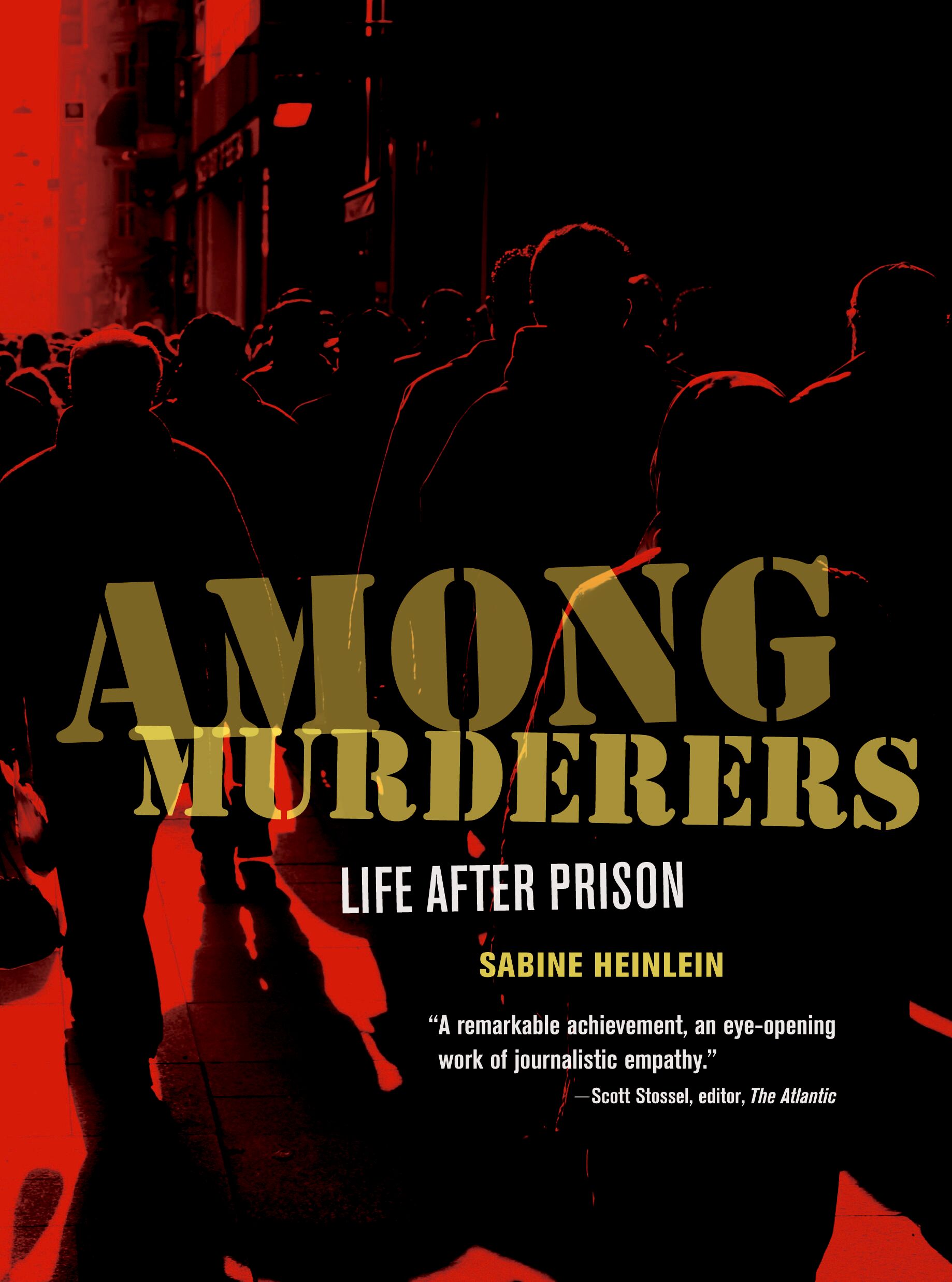
Among murderers
What is it like for a convicted murderer who has spent decades behind bars to suddenly find himself released into a world he barely recognizes? What is it like to start over from nothing? To answer these questions Sabine Heinlein followed the everyday lives and emotional struggles of Angel Ramos and his friends Bruce and Adam—three men convicted of some of society's most heinous crimes—as they return to the free world. Heinlein spent more than two years at the Castle, a prominent halfway house in West Harlem, shadowing her protagonists as they painstakingly learn how to master their freedom. Having lived most of their lives behind bars, the men struggle to cross the street, choose a dish at a restaurant, and withdraw money from an ATM. Her empathetic first-person narrative gives a visceral sense of the men's inner lives and of the institutions they encounter on their odyssey to redemption. Heinlein follows the men as they navigate the subway, visit the barber shop, venture on stage, celebrate Halloween, and loop through the maze of New York's reentry programs. She asks what constitutes successful rehabilitation and how one faces the guilt and shame of having taken someone's life. With more than 700,000 people being released from prisons each year to a society largely unprepared—and unwilling—to receive them, this book provides an incomparable perspective on a pressing public policy issue. It offers a poignant view into a rarely seen social setting and into the hearts and minds of three unforgettable individuals who struggle with some of life's harshest challenges.
eBook


Evaluating the Effectiveness of Correctional Education
After conducting a comprehensive literature search, the authors undertook a meta-analysis to examine the association between correctional education and reductions in recidivism, improvements in employment after release from prison, and other outcomes. The study finds that receiving correctional education while incarcerated reduces inmates' risk of recidivating and may improve their odds of obtaining employment after release from prison.
eBook