
Catalogue Search | MBRL


Are you sure you want to remove the book from the shelf?

{{itemTitle}}
3,400
result(s) for
"Crying"
Sort by:

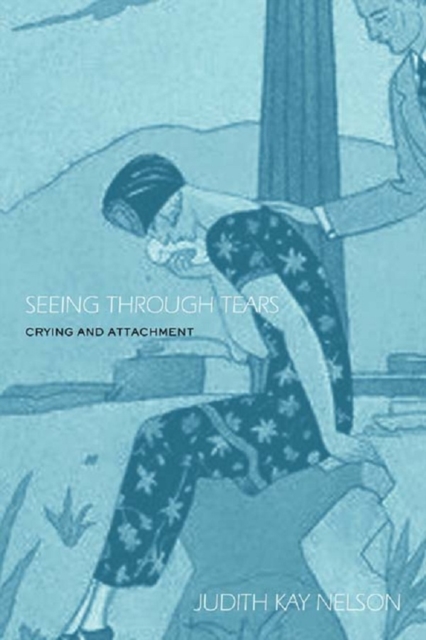
Seeing through tears
Seeing Through Tearsis a groundbreaking examination of crying behavior and the meaning behind our tears. Drawing from attachment theory and her own original research, Judith Nelson presents an exciting new view of crying as a part of our inborn equipment for establishing and maintaining emotional connections. In a comprehensive look at crying through the life cycle, this insightful volume presents a novel theoretical framework before offering useful and practical advice for dealing with this most fundamental of human behaviors.
eBook

Why humans like to cry : tragedy, evolution and the brain
Humans are unique in shedding tears of sorrow. We do not just cry over our own problems: we seek out sad stories, go to film and the theatre to see Tragedies, and weep in response to music. What led humans to develop such a powerful social signal as tears, and to cultivate great forms of art which have the capacity to arouse us emotionally? Friedrich Nietzsche argued that Dionysian drives and music were essential to the development of Tragedy. Here, the neuropsychiatrist Michael Trimble, using insights from modern neuroscience and evolutionary biology, attempts to understand this fascinating and unique aspect of human nature--Book jacket.
Book

Midwives’ perspectives on assessing and managing mothers’ distress related to excessive infant crying in Japan: a qualitative content analysis study
Background
Excessive infant crying poses significant challenges to maternal well-being, often leading to parenting stress and postpartum depression. Midwifery assessment and support for mothers experiencing this distress remain inconsistent, emphasizing the need for evidence-based interventions in postpartum care.
Methods
This qualitative descriptive study recruited five midwives in Japan using a combination of purposive and snowball sampling. Semi-structured interviews were conducted between August and November 2023 to explore their perspectives on assessing and managing maternal distress related to excessive infant crying. Interview transcripts were analyzed using inductive content analysis to identify key assessment categories and nursing care approaches.
Results
Seven assessment categories emerged: (1) Maternal psychological burden, (2) Maternal physical burden, (3) Maternal engagement with excessive crying, (4) Infant physical factors related to excessive crying, (5) Infant sleep disturbances related to irregular routines, (6) Characteristics of crying, and (7) Breastfeeding-related issues. The findings illustrate that midwives provided holistic support by addressing both maternal and infant needs. Midwives offered psychological support to alleviate mothers’ self-blame, promoted family involvement, and provided practical guidance on infant care, such as touch-based interventions and regulating sleep-wake cycles. While all participants acknowledged the necessity of a comprehensive approach, the primary focus of their interventions varied.
Conclusions
This study highlights the role of midwives in identifying and addressing maternal distress during the postpartum period. The findings suggest that excessive crying often stems from an intricate interplay between maternal psychological burdens and infant-specific factors. However, the varied emphasis of interventions underscores the need for structured, evidence-informed midwifery practices to ensure consistent care. Furthermore, this study suggests that many mothers in Japan tend to blame themselves when their infant cries, a reaction that may arise in other cultural contexts. Greater insight into how maternal self-perceptions shape coping strategies across cultures could help develop more effective postpartum care worldwide.
Journal Article

What happens when I cry?
\"Readers learn the different reasons why we cry- whether its dirt in the air or a really strong emotion. They also learn about the parts of the body that make crying possible.\"-- Publisher's website.
Book

Classification of Infant Crying Sounds Using SE-ResNet-Transformer
Recently, emotion analysis has played an important role in the field of artificial intelligence, particularly in the study of speech emotion analysis, which can help understand one of the most direct ways of human emotional communication—speech. This study focuses on the emotion analysis of infant crying. Within cries lies a variety of information, including hunger, pain, and discomfort. This paper proposes an improved classification model using ResNet and transformer. It utilizes modified Mel-frequency cepstral coefficient Mel-frequency cepstral coefficient (MFCC) features obtained through feature engineering from infant cries and integrates SE attention mechanism modules into residual blocks to enhance the model’s ability to adjust channel weights. The proposed method achieved 93% accuracy rate in experiments, offering advantages of shorter training time and higher accuracy compared to other traditional models. It provides an efficient and stable solution for infant cry classification.
Journal Article

Involuntary crying episodes with Susac’s syndrome—a rare presentation of a rare disease: a case report
Background
In this case, we reported the pseudobulbar affect (PBA) in a patient with Susac’s syndrome—a rare condition that was caused by a rare syndrome. Previous case reports of Susac syndrome described psychiatric symptoms such as emotional disturbances or personality changes. Only a few case reports have reported psychiatric disorders in patients with Susac’s syndrome. There were no reported cases of Susac syndrome with PBA as an initial presentation.
Case presentation
Our patient was 56 years old and presented with involuntary crying, left-sided headache, left-sided hearing loss, and tinnitus. Brain MRI showed numerous areas of restricted diffusion and enhancement involving the corpus callosum, bilateral hemispheres, and brainstem. Ophthalmological evaluation showed bilateral branch retinal artery occlusion. She was diagnosed with Susac’s syndrome and PBA. She was treated with cyclophosphamide and dextromethorphan hydrobromide/quinidine sulfate with excellent recovery. This is a 2-year clinical course.
Discussion and conclusions
Recognition of the clinical presentation of Susac’s syndrome and PBA with early diagnosis and treatment are the keys to preventing further disability and impact on patients and their families.
Journal Article

Cry, baby : why our tears matter
\"One of our most private acts, weeping can forge connection. Tears may obscure our vision, but they can also bring great clarity. And in both literature and life, weeping often opens a door to transformation or even resurrection. But many of us have been taught to suppress our emotions and hide our tears. When writer Benjamin Perry realized he hadn't cried in more than ten years, he undertook an experiment: to cry every day. But he didn't anticipate how tears would bring him into deeper relationship with a world that's breaking. Cry, Baby explores humans' rich legacy of weeping--and why some of us stopped. With the keen gaze of a journalist and the vulnerability of a good friend, Perry explores the great paradoxes of our tears. Why do we cry? In societies marked by racism, sexism, and homophobia, who is allowed to cry--and who isn't? And if weeping tells us something fundamental about who we are, what do our tears say? Exploring the vast history, literature, physiology, psychology, and spirituality of crying, we can recognize our deepest hopes and longings, how we connect to others, and the social forces bent on keeping us from mourning. When faced with the private and sometimes unspeakable sorrows of daily life, not to mention existential threats like climate change and systemic racism, we cry for the world in which we long to live. As we reclaim our crying as a central part of being human, we not only care for ourselves and relearn how to express our vulnerable emotions; we also prophetically reimagine the future. Ultimately, weeping can bring us closer to each other and to the world we desire and deserve\"-- Publisher's description.
Book

Do responsive sleep interventions impact mental health in mother/infant dyads compared to extinction interventions? A pilot study
Abstract Methods to improve sleep in infants commonly involve some ignoring (extinction) but are often unpopular with mothers worried about infant distress when left to cry. Alternative more responsive methods are needed. This pilot study evaluated stress, maternal depressive symptomology and sleep in mother/infant dyads, between Responsive, Controlled Crying and Control groups. From 199 mother/infant dyads from any cultural background, 41 infants 4–12 months were randomly allocated to Responsive (RG, n = 15), Controlled Crying (CCG, n = 18) or Controls (Treatment as Usual, TAUG, n = 8), with 10 withdrawing after randomisation. Infant sleep (7-day sleep diaries) and stress (oral cortisol on two nights), maternal self-reported stress (Subjective Units of Distress, SUDS), maternal perceived infant distress (MPI-S) and symptoms of maternal depression (Edinburgh Post-natal Depression Scale, EPDS) were measured four times across 8 weeks. Sleep duration was not different between groups but Responsive woke less (p = .008). There were no differences in cortisol between groups across time points. Maternal SUDS was positively correlated with infant cortisol and MPI-S (p < 0.05) and mothers in the Responsive group were significantly less stressed (p = 0.02) and reported less symptoms of depression (p < 0.05). Findings in this small sample show Responsive methods are comparable to the extinction (Controlled Crying) in sleep outcomes but from a relational and maternal mental health perspective, are less stressful, offering families potential choices of sleep interventions.
Journal Article