
Catalogue Search | MBRL


Are you sure you want to remove the book from the shelf?

{{itemTitle}}
560
result(s) for
"DESIGN / Individual Designers"
Sort by:
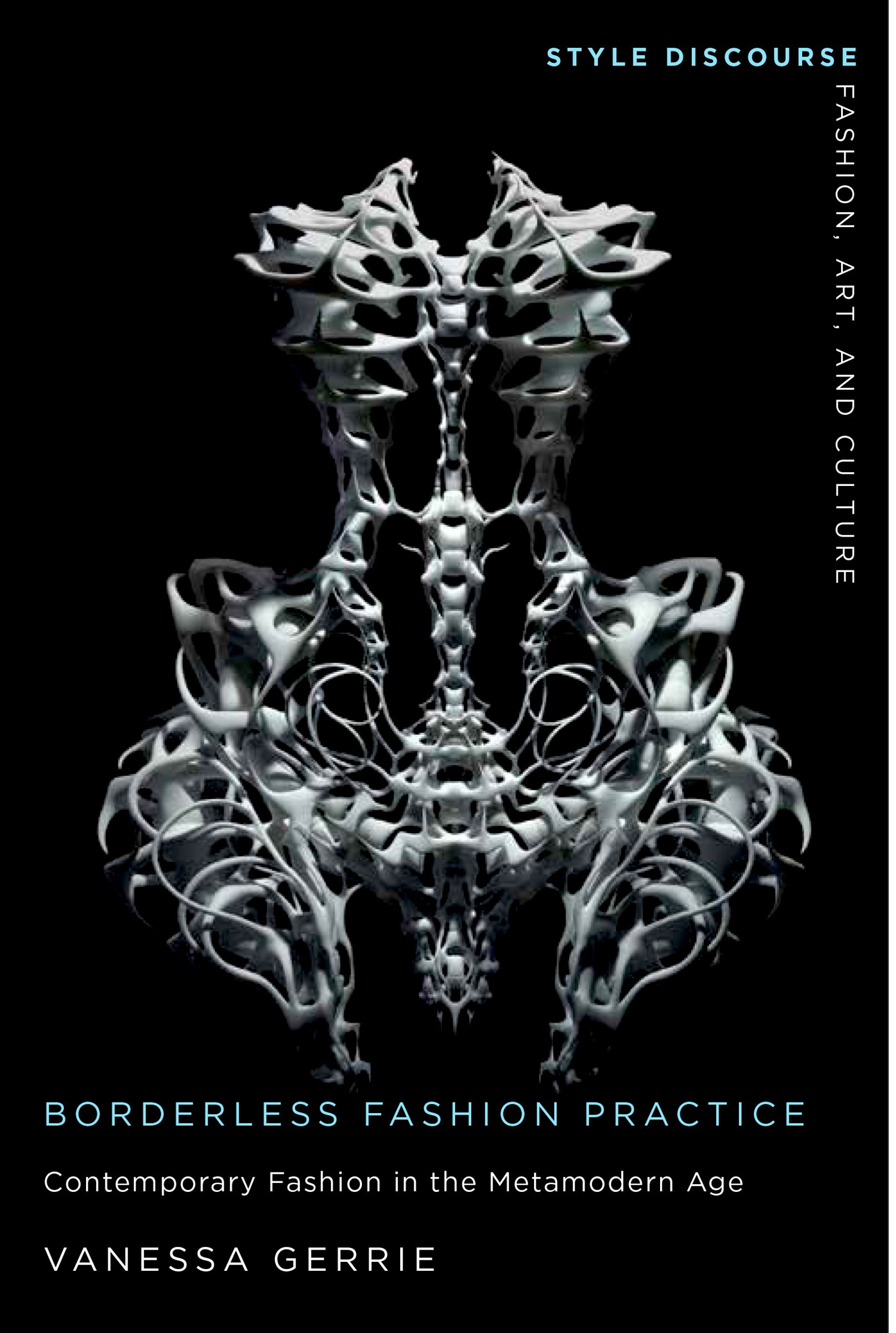
Borderless Fashion Practice
Twenty-first century fashion practice has become increasingly borderless and diverse in the digital era, calling into question the very boundaries that define fashion in the Western cultural context. Borderless Fashion Practice: Contemporary Fashion in the Metamodern Age principally engages the work of four fashion designers -- Virgil Abloh, Aitor Throup, Iris Van Herpen, and Eckhaus Latta -- whose work intersects with other creative disciplines such as art, technology, science, architecture, and graphic design. They do their work in what Vanessa Gerrie calls the metamodern age -- the time and place where the polarization between the modern and the postmodern collapses. Used as a framework to understand the current Western cultural zeitgeist, Gerrie's exploration of the work of contemporary practitioners and theorists finds blurred borders and seeks to blur them further, to the point of erasure.
eBook
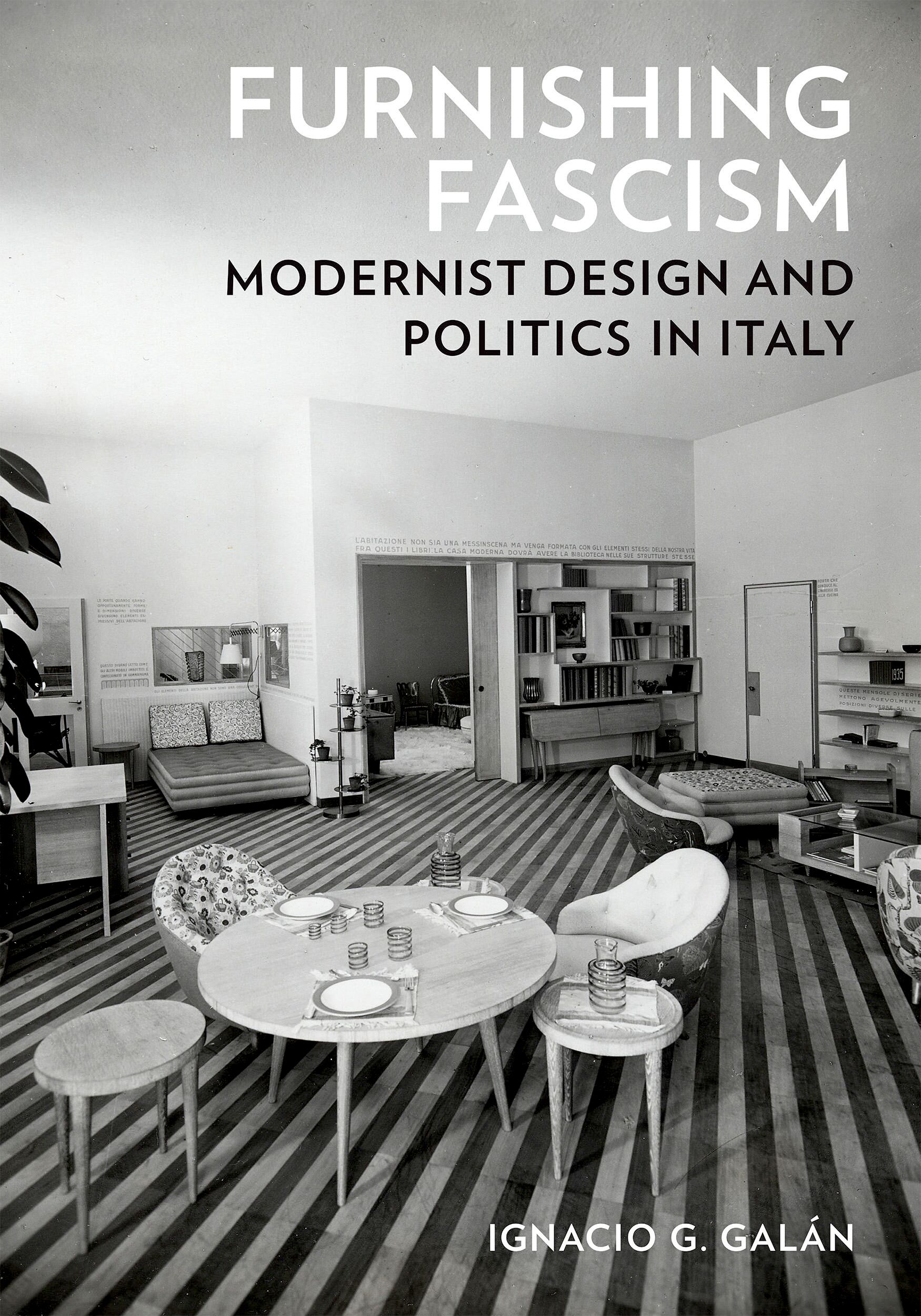
Furnishing Fascism
The role of modernist interior design in the construction of Italian nationalism Along with the rise of Mussolini's fascist regime, the interwar years in Italy also saw the widespread development of its modernist interior design and furnishing practices. While the regime's politics were overtly manifest in monumental government architecture, Furnishing Fascism examines the subtler yet effective role of household goods and decor in the cultivation of Italy's exclusionary sense of national identity. Presenting a fresh look at the work of various architects and designers, including iconic figures such as Gio Ponti and Carlo Enrico Rava, Ignacio G. Galán explores how seemingly neutral products of everyday life contributed to the propagation of fascist ideology. Through extensive promotion in popular magazines and department stores, on the film sets of Cinecittà Studios, and throughout the country's colonial territories, Italy's modernist design practices were part of a larger political project that aimed to produce a totalizing image of cultural hegemony. Interweaving design theory, architectural history, and media scholarship, Furnishing Fascism reexamines the period's so-called minor arts to reveal the political entanglement of modernism in early twentieth-century Italy and offers valuable insight into the complications of cultural production under the auspices of authoritarian power. Retail e-book files for this title are screen-reader friendly with images accompanied by short alt text and/or extended descriptions.
eBook
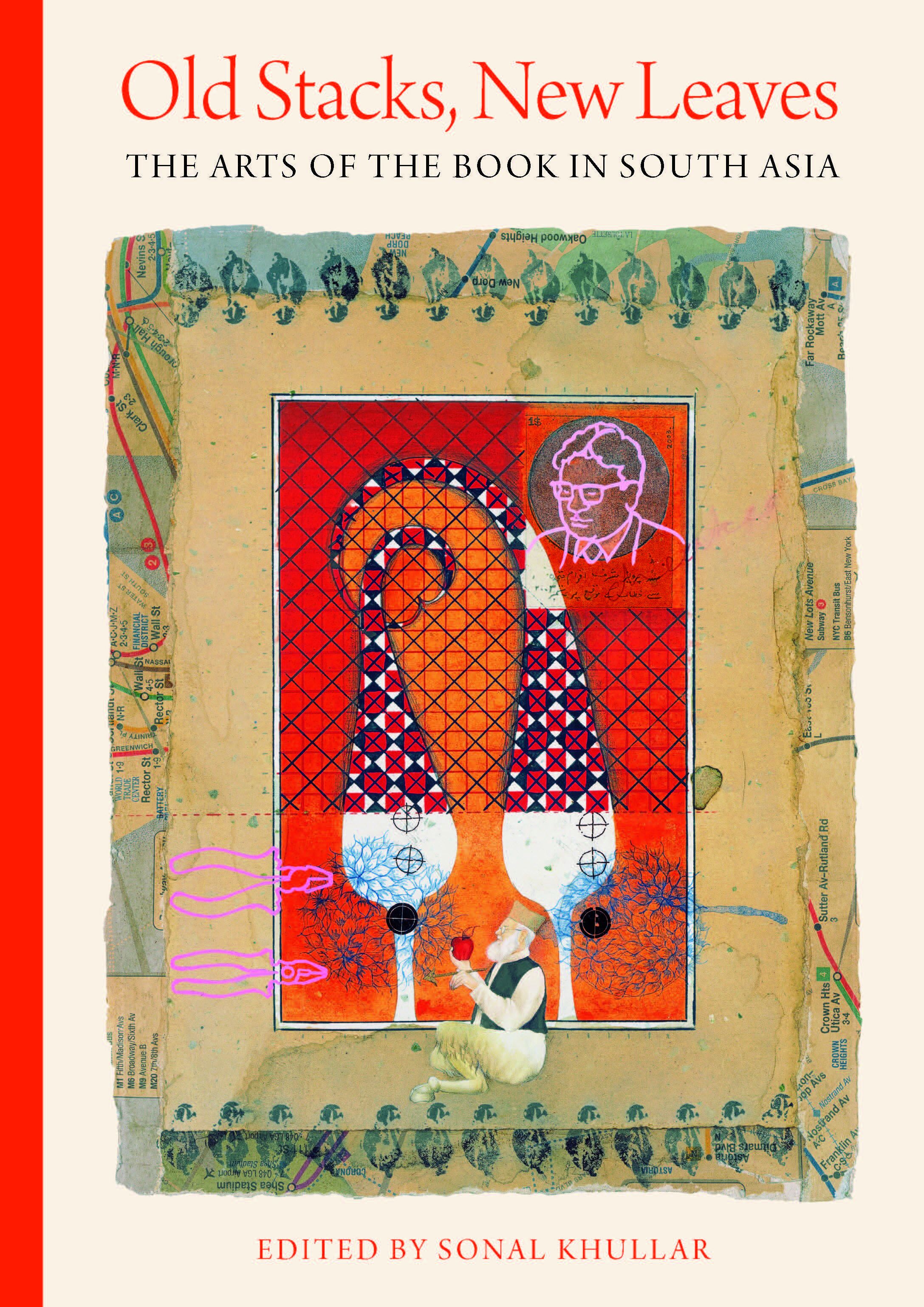
Old Stacks, New Leaves
A deep dive into the visual forms, material contexts, social lives, and global circulations of booksIn the twenty-first century, debates on the future of books and print culture have intensified with the rise of digital technologies, and the contemporary art world has witnessed an explosion of interest in the book form. Amid this artistic and intellectual activity, there has been little scrutiny of book arts in South Asia and their particular ontologies, histories, and genealogies. This volume weaves together scholarly essays, original artistic projects, and works of creative nonfiction to trace a history of illustrated books in South Asia from 1100 CE to the present.From Nepalese palm-leaf manuscripts and imperial Mughal albums to lithographed cookbooks and mimeographed magazines, contributors examine a diverse range of materials rarely, if ever, studied together. Thematically organized, the chapters stage a critical dialogue between artists and scholars, emphasizing the visual, material, aesthetic, and phenomenological dimensions of books. Against narratives of the death of books in a digital age, this volume argues for the book as a vital form and dynamic practice. Written in a lucid and lively style, it will be of interest to scholars, curators, artists, critics, students, museum visitors, and readers of contemporary comics and graphic novels.
eBook
Empire of Style
Tang dynasty (618-907) China hummed with cosmopolitan trends. Its capital at Chang'an was the most populous city in the world and was connected via the Silk Road with the critical markets and thriving cultures of Central Asia and the Middle East. In Empire of Style, BuYun Chen reveals a vibrant fashion system that emerged through the efforts of Tang artisans, wearers, and critics of clothing. Across the empire, elite men and women subverted regulations on dress to acquire majestic silks and au courant designs, as shifts in economic and social structures gave rise to what we now recognize as precursors of a modern fashion system: a new consciousness of time, a game of imitation and emulation, and a shift in modes of production.This first book on fashion in premodern China is informed by archaeological sources-paintings, figurines, and silk artifacts-and textual records such as dynastic annals, poetry, tax documents, economic treatises, and sumptuary laws. Tang fashion is shown to have flourished in response to a confluence of social, economic, and political changes that brought innovative weavers and chic court elites to the forefront of history.Art History Publication Initiative. For more information, visit http://arthistorypi.org/books/empire-of-style
eBook

Harley Parker
Genosko uncovers the legacy of Harley Parker (1915-1992), Canadian museum exhibition designer, typographer, and painter, and explores his innovative concepts reshaping museums as perceptual laboratories.
eBook

The Culture Box
In this critical edition of a manuscript previously thought lost, Parker applies McLuhan's medium theory and reimagines museums as catalysts for cultural engagement and empathy.
eBook
Teaching Research in Design
Since the 1990s, the concern to define areas of research in design has dominated academic debates.As a result, we are now facing a multitude of understandings.This is especially true for practice-based design research.
eBook
Design in the Age of Change
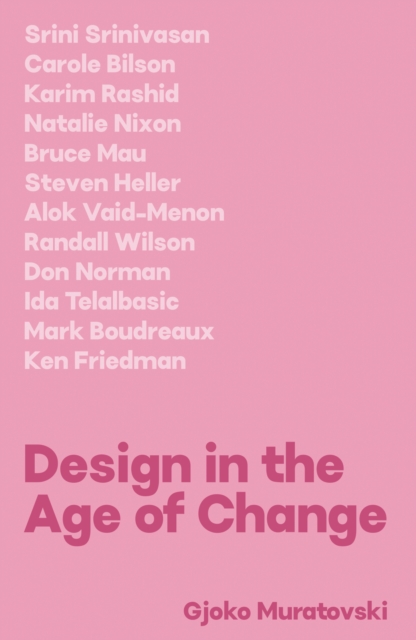
Change is inevitable. This is the only constant in our lives. Yet, change is also something that we fear. We seek comfort in the familiar, in routines and in conventions. We are afraid of things that we don't know or we don't understand. We fear change because we don't know how change will affect us. Change, however, is necessary for progress. Sometimes, change happens naturally due to circumstances beyond our control, and sometimes we initiate change because we can or because we must. In 2020, we experienced the biggest change of our lifetimes. For a brief moment in history, the world came to a halt. Then, everything changed. Many things that we used to take for granted no longer applied. We experienced major disruptions to our daily lives. As if in some kind of perfect storm, so many things happened all at once – global pandemic, social inequalities, climate change, racial injustices, riots and unrests, gender struggles and rapid advances of new technologies. This book started to take shape in the midst of it all, and in a way, it is a time capsule of how we experienced the birth of what became known as the 'new normal'. Designers are the kind of people who thrive in times of change. In fact, it is their job to create change. The nature of their job is such that they have to take an existing situation and change it into a better, or a more preferred situation. Some do this by relying on their imagination and personal experiences, and some use evidence-based research to inform their work. Regardless of this, many share the belief that they can somehow make the world a better place – on a micro or a macro level. During this period of massive change, Gjoko Muratovski invited ten highly influential design figures – including iconic design leaders such as Carole Bilson, Karim Rashid, Bruce Mau, Steven Heller and Don Norman – to reflect on the state of things today. In return, each one of them shares a highly personal account on why change is good. The book also features a foreword written by the president of the World Design Organisation (WDO), Srini Srinisavan, and a conclusion by one of the greatest design philosophers of our time, Ken Friedman. By looking to the past and reflecting on the present, these designers project very personal images of the future that they would like to see. The conversations are very broad, and they cover highly diverse topics. From the effects of the pandemic, to issues of race and gender, notions of beauty, technology and industry, to global and local economies, politics, power, privilege and the importance of community. A 'must-read' for anyone interested in how designers and design can change the world. Gjoko Muratovski is a university executive, award-winning designer and innovation consultant working with leading organisations, Fortune 500 companies and governments from around the world, and a fellow of the Design Research Society.
eBook

Manliness in Britain, 1760–1900
This book offers an innovative account of manliness in Britain between 1760 and 1900. Using diverse textual, visual and material culture sources, it shows that masculinities were produced and disseminated through men’s bodies –often working-class ones – and the emotions and material culture associated with them. The book analyses idealised men who stimulated desire and admiration, including virile boxers, soldiers, sailors and blacksmiths, brave firemen and noble industrial workers. It also investigates unmanly men, such as drunkards, wife-beaters and masturbators, who elicited disgust and aversion. Unusually, Manliness in Britain runs from the eras of feeling, revolution and reform to those of militarism, imperialism, representative democracy and mass media, periods often dealt with separately by historians of masculinities.
eBook