
Catalogue Search | MBRL


Are you sure you want to remove the book from the shelf?

{{itemTitle}}
205,588
result(s) for
"DEVELOPMENT PROGRAMME"
Sort by:


Agriculture and environment: friends or foes? Conceptualising agri-environmental discourses under the European Union’s Common Agricultural Policy
The European Union’s common agricultural policy (CAP), in addition to its primary production and farm income goals, is a large source of funding for environmentally friendly agricultural practices. However, its schemes have variable success and uptake across member states (MS) and regions. This study tries to explain these differences by demonstrating differences between policy levels in the understanding of the relationship between nature and farming. To compare constructs and values of the respective policy communities, their discursive construction as it appears in the main strategic EU and MS agricultural policy documents is analysed. The theoretical framework integrates elements from existing frameworks of CAP and environmental discourse analysis; specific agri-environmental discourses, their elements and interplay, are identified. The six discourses suggested here are ‘Productivism’, ‘Classical neoliberal’, ‘Ecological modernisation’, ‘Administrative’, ‘Multifunctionality’ and ‘Radical green’. The discourse analysis of selected documents reveals that there are indeed differences in how farming and the environment are generally conceptualised at different levels of CAP decision-making. At EU level, farming is primarily understood as a sector whose main task is to produce food (‘Productivism’), and the environment is used as a justification for CAP payments (‘Multifunctionality’). At the national/regional level, Rural Development Programmes reflect different value systems: in England, environmental protection is mainly seen as sound management of natural capital (‘Classical neoliberal’); in Finland, a benefit for producers and conscious consumers (‘Ecological modernisation’); in Croatia, a necessity limiting productivity (‘Productivism’) and imposed by an external authority (‘Administrative’ discourse). This diversity shows that differences can visibly manifest despite the Commission constraining the discursive space, helping to explain the differential implementation and success of environmental measures.
Journal Article

Organisational learning and sustainable tourism: the enabling role of digital transformation
Purpose
Organisational learning drives tourism organisations towards more sustainable tourism. Digital transformation also provides opportunities for sustainable tourism development. This study aims to combine these perspectives and explore how digital transformation enables organisational learning to contribute to sustainable tourism, following organisational learning theory (OLT).
Design/methodology/approach
Based on a critical realist paradigm, this study focuses on developing an in-depth understanding of organisational learning in tourism organisations. Thirty qualitative interviews with tourism organisations participating in an executive development programme (EDP) show how tourism organisations create, retain and transfer knowledge.
Findings
This study demonstrates that the EDP initiates knowledge creation through content transmission and exchange, triggers knowledge retention through utilisation of digital technologies and reinforces digitalisation through data value creation. Furthermore, this study enables knowledge transformation as implementation, which contributes to the three pillars of sustainable tourism and facilitates the development of networks encouraging sustainable tourism.
Originality/value
This study identifies approaches that enable economic, social and environmentally sustainable tourism development by facilitating collaborations via digital transformation, digital technologies that guide guest streams, online mobility offers and online environmental awareness campaigns that reduce environmental impacts. Thus, this study strengthens OLT and has implications for organisational learning and tourism policymakers.
Journal Article


Sleep Education Improves the Sleep Duration of Adolescents: A Randomized Controlled Pilot Study
Purpose:
To determine the feasibility and pilot a sleep education program in New Zealand high school students.
Methods:
A parallel, two-arm randomized controlled pilot trial was conducted. High school students (13 to 16 years) were randomly allocated to either a classroom-based sleep education program intervention (n = 15) or to a usual curriculum control group (n = 14). The sleep education program involved four 50-minute classroom-based education sessions with interactive groups. Students completed a 7-day sleep diary, a sleep questionnaire (including sleep hygiene, knowledge and problems) at baseline, post-intervention (4 weeks) and 10 weeks follow-up.
Results:
An overall treatment effect was observed for weekend sleep duration (
F
1,24
= 5.21, p = 0.03). Participants in the intervention group slept longer during weekend nights at 5 weeks (1:37 h:min, p = 0.01) and 10 weeks: (1:32 h:min, p = 0.03) compared to those in the control group. No differences were found between groups for sleep duration on weekday nights. No significant differences were observed between groups for any of the secondary outcomes (sleep hygiene, sleep problems, or sleep knowledge).
Conclusions:
A sleep education program appears to increase weekend sleep duration in the short term. Although this program was feasible, most schools are under time and resource pressure, thus alternative methods of delivery should be assessed for feasibility and efficacy. Larger trials of longer duration are needed to confirm these findings and determine the sustained effect of sleep education on sleep behavior and its impact on health and psychosocial outcomes.
Commentary:
A commentary on this article appears in this issue on page 793.
Citation:
Kira G, Maddison R, Hull M, Blunden S, Olds T. Sleep education improves the sleep duration of adolescents: a randomized controlled pilot study.
J Clin Sleep Med
2014;10(7):787–792.
Journal Article
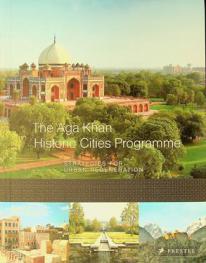
The Aga Khan Historic Cities Programme : strategies for urban regeneration
The extraordinary accomplishments of the Aga Khan Historic Cities Programme are celebrated in this generously illustrated volume that includes hundreds of photographs, maps, and drawings along with informative text, offering fascinating insight into the built environment of Muslim societies around the world. The Aga Khan Historic Cities Programme promotes the conservation and re-use of buildings and public spaces in historic cities in the Muslim World as a catalyst to improving the quality of life of their inhabitants. This book presents more than 30 case studies that illustrate the Programme's efforts to spur social, economic, and cultural development in sustainable ways. In countries such as Afghanistan, Egypt, India, Mali, Pakistan, Syria, Tajikistan and Tanzania the Historic Cities Programme has gone beyond restoration to address the questions of the social and environmental context, adaptive re-use, institutional sustainability and training. Recent photographs filled with brilliant detail; precise maps, drawings and technical data; and expert essays on urban planning, collaborative networks, parks and gardens, and sustainability are included in this exciting book on the work of one of the Muslim world's most successful proponents of cultural conservation. -- Book Description.
Book

Comparison of Program-centric vs Student-centric National Resident Matching Algorithms
The current program-centric algorithm for the National Resident Matching Program (NRMP) primarily uses the program's ranking of students to determine a match. Concerns that the existing algorithm favors programs over students, recent findings that the program's ranking of applicants is not associated with resident performance, and disruptions of existing screening methods and metrics have prompted reevaluation of the current algorithm relative to a student-centric algorithm, in which student ranking of programs is primary and program ranking of students is secondary.
To compare program-centric and student-centric algorithms for the NRMP participants.
This cross-sectional study used randomized computer-generated data reflecting the NRMP match for 2018, 2019, and 2020, capturing more than 50 000 students and more than 4000 programs in 23 specialties, to compare the 2 algorithms.
The same simulated students, programs, and rankings were exposed to the 2 algorithms, running 2300 simulations in the overall analysis and 1000 simulations in each of 23 specialties.
The percentage of students who did and did not match, the percentage of students who matched to their top-ranked and top-5-ranked programs, and the program's rank of the last student matched per position were examined.
The 2 algorithms were not different in percentage of students matched overall (eg, for 2020, program-centric: 59% [95% CI, 57%-61%]; student-centric: 58% [95% CI, 56%-60%]; P = .73). The student-centric algorithm, relative to the program-centric algorithm, matched a significantly higher percentage of students to their first-ranked program (eg, for 2020, 50% [95% CI, 48%-52%] vs 14% [95% CI, 13%-15%]; P < .001) and to their top-5-ranked programs (eg, for 2020, 60% [95% CI, 58%-62%] vs 46% [95% CI, 44%-48%]; P < .001). However, the last position was filled with students who had lower program rankings in the student-centric algorithm vs the program-centric algorithm (2 [95% CI, 1-2] vs 8 [95% CI, 6-10]; P < .001).
In this study, the 2 algorithms were not different in the percentage of students matched overall. However, the student-centric algorithm matched a significantly higher percentage of students to their preferred programs. The program-centric algorithm was associated with a lower program's last matched student rank. Further research is needed on the algorithms' associations with cost and time demands in the match, postmatch resident and program performance, and fit with a changing environment.
Journal Article


Defining Health Movements and Health Needs Across the Life Course: A Qualitative Study
Background In an effort to improve population health, communities are being enabled to take charge of their health through the Movements for Health (M4H) programme in Singapore. The present study seeks to understand what characterises a health movement and explores health narratives which resonate over the different life stages. Methods A multi‐component qualitative formative study was undertaken. Focus group discussions (FGDs, n = 12) and one semi‐structured interview (altogether involving n = 52 individuals) were carried out with government and community implementation stakeholders, alongside go‐along interviews (n = 24, involving 11 volunteers, 13 programme participants) and e‐diaries (n = 37, with 22 programme participants and 15 volunteers). Results Themes are reported in bold, with subthemes in italics. Health movement building was defined as an evolving process marked by co‐creation, emotional investment and framed by a shared understanding founded on explicit theory. Furthermore, health movements were characterised as taking root in the community, needing a shared ‘cause’ to be self‐sustaining. They should be able to garner momentum and be replicable, and thus ultimately far‐reaching and inclusive of all walks of life. Themes cross‐cutting life stages include concerns about chronic illness, which are not limited to seniors. Positive role modelling is crucial in encouraging hesitant participants towards healthier behaviours. Additionally, the importance of building supportive, emotional connections with implementers was emphasised. Priority areas for changing health behaviours and informing health literacy planning across various life stages have also been identified. For youths, mental health struggles, such as mood regulation issues, are prevalent and often exacerbated by parental invalidation. Adults tend to deprioritize social health due to responsibilities like breadwinning and childminding, coping through social connections forged among programme participants. Seniors expressed trepidation regarding their physical health, fearing a loss of independence and verbalising how limited mobility affects their ability to exercise and socialise. Conclusion The present study has provided insights into the early phases of the novel M4H community‐led programmatic approach. Our findings defined health movements and health needs across the life course, whilst expanding on related theoretical and applied community development traditions. Patient or Public Contribution This study mixes participatory data (i.e. go‐along interviews) with other qualitative data to provide insights into the co‐creation process of health movement building. The study also adopted a user‐centred approach, and the content appropriateness of the programmes was fed back to the community‐level implementers (i.e. Community Movement Champions [CMCs]) and the M4H administrating committee to inform future programming. Future CMCs have taken up the recommendations extracted from stakeholder engagement, where components on sleep, mental health, etc., have been added. Community coaches and commissioning stakeholders are involved in authorship.
Journal Article