
Catalogue Search | MBRL


Are you sure you want to remove the book from the shelf?

{{itemTitle}}
535,824
result(s) for
"DNA - genetics"
Sort by:

DNA : the story of the genetic revolution
\"James D. Watson, the Nobel laureate whose pioneering work helped unlock the mystery of DNA's structure, charts the greatest scientific journey of our time, from the discovery of the double helix to today's controversies to what the future may hold. [This edition has been] updated to include new findings in gene editing, epigenetics, agricultural chemistry, as well as two entirely new chapters on personal genomics and cancer research\"--Provided by publisher.
BOOK

BRCA2 associates with MCM10 to suppress PRIMPOL-mediated repriming and single-stranded gap formation after DNA damage
The BRCA2 tumor suppressor protects genome integrity by promoting homologous recombination-based repair of DNA breaks, stability of stalled DNA replication forks and DNA damage-induced cell cycle checkpoints. BRCA2 deficient cells display the radio-resistant DNA synthesis (RDS) phenotype, however the mechanism has remained elusive. Here we show that cells without BRCA2 are unable to sufficiently restrain DNA replication fork progression after DNA damage, and the underrestrained fork progression is due primarily to Primase-Polymerase (PRIMPOL)-mediated repriming of DNA synthesis downstream of lesions, leaving behind single-stranded DNA gaps. Moreover, we find that BRCA2 associates with the essential DNA replication factor MCM10 and this association suppresses PRIMPOL-mediated repriming and ssDNA gap formation, while having no impact on the stability of stalled replication forks. Our findings establish an important function for BRCA2, provide insights into replication fork control during the DNA damage response, and may have implications in tumor suppression and therapy response.
Tumor suppressor BRCA2 is known to stabilize and restart stalled DNA replication forks. Here the authors show that BRCA2 is recruited to the replication fork through its interaction with MCM10 and inhibits Primase-Polymerase-mediated repriming, lesion bypass and single strand DNA gap formation after DNA damage.
Journal Article

Genetics
\"Learn all about the history of genetics research, from how scientists began studying genes to how their discoveries affect our lives today.\"-- Provided by publisher.
Book

Regulatory R-loops as facilitators of gene expression and genome stability
R-loops are three-stranded structures that harbour an RNA–DNA hybrid and frequently form during transcription. R-loop misregulation is associated with DNA damage, transcription elongation defects, hyper-recombination and genome instability. In contrast to such ‘unscheduled’ R-loops, evidence is mounting that cells harness the presence of RNA–DNA hybrids in scheduled, ‘regulatory’ R-loops to promote DNA transactions, including transcription termination and other steps of gene regulation, telomere stability and DNA repair. R-loops formed by cellular RNAs can regulate histone post-translational modification and may be recognized by dedicated reader proteins. The two-faced nature of R-loops implies that their formation, location and timely removal must be tightly regulated. In this Perspective, we discuss the cellular processes that regulatory R-loops modulate, the regulation of R-loops and the potential differences that may exist between regulatory R-loops and unscheduled R-loops.R-loops (three-stranded RNA–DNA structures) are often associated with transcription defects, DNA damage and genome instability, but ‘regulatory’ R-loops can promote gene regulation, telomere stability and DNA repair. This dual functionality of R-loops requires tight control of their formation, location and timely removal.
Journal Article

Blueprint : how DNA makes us who we are
In 'Blueprint', behavioral geneticist Robert Plomin describes how the DNA revolution has made DNA personal by giving us the power to predict our psychological strengths and weaknesses from birth. A century of genetic research shows that DNA differences inherited from our parents are the consistent lifelong sources of our psychological individuality--the blueprint that makes us who we are. This, says Plomin, is a game-changer. It calls for a radical rethinking of what makes us who were are.
Book

Necroptosis microenvironment directs lineage commitment in liver cancer
Primary liver cancer represents a major health problem. It comprises hepatocellular carcinoma (HCC) and intrahepatic cholangiocarcinoma (ICC), which differ markedly with regards to their morphology, metastatic potential and responses to therapy. However, the regulatory molecules and tissue context that commit transformed hepatic cells towards HCC or ICC are largely unknown. Here we show that the hepatic microenvironment epigenetically shapes lineage commitment in mosaic mouse models of liver tumorigenesis. Whereas a necroptosis-associated hepatic cytokine microenvironment determines ICC outgrowth from oncogenically transformed hepatocytes, hepatocytes containing identical oncogenic drivers give rise to HCC if they are surrounded by apoptotic hepatocytes. Epigenome and transcriptome profiling of mouse HCC and ICC singled out
Tbx3
and
Prdm5
as major microenvironment-dependent and epigenetically regulated lineage-commitment factors, a function that is conserved in humans. Together, our results provide insight into lineage commitment in liver tumorigenesis, and explain molecularly why common liver-damaging risk factors can lead to either HCC or ICC.
The tumour microenvironment determines which type of liver cancer develops, with transformed hepatocytes giving rise to intrahepatic cholangiocarcinoma or hepatocellular carcinoma depending or whether they are surrounded by cells undergoing necroptosis or apoptosis.
Journal Article


A Rad51-independent pathway promotes single-strand template repair in gene editing
The Rad51/RecA family of recombinases perform a critical function in typical repair of double-strand breaks (DSBs): strand invasion of a resected DSB end into a homologous double-stranded DNA (dsDNA) template sequence to initiate repair. However, repair of a DSB using single stranded DNA (ssDNA) as a template, a common method of CRISPR/Cas9-mediated gene editing, is Rad51-independent. We have analyzed the genetic requirements for these Rad51-independent events in Saccharomyces cerevisiae by creating a DSB with the site-specific HO endonuclease and repairing the DSB with 80-nt single-stranded oligonucleotides (ssODNs), and confirmed these results by Cas9-mediated DSBs in combination with a bacterial retron system that produces ssDNA templates in vivo . We show that single strand template repair (SSTR), is dependent on Rad52, Rad59, Srs2 and the Mre11-Rad50-Xrs2 (MRX) complex, but unlike other Rad51-independent recombination events, independent of Rdh54. We show that Rad59 acts to alleviate the inhibition of Rad51 on Rad52’s strand annealing activity both in SSTR and in single strand annealing (SSA). Gene editing is Rad51-dependent when double-stranded oligonucleotides of the same size and sequence are introduced as templates. The assimilation of mismatches during gene editing is dependent on the activity of Msh2, which acts very differently on the 3’ side of the ssODN which can anneal directly to the resected DSB end compared to the 5’ end. In addition DNA polymerase Polδ’s 3’ to 5’ proofreading activity frequently excises a mismatch very close to the 3’ end of the template. We further report that SSTR is accompanied by as much as a 600-fold increase in mutations in regions adjacent to the sequences directly undergoing repair. These DNA polymerase ζ-dependent mutations may compromise the accuracy of gene editing.
Journal Article
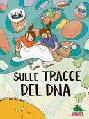
Sulle tracce del DNA
\"\"On the trail of DNA\" (Sulle tracce del DNA, Editoriale Scienza, 2020) is my first book as a sole author. It's about two girls ...and a chick, exploring the cell to find out more about DNA and the genetic code.\"--www.claudiaflandoli.com.

HSV-1 DNA Replication—Coordinated Regulation by Viral and Cellular Factors
DNA replication is an integral step in the herpes simplex virus type 1 (HSV-1) life cycle that is coordinated with the cellular DNA damage response, repair and recombination of the viral genome, and viral gene transcription. HSV-1 encodes its own DNA replication machinery, including an origin binding protein (UL9), single-stranded DNA binding protein (ICP8), DNA polymerase (UL30), processivity factor (UL42), and a helicase/primase complex (UL5/UL8/UL52). In addition, HSV-1 utilizes a combination of accessory viral and cellular factors to coordinate viral DNA replication with other viral and cellular processes. The purpose of this review is to outline the roles of viral and cellular proteins in HSV-1 DNA replication and replication-coupled processes, and to highlight how HSV-1 may modify and adapt cellular proteins to facilitate productive infection.
Journal Article