
Catalogue Search | MBRL


Are you sure you want to remove the book from the shelf?

{{itemTitle}}
2,253
result(s) for
"Depression Case Reports."
Sort by:

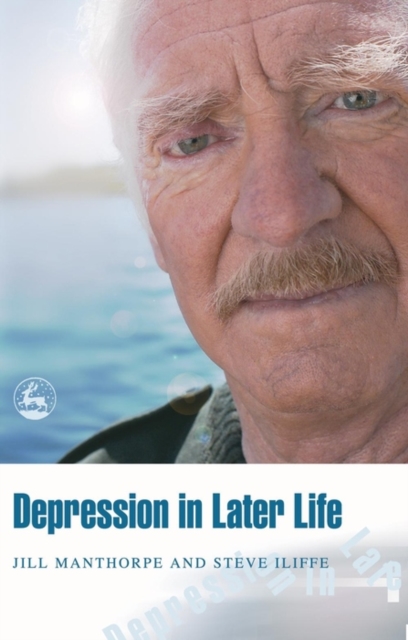
Depression in Later Life
The authors take a multidisciplinary approach and employ both medical and psycho-social models of depression. The medical model is used to identify symptoms, make diagnoses and work towards optimal treatment. Psycho-social perspectives provide insight into the scale and complexity of the condition and point to its social causes.
eBook

Case Report
A majority of older adults with hip fracture retain longstanding disabilities following surgery. Research suggests that more aggressive treatment techniques can improve outcome. The purpose of this case report is to describe an evidence-based approach to guide physical therapy examination and intervention for a woman with significant frailty recovering from hip fracture.
The patient is a 97-year-old woman residing in a skilled nursing facility 3 months status-postsurgical repair of an intertrochanteric hip fracture. She had received 2 1/2 months of physical therapy care using conventional interventions, however, had not regained her prefracture mobility status. She agreed to participate in a progressive high-intensity resistance training program over a 2-month period to augment her lower-extremity strength and function. The 5-day training regimen emphasized resistance training with a weighted belt twice-weekly with endurance and balance training interposed on nonstrength training days. The patient's goal was to return to community dwelling.
Lower-extremity isometric force was measured using handheld dynamometry. Functional mobility was assessed via Timed Up and Go, Six-Minute Walk, Berg Balance, and gait speed tests. A 9-item Physical Performance Test gauged degree of frailty.
Hip extension, hip abduction, and knee extension isometric force scores on the involved lower-extremity increased by 8 kg, 3 kg, and 7 kg, respectively. Balance, frailty, and gait speed indices improved from 14 to 45, 8 to 18, and 0.50 to 0.83 m/s, respectively.
Prescribed high-intensity resistance training was used to improve the patient's functional status 2 months after completing a conventional physical therapy program.
Journal Article

Inflammatory biomarkers and perinatal depression: A systematic review
Approximately 10 to 20% of pregnant women worldwide experience perinatal depression (PND), a depressive episode with onset during pregnancy or after childbirth. We performed a systematic review to identify, summarize and discuss studies on inflammatory biomarkers described in relation to PND.
Inclusion criteria defined the selection of observational studies written in English, French, Spanish or Portuguese, that evaluate analytical levels of inflammatory molecules (protein levels) in biological fluids in women, with a diagnosis of depression using ICD/DSM diagnostic criteria or depressive symptoms assessed by standardized psychometric instruments, during pregnancy and/or postpartum. Case reports, experimental studies, reviews, qualitative analysis, meta-analysis, gray literature or replicated data were excluded. Three electronic databases were used for search (Pubmed, Web of Science and PsychInfo) and quality assessment of selected studies were performed using the Newcastle-Ottawa Scale. Data extraction included study design; number of subjects; obstetric information; tools and timepoints of depression and inflammatory markers assessment.
56 studies (sample size for cross-sectional and case-control studies ranging from 10 to 469; sample size for longitudinal studies ranging from 26 to 467), where the major aim was to analyze the association between depression and inflammatory biomarkers during pregnancy and postpartum period were included in this systematic review. Overall, the findings of our systematic review lend support to the hypothesis that several inflammatory markers may be associated with peripartum depressive symptoms. The associations were somewhat different looking at pregnancy compared to the delivery time-point and postpartum, and mainly referred to increased levels of IL-6, IL-8, CRP and TNF-α among depressed.
In summary, our systematic review findings provide evidence supporting the hypothesis that several inflammatory markers may correlate with peripartum depressive symptoms. However, our work also highlighted notable differences in the timing of biological sampling for inflammatory markers and in the methodologies used to assess depression during the perinatal period. Additionally, variations were observed in how inflammatory biomarkers and depression were approached, including their classification as exposure or outcome variables, and the timing of assessments. It is essential for future research to investigate the influence of biological fluids and the timing of assessments for both inflammatory biomarkers and depression to gain a deeper understanding of their association. This comprehensive exploration is pivotal for elucidating the intricate relationship between inflammation and perinatal depression.
Journal Article

Mental Health During the Covid-19 Outbreak in China: a Meta-Analysis
Background: Covid-19 has started to spread within China since the end of December 2019. Despite government’s immediate actions and strict control, more and more people were infected every day. As such a contagious virus can spread easily and rapidly between people, the whole country was put into lockdown and people were forced into isolation. In order to understand the impact of Covid-19 on mental health well-being, Chinese researchers have conducted several studies. However, no consistent results were obtained. Therefore, a meta-analysis was conducted.Methods: We searched Embase, PubMed, and Web of Science databases to find literature from December 2019 to April 2020 related to Covid-19 and mental health, among which results such as comments, letters, reviews and case reports were excluded. The incidence of anxiety and depression in the population was synthesized and discussed.Results: A total of 27,475 subjects were included in 12 studies. Random effect model is used to account for the data. The results showed that the incidence of anxiety was 25% (95% CI: 0.19–0.32), and the incidence of depression was 28% (95% CI: 0.17–0.38). Significant heterogeneity was detected across studies regarding these incidence estimates. Subgroup analysis included the study population and assessment tools, and sensitivity analysis was done to explore the sources of heterogeneity.Conclusions: Owing to the significant heterogeneity detected in studies regarding this pooled prevalence of anxiety and depression, we must interpret the results with caution. As the epidemic is ongoing, it is vital to set up a comprehensive crisis prevention system, which integrating epidemiological monitoring, screening and psychological crisis prevention and interventions.
Journal Article

Prevalence of co-morbid anxiety and depression in pregnancy and postpartum: a systematic review and meta-analysis
The prevalence of co-morbid anxiety and depression varies greatly between research studies, making it difficult to understand and estimate the magnitude of this problem. This systematic review and meta-analysis aim to provide up-to-date information on the global prevalence of co-morbid anxiety and depression in pregnant and postpartum women and to further investigate the sources of heterogeneity. Systematic searches of eight electronic databases were conducted for original studies published from inception to December 10, 2024. We selected studies that directly reported prevalence data on co-morbid anxiety and depression during the perinatal periods. We extracted data from published study reports and calculated the pooled prevalence of symptoms of co-morbid anxiety and depression. There are 122 articles involving 560,736 women from 43 different countries included in this review. The global prevalence of co-morbid anxiety and depression during the perinatal period was about 9% (95%CI 8%–10%), with approximately 9% (95%CI 8%–11%) in pregnant women and 8% (95%CI 7%–10%) in postpartum women. Prevalence varied significantly by the assessment time points, study country, study design, and the assessment tool used for anxiety and depression, while prevalence was not dependent on publication year, country income level, and COVID-19 context. No publication bias was observed for this prevalence rate. These findings suggest that approximately 1 in 10 women experience co-morbid anxiety and depression during pregnancy and postpartum. Targeted action is needed to reduce this burden.
Journal Article
Does physical activity-based intervention decrease repetitive negative thinking? A systematic review
Repetitive negative thinking (RNT) is characterized by its persistence, difficulty in control, and the tendency to focus on negative thoughts and past events. It is recognized as a key factor in the development and maintenance of mental health issues such as depression and anxiety. A growing body of research suggests that physical activity-based interventions may effectively reduce RNT. However, the extent of this effect and the mechanisms behind it remain inconsistent across studies.
This systematic review synthesized evidence from 19 peer-reviewed studies retrieved from PubMed, Web of Science, and other relevant databases up to December 2024. The objective was to investigate the efficacy of physical activity-based interventions in reducing RNT, with a particular focus on the influence of intervention type, duration, frequency, and intensity.
The review found that physical activity interventions effectively reduce RNT, particularly when combined with psychological training. Combined interventions yielded greater reductions than physical activity alone. Moderate-to-high intensity exercise (30-60 min/session, 3-5 times/week) over an extended period was most effective, likely due to physiological, psychological, and social mechanisms. Single-session interventions showed limited effects, emphasizing the need for sustained engagement. Notably, interventions were more effective in individuals with depression, anxiety, or chronic stress, whereas effects in healthy individuals were smaller and more variable, suggesting that baseline symptomatology enhances intervention benefits.
This review underscores the importance of designing intervention protocols that integrate both physical and psychological components to achieve greater reductions in RNT. The findings provide empirical support for the use of combined interventions involving physical activity and psychological training as an effective strategy for managing RNT. Additionally, future research should prioritize identifying optimal intervention characteristics (e.g., type, frequency, intensity) and addressing methodological limitations, such as the inclusion of diverse participant samples and broader language coverage, to provide more comprehensive insights into effective intervention strategies. These findings have important implications for mental health interventions and offer practical guidance for developing evidence-based approaches to reduce RNT.
Journal Article

Effects of thyroid hormone and depression on common components of central obesity
Objective
We investigated the prevalence of abnormal thyroid function and depression in centrally obese participants, and to analyze the relationship of thyroid hormones and depression with components of central obesity.
Methods
We randomly selected 858 centrally obese participants and 500 non-obese controls in this study. For all participants, we measured serum free triiodothyronine (FT3), free thyroxine (FT4), thyroid-stimulating hormone (TSH), body mass index (BMI), waist–hip ratio (WHR), fasting blood glucose and insulin, homeostasis model assessment of insulin resistance (HOMA-IR), lipid concentrations, and blood pressure. Depression was assessed using the Center for Epidemiological Studies-Depression (CES-D) scale.
Results
Centrally obese participants had a higher prevalence of hypothyroidism and depression than non-obese controls. Serum FT4 levels negatively correlated with BMI and serum TSH levels and positively correlated with BMI, WHR, total triglycerides (TG), total cholesterol (TC), and low density lipoprotein cholesterol (LDL-C). After excluding participants with hypothyroidism and hyperthyroidism, serum FT4 levels showed negative correlation and serum TSH levels showed positive correlation with BMI in the remaining centrally obese participants. CES-D scores positively correlated with BMI.
Conclusion
We found high prevalences of hypothyroidism and depression among centrally obese participants. FT4 and TSH are important in weight regulation. Depression positively correlated with obesity.
Journal Article
The priming effect of repetitive transcranial magnetic stimulation on clinical response to electroconvulsive therapy in treatment-resistant depression: a randomized, double-blind, sham-controlled study
Electroconvulsive therapy (ECT) is one of the most effective treatments for treatment-resistant depression (TRD). However, due to response delay and cognitive impairment, ECT remains an imperfect treatment. Compared to ECT, repetitive transcranial magnetic stimulation (rTMS) is less effective at treating severe depression, but has the advantage of being quick, easy to use, and producing almost no side effects. In this study, our objective was to assess the priming effect of rTMS sessions before ECT on clinical response in patients with TRD.
In this multicenter, randomized, double-blind, sham-controlled trial, 56 patients with TRD were assigned to active or sham rTMS before ECT treatment. Five sessions of active/sham neuronavigated rTMS were administered over the left dorsolateral prefrontal cortex (20 Hz, 90% resting motor threshold, 20 2 s trains with 60-s intervals, 800 pulses/session) before ECT (which was active for all patients) started. Any relative improvements were then compared between both groups after five ECT sessions, in order to assess the early response to treatment.
After ECT, the active rTMS group exhibited a significantly greater relative improvement than the sham group [43.4% (28.6%)
25.4% (17.2%)]. The responder rate in the active group was at least three times higher. Cognitive complaints, which were assessed using the Cognitive Failures Questionnaire, were higher in the sham rTMS group compared to the active rTMS group, but this difference was not corroborated by cognitive tests.
rTMS could be used to enhance the efficacy of ECT in patients with TRD. ClinicalTrials.gov: NCT02830399.
Journal Article

Ketamine cystitis following ketamine therapy for treatment-resistant depression – case report
Background
Ketamine is a novel and exciting putative antidepressant medication for patients with treatment-resistant depression. A complication commonly seen in frequent and heavy recreational use of ketamine is ulcerative cystitis, which presents with lower urinary tract symptoms (LUTS) and upper renal tract damage and can be seen in over 25% of regular users. Although Ketamine-induced cystitis (KIC) is a recognised complication in recreational use of ketamine, its occurrence in therapeutic use of ketamine in depression has so far not been reported. The exact pathogenesis of KIC is currently unknown, making treatment and prevention advice much more difficult. Early diagnosis of KIC and immediate cessation of ketamine has been shown to improve adverse urinary tract symptoms and prevent further damage.
Case presentation
We present a case of a 28-year-old female who was started on ketamine treatment for depression, and who then developed symptoms of KIC, which was confirmed by urine microscopy, culture and analysis.
Conclusions
To our knowledge, this is the first reported case of KIC in a patient receiving treatment-dose ketamine as part of their antidepressant therapy.
Journal Article