
Catalogue Search | MBRL


Are you sure you want to remove the book from the shelf?

{{itemTitle}}
10
result(s) for
"Depressions 1929 New York (State) New York."
Sort by:


\Or does it explode?\ : Black Harlem in the Great Depression
The establishment of Harlem as the main area of black settlement and as a poor ghetto occurred before the Depression. When the Depression came, the blacks fell still further into poverty. Racism created and perpetuated Harlem’s poverty, yet segregation and discrimination also produced strong social and political networks that served not only to meet immediate needs, but to mobilise thousands to demand a better life. In this extensively researched and well argued book, Cheryl Greenberg examines the growth in the 1930s of a widespread, activist, political culture in Harlem.
eBook

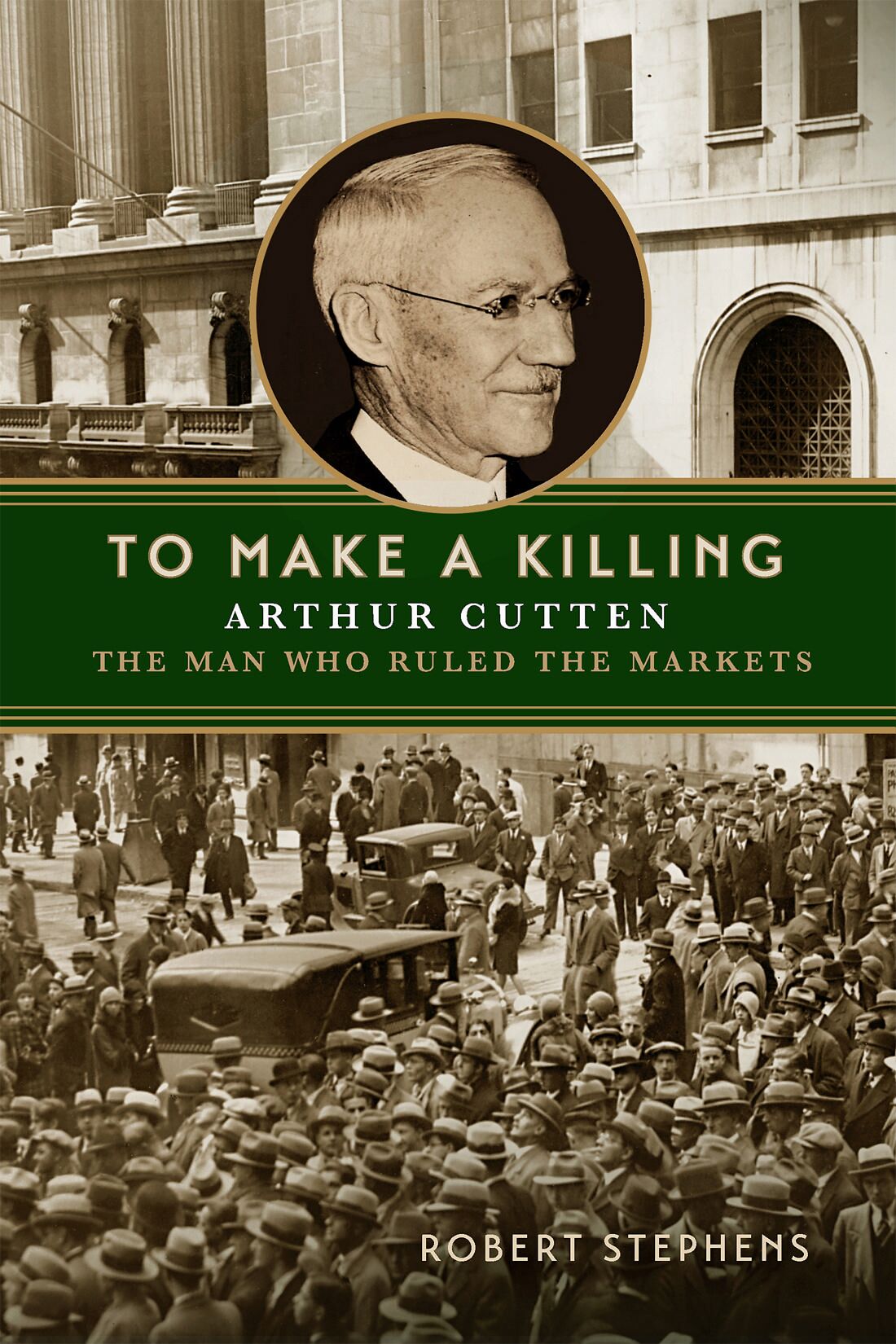
To Make a Killing
One of the wildest, most spectacular decades in American
history, the 1920s were a period of unprecedented growth and mass
consumerism. In the New Era, people drank in speakeasies, danced to
jazz, idolized gangsters, and bet their life savings on stocks.
Born and raised in a small Canadian town, Arthur Cutten went to
Chicago in 1890 with ninety dollars to his name. Through utter
ruthlessness, he amassed a fortune trading in grain futures and
stocks. Cutten was heralded as the modern Midas, and his every move
was followed by the masses, who believed they could get rich quick.
But everything changed after the crash of 1929. The heroes of
prosperity became the villains of the Great Depression. Determined
to crack down on the \"banksters,\" the Roosevelt administration
launched an all-out attack on those it blamed for the collapse -
and Cutten was at the top of the list. A US Senate committee probed
how he manipulated stock prices. The Grain Futures Administration
moved to bar him from trading. And the Bureau of Internal Revenue
indicted him for income tax evasion. But the wily operator won on
every count: he emerged from the Senate investigation unscathed,
maintained his grain trading privileges after a victory in the
Supreme Court, and left almost nothing for the tax collectors upon
his death.
To Make a Killing tells the tale of Cutten's journey to
fabulous wealth, the forces that propelled him, and the fascinating
characters in his life.
eBook

Snow White
A stylized noir retelling of Snow White set against the backdrop of Depression-era Manhattan.
Book

Rainbow's end : the crash of 1929
Rainbow's End tells the story of the stock market collapse in a colorful, swift-moving narrative that blends a vivid portrait of the 1920s with an intensely gripping account of Wall Street's greatest catastrophe.
eBook

Rainbow's End
The Crash of '29 is one of the key moments in American, and indeed world history. This narrative historian addresses its effects on both business and society, and recreates the coming together of economic forces culminating in this disaster
Book
Shaping and reshaping Chinese American identity
Shaping and Reshaping Chinese American Identity: New York's Chinese in the Years of the Depression and World War II explores the role played by Chinese Americans in New York in the 1930's who laid the foundation for future generations to fight for civil rights as American citizens. The stories of Chinese Americans during the Depression years and World War II are under-represented in the existing literature that has been confined to the early days of the settlement of Chinese Americans on the west coast of the United States. They were usually depicted as passive victims of exclusion as a result of Chinese Exclusion Laws. This book focuses on the active participation of the Chinese American in New York City in mainstream political, economic, and social life that helped them to forge new identity as Chinese Americans. Their active participation in federal and local elections as a means of claiming their rights as American citizens demonstrated their growing political consciousness. Chinese New Yorkers' support of both China and United States during the war reflected their dual identity as both Chinese and Americans. Their contributions to the war front and to the home front after Pearl Harbor eventually forced the reconsideration of the Chinese Exclusion Laws. The book concludes by relating the active participation of the Chinese in New York during the war years to the national movement for racial equality that resulted in new federal civil rights legislation.
eBook
The Roaring 20's and the Wall Street Crash
The Wall Street Crash was an epic failure of the financial system at the start of the 20th Century, but it alone did not cause the Great Depression. This edition of Explaining Modern History looks at the deeper causes of the crisis. Ideal for GCSE and A Level.
eBook