
Catalogue Search | MBRL


Are you sure you want to remove the book from the shelf?

{{itemTitle}}
829
result(s) for
"Derivative securities -- Accounting"
Sort by:

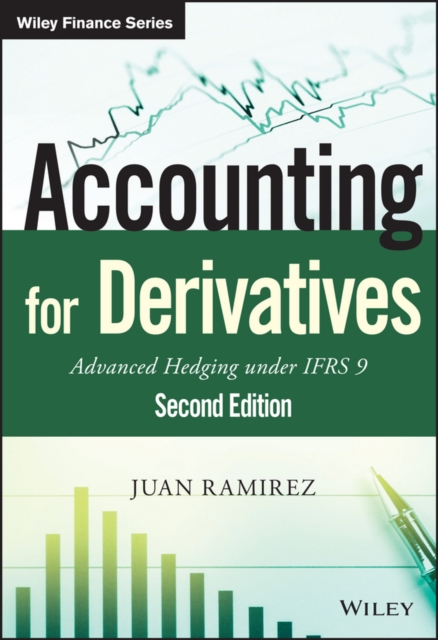
Accounting for derivatives
\"The derivative practitioner's expert guide to IFRS 9 applicationAccounting for Derivatives explains the likely accounting implications of a proposed transaction on derivatives strategy, in alignment with the IFRS 9 standards. Written by a Big Four advisor, this book shares the author's insights from working with companies to minimise the earnings volatility impact of hedging with derivatives. This second edition includes new chapters on hedging inflation risk and stock options, with new cases on special hedging situations including hedging components of commodity risk. This new edition also covers the accounting treatment of special derivatives situations, such as raising financing through commodity-linked loans, derivatives on own shares and convertible bonds. Cases are used extensively throughout the book, simulating a specific hedging strategy from its inception to maturity following a common pattern. Coverage includes instruments such as forwards, swaps, cross-currency swaps, and combinations of standard options, plus more complex derivatives like knock-in forwards, KIKO forwards, range accruals, and swaps in arrears.Under IFRS, derivatives that do not qualify for hedge accounting may significantly increase earnings volatility. Compliant application of hedge accounting requires expertise across both the standards and markets, with an appropriate balance between derivatives expertise and accounting knowledge. This book helps bridge the divide, providing comprehensive IFRS coverage from a practical perspective. Become familiar with the most common hedging instruments from an IFRS 9 perspective. Examine FX risk and hedging of dividends, earnings, and net assets of foreign subsidies. Learn new standards surrounding the hedge of commodities, equity, inflation, and foreign and domestic liabilities. Challenge the qualification for hedge accounting as the ultimate objective. IFRS 9 is set to replace IAS 39, and many practitioners will need to adjust their accounting policies and hedging strategies to conform to the new standard. Accounting for Derivatives is the only book to cover IFRS 9 specifically for the derivatives practitioner, with expert guidance and practical advice\"--
eBook
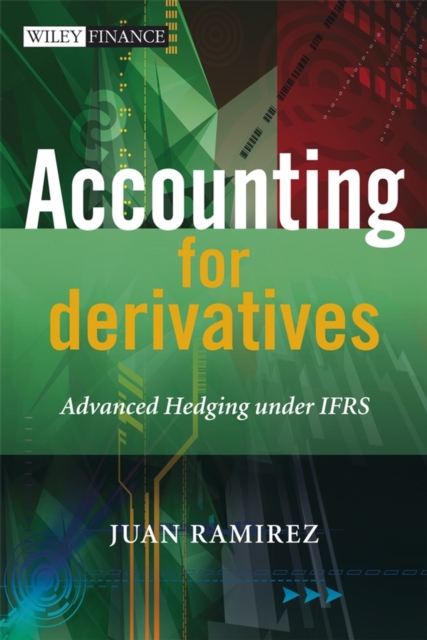
Accounting for derivatives : advanced hedging under IFRS
Accounting for Derivatives: Advanced Hedging under IFRS is a comprehensive practical guide to hedge accounting. This book is neither written by auditors afraid of providing opinions on strategies for which accounting rules are not clear, nor by accounting professors lacking practical experience. Instead, it is based on day-to-day experience, advising corporate CFOs and treasurers on sophisticated hedging strategies. It covers the most frequent hedging strategies and addresses the most pressing challenges that corporate executives find today. The book is case-driven with each case analysing in detail a real-life hedging strategy. A broad range of hedging strategies have been included, some of them using sophisticated derivatives. The objective of this book is to provide a conceptual framework based on the extensive use of cases so that readers can create their own accounting interpretation of the hedging strategy being considered. Accounting for Derivatives will be essential reading for CFOs, internal auditors and treasurers of corporations, professional accountants as well as derivatives professionals working at commercial and investment banks. Key feature include: The only book to cover IAS39 from the derivatives practitioner's perspective Extensive real-life case studies to providing essential information for the practitioner Covers hedging instruments such as forwards, swaps, cross-currency swaps, and combinations of standard options as well as more complex derivatives such as knock-in forwards, KIKO forwards, range accruals and swaps in arrears. Includes the latest information on FX hedging and hedging of commodities.
eBook

The SABR/LIBOR market model : pricing, calibration and hedging for complex interest-rate derivatives
This book presents a major innovation in the interest rate space. It explains a financially motivated extension of the LIBOR Market model which accurately reproduces the prices for plain vanilla hedging instruments (swaptions and caplets) of all strikes and maturities produced by the SABR model. The authors show how to accurately recover the whole of the SABR smile surface using their extension of the LIBOR market model. This is not just a new model, this is a new way of option pricing that takes into account the need to calibrate as accurately as possible to the plain vanilla reference hedging instruments and the need to obtain prices and hedges in reasonable time whilst reproducing a realistic future evolution of the smile surface. It removes the hard choice between accuracy and time because the framework that the authors provide reproduces today's market prices of plain vanilla options almost exactly and simultaneously gives a reasonable future evolution for the smile surface. The authors take the SABR model as the starting point for their extension of the LMM because it is a good model for European options. The problem, however with SABR is that it treats each European option in isolation and the processes for the various underlyings (forward and swap rates) do not talk to each other so it isn't obvious how to relate these processes into the dynamics of the whole yield curve. With this new model, the authors bring the dynamics of the various forward rates and stochastic volatilities under a single umbrella. To ensure the absence of arbitrage they derive drift adjustments to be applied to both the forward rates and their volatilities. When this is completed, complex derivatives that depend on the joint realisation of all relevant forward rates can now be priced. Contents
THE THEORETICAL SET-UP
The Libor Market model
The SABR Model
The LMM-SABR Model IMPLEMENTATION AND CALIBRATION
Calibrating the LMM-SABR model to Market Caplet prices
Calibrating the LMM/SABR model to Market Swaption Prices
Calibrating the Correlation Structure EMPIRICAL EVIDENCE
The Empirical problem
Estimating the volatility of the forward rates
Estimating the correlation structure
Estimating the volatility of the volatility HEDGING
Hedging the Volatility Structure
Hedging the Correlation Structure
Hedging in conditions of market stress
eBook
Accounting for derivatives and hedging activities
Derivatives, and derivatives used to hedge financial and operating functions, are designed to allow managers of firms to manage effectively the downside risk of their financial and operating strategies. They also can be very useful tools that allow managers and executives to accurately predict financial and operational performance and manage the investment communities' \"expectations\" regarding overall firm performance. Derivatives and hedges, however, if not properly designed in conjunction with the firm's risk management strategy, can be potentially disastrous for the firm. The ongoing financial turmoil in markets can be partially explained by company managers and executives not understanding the potential financial statement impact when derivative markets move in a particular direction for longer periods of time than anticipated by firms. This book is designed for managers and executives to be a comprehensive yet accessible resource for understanding the impact of derivative and hedge accounting on a company's reporting of financial statements. The book's primary purpose is to demystify derivatives and provide practical advice and counsel on how to use them to manage more effectively the operational and financial risk to the firm. When used properly derivatives are an extremely effective tool that managers and executives can use to reduce uncertainty regarding the future.
eBook

Accounting for Derivatives
The derivative practitioner’s expert guide to IFRS 9applicationAccounting for Derivativesexplains the likely accountingimplications of a proposed transaction on derivatives strategy, inalignment with the IFRS 9 standards. Written by a Big Four advisor,this book shares the author’s insights from working withcompanies to minimise the earnings volatility impact of hedgingwith derivatives. This second edition includes new chapters onhedging inflation risk and stock options, with new cases on specialhedging situations including hedging components of commodity risk.This new edition also covers the accounting treatment of specialderivatives situations, such as raising financing throughcommodity-linked loans, derivatives on own shares and convertiblebonds. Cases are used extensively throughout the book, simulating aspecific hedging strategy from its inception to maturity followinga common pattern. Coverage includes instruments such as forwards,swaps, cross-currency swaps, and combinations of standard options,plus more complex derivatives like knock-in forwards, KIKOforwards, range accruals, and swaps in arrears.Under IFRS, derivatives that do not qualify for hedge accountingmay significantly increase earnings volatility. Compliantapplication of hedge accounting requires expertise across both thestandards and markets, with an appropriate balance betweenderivatives expertise and accounting knowledge. This book helpsbridge the divide, providing comprehensive IFRS coverage from apractical perspective.Become familiar with the most common hedging instruments froman IFRS 9 perspectiveExamine FX risk and hedging of dividends, earnings, and netassets of foreign subsidiesLearn new standards surrounding the hedge of commodities,equity, inflation, and foreign and domestic liabilitiesChallenge the qualification for hedge accounting as theultimate objectiveIFRS 9 is set to replace IAS 39, and many practitioners will needto adjust their accounting policies and hedging strategies toconform to the new standard. Accounting for Derivativesisthe only book to cover IFRS 9 specifically for the derivativespractitioner, with expert guidance and practical advice. JUAN RAMIREZworks in one of the Big 4 accounting firms. He addresses challenging hedging situations and assessing the accounting treatment of complex transactions with a particular accounting, tax and regulatory capital angle. Formerly, he worked at Arthur Andersen, JP Morgan, Lehman Brothers, Barclays Capital, Banco Santander and BNP Paribas.
Book
Accounting for derivatives
\"The derivative practitioner's expert guide to IFRS 9 applicationAccounting for Derivatives explains the likely accounting implications of a proposed transaction on derivatives strategy, in alignment with the IFRS 9 standards. Written by a Big Four advisor, this book shares the author's insights from working with companies to minimise the earnings volatility impact of hedging with derivatives. This second edition includes new chapters on hedging inflation risk and stock options, with new cases on special hedging situations including hedging components of commodity risk. This new edition also covers the accounting treatment of special derivatives situations, such as raising financing through commodity-linked loans, derivatives on own shares and convertible bonds. Cases are used extensively throughout the book, simulating a specific hedging strategy from its inception to maturity following a common pattern. Coverage includes instruments such as forwards, swaps, cross-currency swaps, and combinations of standard options, plus more complex derivatives like knock-in forwards, KIKO forwards, range accruals, and swaps in arrears.Under IFRS, derivatives that do not qualify for hedge accounting may significantly increase earnings volatility. Compliant application of hedge accounting requires expertise across both the standards and markets, with an appropriate balance between derivatives expertise and accounting knowledge. This book helps bridge the divide, providing comprehensive IFRS coverage from a practical perspective. Become familiar with the most common hedging instruments from an IFRS 9 perspective Examine FX risk and hedging of dividends, earnings, and net assets of foreign subsidies Learn new standards surrounding the hedge of commodities, equity, inflation, and foreign and domestic liabilities Challenge the qualification for hedge accounting as the ultimate objective IFRS 9 is set to replace IAS 39, and many practitioners will need to adjust their accounting policies and hedging strategies to conform to the new standard. Accounting for Derivatives is the only book to cover IFRS 9 specifically for the derivatives practitioner, with expert guidance and practical advice\"--
Book

Shareholder Litigation and Corporate Disclosure: Evidence from Derivative Lawsuits
Using the staggered adoption of universal demand (UD) laws in the United States, we study the effect of shareholder litigation risk on corporate disclosure. We find that disclosure significantly increases after UD laws make it more difficult to file derivative lawsuits. Specifically, firms issue more earnings forecasts and voluntary 8-K filings, and increase the length of management discussion and analysis (MD&A) in their 10-K filings. We further assess the direct and indirect channels through which UD laws affect firms' disclosure policies. We find that the effect of UD laws on corporate disclosure is driven by firms facing relatively higher ex ante derivative litigation risk and higher operating uncertainty, as well as firms for which shareholder litigation is a more important mechanism to discipline managers.
Journal Article

Risk Takers
Risk Takers: Uses and Abuses of Financial Derivatives goes to the heart of the arcane and largely misunderstood world of derivative finance and makes it accessible to everyone—even novice readers. Marthinsen takes us behind the scenes, into the back alleyways of corporate finance and derivative trading, to provide a bird’s-eye view of the most shocking financial disasters of the past quarter century. The book draws on real-life stories to explain how financial derivatives can be used to create or to destroy value. In an approachable, non-technical manner, Marthinsen brings these financial derivatives situations to life, fully exploring the context of each event, evaluating their outcomes, and bridging the gap between theory and practice.
eBook
Pricing and Hedging Financial Derivatives
The only guide focusing entirely on practical approaches to pricing and hedging derivatives
One valuable lesson of the financial crisis was that derivatives and risk practitioners don't really understand the products they're dealing with. Written by a practitioner for practitioners, this book delivers the kind of knowledge and skills traders and finance professionals need to fully understand derivatives and price and hedge them effectively. Most derivatives books are written by academics and are long on theory and short on the day-to-day realities of derivatives trading. Of the few practical guides available, very few of those cover pricing and hedging—two critical topics for traders. What matters to practitioners is what happens on the trading floor—information only seasoned practitioners such as authors Marroni and Perdomo can impart.
* Lays out proven derivatives pricing and hedging strategies and techniques for equities, FX, fixed income and commodities, as well as multi-assets and cross-assets
* Provides expert guidance on the development of structured products, supplemented with a range of practical examples
* Packed with real-life examples covering everything from option payout with delta hedging, to Monte Carlo procedures to common structured products payoffs
* The Companion Website features all of the examples from the book in Excel complete with source code
eBook