
Catalogue Search | MBRL


Are you sure you want to remove the book from the shelf?

{{itemTitle}}
1,985
result(s) for
"Doctor–patient relationship"
Sort by:

“É para o seu bem”: a \violência perfeita\ na assistência obstétrica
Resumo No Brasil, a violência obstétrica vem sendo pesquisada desde os anos 1980. Na década de 90, no entanto, o fenômeno passou a receber maior destaque. A forma de violência analisada neste trabalho refere-se a uma violência velada, chamada de “violência perfeita”. Este ensaio reflete sobre a ocorrência da violência perfeita na obstetrícia, especialmente no que concerne às sutilezas do discurso médico, que pode travestir essa agressão numa forma de cuidado. A violência perfeita pode soar como preocupação da parte do médico com a saúde da gestante, que pode se submeter às recomendações médicas de forma passiva, por acreditar que deve ser o melhor para ela ou para o bebê. Ao praticar a violência perfeita, o obstetra pode interferir no desfecho do parto. A “epidemia” de cesarianas no Brasil tem sido justificada pelos médicos como preferência da mulher, mas pesquisas refutam essa hipótese e provocam a reflexão: quem está de fato escolhendo a modalidade de parto? O presente ensaio nos mostra que observar as sutilezas do discurso médico pode ajudar a responder essa pergunta. Abstract In Brazil obstetric violence has been researched since the 1980s. However, in the nineties the phenomenon started to have a more prominent position. The form of violence analysed in this study refers to a covert violence, called “perfect violence”. This essay reflects about the occurrence of perfect violence in obstetrics, especially regarding the subtleties of medical discourse, which can disguise this aggression as a form of care. This type of violence may sound as if it was a concern with the patient’s health on behalf of the doctor, but it can make the patient submit herself to the medical recommendations in a passive manner, believing it is the best for her and her baby. In this way, violence is disguised as good practice, allegedly aiming at what is best for the patient. In practicing perfect violence, the doctor can interfere in the delivery outcome. The caesarean “epidemic” in Brazil has been justified by doctors as the woman’s preference, but research undermines this hypothesis and raises the reflection: who is in fact choosing the type of childbirth? This essay shows us that observing the subtleties of medical discourse can help answering this question.
Journal Article
Rituais e símbolos na atenção formal à saúde: o caso do vestuário profissional, na ótica de pacientes da Atenção Básica
Este trabalho teve como objetivo analisar e interpretar as reflexões e experiências de usuários frequentadores do serviço de Atenção Primária à Saúde / Unidades de Saúde da Família (USF) sobre o uso do jaleco branco ou roupas brancas por médicos e outros profissionais de saúde. O método utilizado foi o de entrevistas individuais com questões abertas, em profundidade, com usuários de USF, transcritas integralmente e analisadas quanto ao conteúdo e enunciados. A amostra foi fechada por saturação teórica. Como resultado, identificou-se nas 11 entrevistas uma marcante assimetria sociocultural e psicológica como pano de fundo dos três núcleos de sentido identificados: vestuário como marca identitária; vestuário não valorizado como símbolo de competência profissional e vestuário interferindo, positiva ou negativamente, nas relações entre clínicos e pacientes. Discutem-se a premência à simbolização na área da saúde, as dificuldades dos participantes em discorrer sobre o tema e sobre o porquê da emergência de possíveis novos símbolos de competência. Finalmente, concluiu-se que compreender os significados atribuídos pelos usuários dos sistemas de saúde aos atos e práticas realizados por seus cuidadores pode contribuir para o aperfeiçoamento progressivo dessas práticas formais de cuidado. Embora as funções ritualísticas dos comportamentos e objetos utilizados nos atos de cuidado à saúde sejam mais facilmente observadas nas chamadas práticas informais e populares, elas persistem nas maneiras formais ou profissionais de agir. Esse tipo de fenômeno se deu após a emergência da medicina científica moderna, com o jaleco branco, por exemplo, e ainda se dá, na atualidade, embora novos símbolos pareçam surgir e ocupar esse espaço ritualístico. This study aimed to analyze and interpret the thoughts and experiences of service users attending Primary Care / Family Health Units (FHU) on the use of white coat or white clothes by physicians and other health professionals. The method used was interviews with open questions, in depth, with users of FHU, transcribed and analyzed for content and statements. The sample was closed by theoretical saturation. As a result, eleven interviews were identified in a marked asymmetry and psychological and socio-cultural background of the three identified clusters of meaning: clothing as a mark of identity; clothing is not valued as a symbol of professional competence and clothing interferes, positively or negatively, in relations between clinicians and patients. We discuss the urgency of symbolization in health, the difficulties of the participants discuss the topic and why the emergence of possible new symbols of power. Finally, it was concluded that understanding the meanings assigned by users of health systems to the acts and practices carried out by their caregivers may contribute to the progressive refinement of these formal practices of care. Although the functions of ritualistic behaviors and objects used in acts of health care are more easily observed in so-called informal and popular practices, they persist in formal or professional ways of acting. This type of phenomenon occurred after the emergence of modern scientific medicine, with the white coat, for example, and remains at present, although new symbols appear to arise and occupy this ritual space.
Journal Article

Relação médico-paciente em oncologia: medos, angústias e habilidades comunicacionais de médicos na cidade de Fortaleza (CE)
A relação médico-paciente, em oncologia, adquire uma particular importância devido à gravidade da doença e ao estigma que muitas vezes acompanha a experiência do paciente. Esta pesquisa teve como objetivo analisar percepções e dificuldades que os médicos vivenciam frente ao paciente oncológico. Trata-se de um estudo qualitativo, baseado principalmente em entrevistas abertas e aprofundadas, realizado com vinte médicos que trabalham no Instituto do Câncer do Ceará. Baseando-se na convivência da Dra. Sheila com seus pacientes, Cássio e Elisa, personagens fictícios de uma crônica entremeada na discussão do artigo, ilustram-se os principais registros encontrados. Procurou-se abordar quatro temas centrais: a construção do vínculo, o desempenho de habilidades comunicacionais, a abordagem terapêutica e a interação com a família. O sofrimento e as implicações emocionais de pacientes e familiares, as diferenças comunicacionais existentes entre os médicos entrevistados, principalmente em referência à transmissão do diagnóstico e à terapêutica, tornam-se fatores importantes que influenciam a relação e o estabelecimento ou não do vínculo terapêutico. Diante disso, vê-se ser necessário estudos e debates acerca do tema, visando a uma incorporação desta temática na formação médica. In oncology the doctor-patient relationship has a particular importance due to the gravity of the illness and to the stigma that is followed many times by the experience of the patient. This research was designed to analyze perceptions and difficulties that doctors face when they are dealing with oncology patient. It is a qualitative study, based mainly on open and in-depth interviews, involving 20 doctors from the Cancer Institute of Ceará. From the relationship of Dr. Sheila with her patients, Cássio and Elisa, fictitious personages of a chronicle larded in the quarrel of the article, the main facts are illustrated. We tried to approach four main subjects: the construction of the bond, the communication abilities performance, the therapeutic approach and the family interaction. The suffering and the emotional implications of patients and familiars, the differences in communication between the interviewed doctors, mainly in reference to the transmission of the diagnosis and the therapy, become important factors that influence the relation and the establishment or not of the therapeutic bond. Because of this, it seems to be necessary studies and debates concerning this subject, aiming at an incorporation of this thematic in the medical training.
Journal Article

Homeopatia: uma abordagem do sujeito no processo de adoecimento
O estudo analisa o processo terapêutico da Medicina Homeopática e a relevância de seus componentes na construção de um espaço interativo entre médicos e pacientes capaz de propiciar novos sentidos para a compreensão do adoecimento e para a perspectiva da cura. A centralidade da pessoa no paradigma da Medicina Homeopática, ao privilegiar a situação de adoecimento dos pacientes, confere características específicas à sua abordagem capazes de resgatar a dimensão do cuidado na ação terapêutica. Tomamos como base empírica duas unidades de saúde da cidade de São Paulo onde foram realizadas as entrevistas. Utilizamos abordagem qualitativa e identificamos núcleos de sentidos, tais como, sujeito, pessoa, escuta, ver, vínculo, tempo, cura e medicamento, capazes de refletir as dimensões essenciais e a especificidade do processo terapêutico da Homeopatia. Através de narrativas dos sujeitos da prática homeopática, pudemos evidenciar que a construção de um espaço de intersubjetividade, onde pacientes e médicos possam compartilhar a experiência do adoecer, permite introduzir a perspectiva do cuidado e a possibilidade de um projeto de recuperação da saúde.
Journal Article
Um recorte transversal da objetivação reificante na relação terapeuta/cliente
Não é por acaso que as duas grandes obras da maturidade de Marx, cujo objetivo é descrever o conjunto da sociedade capitalista e pôr a nu o seu caráter fundamental, começam por uma análise da mercadoria. Com efeito, nesta etapa da evolução da humanidade não há problema que não nos remeta, em última análise, para esta questão, e cuja solução não deva ser procurada na solução do enigma da estrutura da mercadoria. Quando nos debruçamos sobre a relação dos profissionais da saúde com o cliente, cujo olhar da biomedicina sustentou e demarcou funções objetivadas e mecanicistas, observamos que a busca de compreensão de Marx diante do capitalismo não deixa de ter a mesma concepção mercantilista nesta relação, cunhada de racionalista.
Journal Article

The Psychiatric Interview
Focusing on the practical skills needed to establish rapport with patients and gain valuable clinical insights,The Psychiatric Interview, 5th Edition, offers a practical, concise approach to improving interviewing skills.Noted psychiatrist and award-winning mental health journalist Dr.Daniel J.
eBook
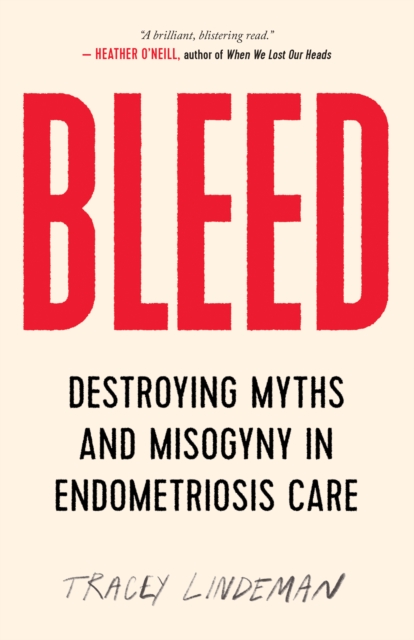
Bleed
A blend of memoir and journalism, a scathing examination of how the uterus has been sidelined, ignored, and mistreated. For the tens of millions globally who suffer from endometriosis as well as those looking to understand the deeply rooted misogyny of the medical system.
eBook

Patient-Centered Healthcare
Patient-centered care is a way of thinking and doing things that considers patients partners in the development of a healthcare plan designed to meet their specific needs. It involves knowledge of the individual as a person and integrates that knowledge into their plan of care.
Patient-centered care is central to the discussion of healthcare at the insurance and hospital-level. The quality of the service is evaluated more deeply from all the healthcare components, including insurance payments. It is the start of a new client- and patient-centered healthcare, which is based on a profound respect for patients and the obligation to care for them in partnership with them.
Healthcare has been lacking a strategy to teach patients how to take care of themselves as much as they possibly can. In countries with socialized healthcare, patients don’t go to the emergency room unless it is necessary; they have a physician on call instead. This affords more personalized care and avoids patients getting lost in the hospital system.
This book advocates the critical role of patients in the health system and the need to encourage healthy living. We need to educate patients on how to be more self-aware, giving them the tools to better understand what they need to do to achieve healthy lifestyles, and the protocols and policies to sustain a better life.
Prevention has always been the pinnacle of medical care. It’s time to highlight and share this approach with patients and involve them as active participants in their own healthcare. This is the method on which to build the new healthcare for the next century.
ABOUT THE AUTHOR. INTRODUCTION. SECTION 1: PATIENT FIRST. CHAPTER 1 PATIENT-CENTERED CARE. CHAPTER 2 KEY TO ACCESS HEALTH CARE. CHAPTER 3 ADDRESS PATIENTS QUESTIONS AND NEEDS. CHAPTER 4 SHARING VISION OF CARE. CHAPTER 5 MEETING PATIENTS EXPECTATIONS AND SATISFACTIONS. CHAPTER 6 FEAR AND ANXIETY RELIEF: FAMILY CARE. CHAPTER 7 ENGAGING PATIENTS. SECTION 2: TEAM APPROACH. CHAPTER 8 BUILDING TEAM APPROACH AND COMMUNICATIONS. CHAPTER 9 COMMON GROUND WITH THE PATIENTS. CHAPTER 10 CONFUSION OVER CARE. CHAPTER 11 COORDINATE PATIENTS PARTECIPATION. CHAPTER 12 SCHEDULING. CHAPTER 13 DO PATIENTS WANT TO PARTECIPATE? SECTION 3: THE TRUE NORTH. CHAPTER 14 TRANSPARENCY AND HONESTY. CHAPTER 15 THE TRUE NORTH ALIGNEMENT. CHAPTER 16 QUALITY VALUES. CHAPTER 17 OPTIMIZED HEALTH CARE SERVICES. CHAPTER 18 HEALING RELATIONSHIPS. CHAPTER 19 INFORMATION POWER. CHAPTER 20 THE ROLE OF TECHNOLOGY AND TELEMEDICINE.. SECTION 4: LONG TERM AND CHRONIC CARE. CHAPTER 21 CONTINUITY OF PATIENTS CARE AND ADVANCE DIRECTIVES. CHAPTER 22 INVOLVEMENT OF FAMILY MEMBERS AND CAREGIVERS. CHAPTER 23 LONG TERM FACILITIES. CHAPTER 24 COMFORT LEVEL. CHAPTER 25 CHRONIC CONDITIONS AND PAIN MANAGEMENT. CHAPTER 26 DIGNITY IN DEMENTIA. SECTION 5: BUILDING QUALITY SYSTEMS. CHAPTER 27 PATIENTS FLOW AND PRESS GAINEY SCORE. CHAPTER 28 CLINICAL STAFF AND BETTER PATIENTS EXPERIENCE. CHAPTER 29 FALL PREVENTION: ENGAGING THE FAMILY. CHAPTER 30 HAND HYGIENE. CHAPTER 31 TIME OUT FOR BETTER QUALITY. CHAPTER 32 SET UP STRATEGIES. SECTION 6: HEALTH CARE CHANGE OF THINKING. CHAPTER 33 THE CHANGE OF THINKING. CHAPTER 34 PHYSICAL WELLNESS. CHAPTER 35 CIRCLE OF HEALTH. CHAPTER 36 DIFFICULT PATIENTS. CHAPTER 37 PSYCHOLOGICAL SUPPORT, DEPRESSION, SUICIDE. CHAPTER 38 RESPECT PATIENT CHOICES AND AUTONOMY.
Eldo E. Frezza, MD, MBA, FACS has been a board-certified physician for more than 20 years with 8 years of experience in health administration. He has a strong ability to improve financial, supply chain, quality and patient safety operations. He is a visible, hands-on leader with advisory expertise. He has a progressive understanding of flow and throughput with a reputation for establishing improvements and has a knowledge of utilization management.
He has served as Chief of Service and Chief of Surgery where he provided leadership and direction to successful transition from operating loss, to financial profit while drastically improving emergency and OR throughput. He also served as Director of Surgical Services for a private hospital where he assessed operations and established new metrics for OR; developed and implemented revised supply chain procedures for the OR to improve efficiency and achieve significant cost savings.
He has published books in Business and Ethics in healthcare including, The Business of Surgery, published by Cine-Med, copyright 2007; Professionalism & Ethics in a Surgical Practice published by Cine-Med, copyright 2008; and numerous articles. He received his medical degree Cum Laude from the University of Padua School of Medicine, Italy and his MBA in Health Organization management from Texas Tech Rawls School of Business, Lubbock, TX.
eBook

The enigma of doctor-patient relationship
The doctor-patient relationship is crucial to the health-care delivery. In the past, the relationship was viewed as one between a healer and a sick person. However, in the modern era, it is seen as an interaction between a care provider and a service user. The Mental Healthcare Act (MHCA) 2017 gives importance to rights and provision for more autonomy to patients. We examined, in the context of the existing literature, the potential impact the implementation of MHCA 2017 can have on the doctor-patient relationship. A bond between doctor and patient that is based on trust has been an integral part of patient care and has been described to promote recovery, reduce relapse, and enhance treatment adherence. Growing mistrust among patients toward doctors leads them to change their doctors frequently, and due to this, the patients are at risk of losing the therapeutic benefit of the doctor-patient relationship. The doctor-patient relationship has been understudied in areas of health-care need, such as in rural areas, where accessibility and availability of care itself become the most important goal. Medical advancement, with several new treatment options, as well as the availability of many experts for patients to choose from, seems a boon turning into a bane. MHCA 2017 and other health-care policies so far have not given importance to this relationship that is being damaged by several factors including rising health-care costs, especially in private sector and after patients have become \"consumers.\" However, for now, the foremost thing is the psychiatrists have to work to comply with the law and document to justify clinical decisions.
Journal Article

SERIES: eHealth in primary care. Part 2: Exploring the ethical implications of its application in primary care practice
eHealth promises to increase self-management and personalised medicine and improve cost-effectiveness in primary care. Paired with these promises are ethical implications, as eHealth will affect patients' and primary care professionals' (PCPs) experiences, values, norms, and relationships.
We argue what ethical implications related to the impact of eHealth on four vital aspects of primary care could (and should) be anticipated.
(1) EHealth influences dealing with predictive and diagnostic uncertainty. Machine-learning based clinical decision support systems offer (seemingly) objective, quantified, and personalised outcomes. However, they also introduce new loci of uncertainty and subjectivity. The decision-making process becomes opaque, and algorithms can be invalid, biased, or even discriminatory. This has implications for professional responsibilities and judgments, justice, autonomy, and trust. (2) EHealth affects the roles and responsibilities of patients because it can stimulate self-management and autonomy. However, autonomy can also be compromised, e.g. in cases of persuasive technologies and eHealth can increase existing health disparities. (3) The delegation of tasks to a network of technologies and stakeholders requires attention for responsibility gaps and new responsibilities. (4) The triangulate relationship: patient-eHealth-PCP requires a reconsideration of the role of human interaction and 'humanness' in primary care as well as of shaping Shared Decision Making.
Our analysis is an essential first step towards setting up a dedicated ethics research agenda that should be examined in parallel to the development and implementation of eHealth. The ultimate goal is to inspire the development of practice-specific ethical recommendations.
Journal Article