
Catalogue Search | MBRL


Are you sure you want to remove the book from the shelf?

{{itemTitle}}
6,104,191
result(s) for
"Drugs"
Sort by:

Appropriate prescribing of oral beta-lactam antibiotics
Beta-lactam antibiotics are active against many gram-negative, gram-positive and anaerobic organisms. Care must be taken when selecting a specific drug because each beta-lactam group has a somewhat different antimicrobial spectrum.
Journal Article


Pharmacokinetic Interactions between Etravirine and Non-Antiretroviral Drugs
Etravirine (formerly TMC125) is a non-nucleoside reverse transcriptase inhibitor (NNRTI) with activity against wild-type and NNRTI-resistant strains of HIV-1. Etra virine has been approved in several countries for use as part of highly active antiretroviral therapy in treatment-experienced patients.
In vivo
, etravirine is a substrate for, and weak inducer of, the hepatic cytochrome P450 (CYP) isoenzyme 3A4 and a substrate and weak inhibitor of CYP2C9 and CYP2C19. Etravirine is also a weak inhibitor of P-glycoprotein. An extensive drug-drug interaction programme in HIV-negative subjects has been carried out to assess the potential for pharmacokinetic interactions between etravirine and a variety of non-antiretroviral drugs.
Effects of atorvastatin, clarithromycin, methadone, omeprazole, oral contraceptives, paroxetine, ranitidine and sildenafil on the pharmacokinetic disposition of etravirine were of no clinical relevance. Likewise, etravirine had no clinically significant effect on the pharmacokinetics of fluconazole, methadone, oral contraceptives, paroxetine or voriconazole. No clinically relevant interactions are expected between etravirine and azithromycin or ribavirin, therefore, etravirine can be combined with these agents without dose adjustment.
Fluconazole and voriconazole increased etravirine exposure 1.9- and 1.4-fold, respectively, in healthy subjects, however, no increase in the incidence of adverse effects was observed in patients receiving etravirine and fluconazole during clinical trials, therefore, etravirine can be combined with these antifungals although caution is advised.
Digoxin plasma exposure was slightly increased when co-administered with etravirine. No dose adjustments of digoxin are needed when used in combination with etravirine, however, it is recommended that digoxin levels should be monitored. Caution should be exercised in combining rifabutin with etravirine in the presence of certain boosted HIV protease inhibitors due to the risk of decreased exposure to etravirine. Although adjustments to the dose of clarithromycin are unnecessary for the treatment of most infections, the use of an alternative macrolide (e.g. azithromycin) is recommended for the treatment of
Mycobacterium avium
complex infection since the overall activity of clarithromycin against this pathogen may be altered when co-administered with etravirine. Dosage adjustments based on clinical response are recommended for clopidogrel, HMG-CoA reductase inhibitors (e.g. atorvastatin) and for phosphodiesterase type-5 inhibitors (e.g. sildenafil) because changes in the exposure of these medications in the presence of co-administered etravirine may occur.
When co-administered with etravirine, a dose reduction or alternative to diazepam is recommended. When combining etravirine with warfarin, the international normalized ratio (INR) should be monitored. Systemic dexamethasone should be co-administered with caution, or an alternative to dexamethasone be found as dexamethasone induces CYP3A4. Caution is also warranted when co-administering etravirine with some antiarrhythmics, calcineurin inhibitors (e.g. ciclosporin) and antidepressants (e.g. citalopram). Coadministration of etravirine with some antiepileptics (e.g. carbamazepine and phenytoin), rifampicin (rifampin), rifapentine or preparations containing St John’s wort (
Hypericum perforatum
) is currently not recommended as these are potent inducers of CYP3A and/or CYP2C and may potentially decrease etravirine exposure. Antiepileptics that are less likely to interact based on their known pharmacological properties include gabapentin, lamotrigine, levetiracetam and pregabalin.
Overall, pharmacokinetic and clinical data show etravirine to be well tolerated and generally safe when given in combination with non-antiretroviral agents, with minimal clinically significant drug interactions and no need for dosage adjustments of etravirine in any of the cases, or of the non-antiretroviral agent in the majority of cases studied.
Journal Article

Species-specific activity of antibacterial drug combinations
The spread of antimicrobial resistance has become a serious public health concern, making once-treatable diseases deadly again and undermining the achievements of modern medicine
1
,
2
. Drug combinations can help to fight multi-drug-resistant bacterial infections, yet they are largely unexplored and rarely used in clinics. Here we profile almost 3,000 dose-resolved combinations of antibiotics, human-targeted drugs and food additives in six strains from three Gram-negative pathogens—
Escherichia coli
,
Salmonella enterica
serovar Typhimurium and
Pseudomonas aeruginosa
—to identify general principles for antibacterial drug combinations and understand their potential. Despite the phylogenetic relatedness of the three species, more than 70% of the drug–drug interactions that we detected are species-specific and 20% display strain specificity, revealing a large potential for narrow-spectrum therapies. Overall, antagonisms are more common than synergies and occur almost exclusively between drugs that target different cellular processes, whereas synergies are more conserved and are enriched in drugs that target the same process. We provide mechanistic insights into this dichotomy and further dissect the interactions of the food additive vanillin. Finally, we demonstrate that several synergies are effective against multi-drug-resistant clinical isolates in vitro and during infections of the larvae of the greater wax moth
Galleria mellonella
, with one reverting resistance to the last-resort antibiotic colistin.
Screening pairwise combinations of antibiotics and other drugs against three bacterial pathogens reveals that antagonistic and synergistic drug–drug interactions are specific to microbial species and strains.
Journal Article

Discovery of SARS-CoV-2 antiviral drugs through large-scale compound repurposing
The emergence of severe acute respiratory syndrome coronavirus 2 (SARS-CoV-2) in 2019 has triggered an ongoing global pandemic of the severe pneumonia-like disease coronavirus disease 2019 (COVID-19)
1
. The development of a vaccine is likely to take at least 12–18 months, and the typical timeline for approval of a new antiviral therapeutic agent can exceed 10 years. Thus, repurposing of known drugs could substantially accelerate the deployment of new therapies for COVID-19. Here we profiled a library of drugs encompassing approximately 12,000 clinical-stage or Food and Drug Administration (FDA)-approved small molecules to identify candidate therapeutic drugs for COVID-19. We report the identification of 100 molecules that inhibit viral replication of SARS-CoV-2, including 21 drugs that exhibit dose–response relationships. Of these, thirteen were found to harbour effective concentrations commensurate with probable achievable therapeutic doses in patients, including the PIKfyve kinase inhibitor apilimod
2
–
4
and the cysteine protease inhibitors MDL-28170, Z LVG CHN2, VBY-825 and ONO 5334. Notably, MDL-28170, ONO 5334 and apilimod were found to antagonize viral replication in human pneumocyte-like cells derived from H9 human embryonic stem cell lines, and apilimod also demonstrated antiviral efficacy in a primary human lung explant model. Since most of the molecules identified in this study have already advanced into the clinic, their known pharmacological and human safety profiles will enable accelerated preclinical and clinical evaluation of these drugs for the treatment of COVID-19.
A screen of the ReFRAME library of approximately 12,000 known drugs for antiviral activity against severe acute respiratory syndrome coronavirus 2 (SARS-CoV-2) identified several candidate compounds with suitable activities and pharmacological profiles, which could potentially expedite the deployment of therapies for coronavirus disease 2019 (COVID-19).
Journal Article

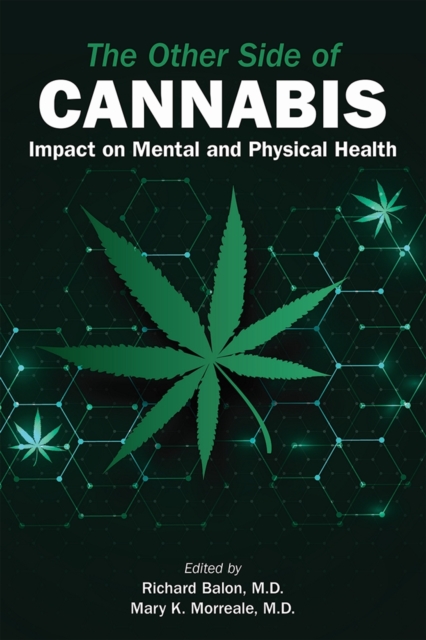
The Other Side of Cannabis
Although federal law in the United States still prohibits the use, possession, and sale of cannabis containing more than 0.3% THC, 24 states, the District of Columbia, and three U.S. territories have legalized the recreational use of marijuana. This trend is also seen in other countries, including Canada, South Africa, and Uruguay. Studies show that the prevalence of cannabis use disorder among people who use cannabis is relatively high. As the business of cannabis—both legal and illicit—and its use continue to grow, mental health and medical professionals must be prepared to address the effects of cannabis on the mind and body. Equipping providers with the relevant information is the intention of The Other Side of Cannabis. Relying on the insights of experts from around the world, this volume examines, among many other topics: • The frequency of use and deleterious effects of cannabis on adolescents, adults, and older adults• The link between cannabis and psychosis• The relationship between cannabis and posttraumatic stress disorder and anxiety disorders• The effects of cannabis on fertility—both male and female• The mechanisms and efficacy of cannabinoids on treating chronic pain Extensively referenced, this guide is rich in figures and tables for ease of reference. Key points at the end of each chapter aid in the retention and recall of the most important information. Readers will come away with a comprehensive understanding of the detrimental impact of cannabis use and be better positioned to educate patients, the public, and policymakers.
eBook