Catalogue Search | MBRL
Search Results Heading
Explore the vast range of titles available.
MBRLSearchResults
-
LanguageLanguage
-
SubjectSubject
-
Item TypeItem Type
-
DisciplineDiscipline
-
YearFrom:-To:
-
More FiltersMore FiltersIs Peer Reviewed
Done
Filters
Reset
4
result(s) for
"Dubayy (United Arab Emirates : Emirate) History"
Sort by:
Western privilege : work, intimacy, and postcolonial hierarchies in Dubai
2021
Nearly 90 percent of residents in Dubai are foreigners with no Emirati nationality. As in many global cities, those who hold Western passports share specific advantages: prestigious careers, high salaries, and comfortable homes and lifestyles. With this book, Amélie Le Renard explores how race, gender and class backgrounds shape experiences of privilege, and investigates the processes that lead to the formation of Westerners as a social group.
Westernness is more than a passport; it is also an identity that requires emotional and bodily labor. And as they work, hook up, parent, and hire domestic help, Westerners chase Dubai's promise of socioeconomic elevation for the few. Through an ethnography informed by postcolonial and feminist theory, Le Renard reveals the diverse experiences and trajectories of white and non-white, male and female Westerners to understand the shifting and contingent nature of Westernness—and also its deep connection to whiteness and heteronormativity. Western Privilege offers a singular look at the lived reality of structural racism in cities of the global South.
Political Transformation of Gulf Tribal States
2014
The reform movements and attempts to establish parliamentary institutions in the Persian Gulf states of Kuwait, Bahrain and Dubai between the First World War and the independent era of the 1970s were not inspired by western example or by any tradition of civil representation. The move to a parliamentary system not only represented a milestone in the history of the region, creating a legacy for future generations, but was a unique transition in the Arab world. The transformation of these states from loose chiefdoms of minimal coherence and centralization, into centralizing and institutionalized monarchies, involved the setting up of primary institutions of government, the demarcation of borders, and establishment of a monarchical order. As this new political and social order evolved, ideas of national struggle and national rights penetrated Gulf societies. Gulf citizens who had spent time in Arab states, mostly in Egypt and Iraq, took part in the genesis of a public Arab-Gulf national discourse, enabling the Gulf population to become acquainted with national struggles for independence. As a result merchants of notable families, newly educated elements, and even workers, began to oppose the dominance of the rulers. Both the rulers and the commercial elites (including members of the ruling families) tried to formulate a new and different social contract with the rulers seeking to entrench their political power by using new administrative means and financial power. Opposition against this current crystallized in 1938 among the ranks of the commercial oligarchy as well as within the ruling families. In spite of its failure to create its own political institutions, the oligarchy remained the foremost social and economic class. But the ruling families could no longer treat national oil revenues as their private income, and they began to channel part of these funds to public needs. The most important consequence of the '1938' movement was the formation of a new social contract between the two traditional power centers: the governing structures were fitted into the political and economic reality brought about by the oil wealth, but remained essentially tribal and committed to the power division between the major Gulf families.
Dubai Amplified
2010,2016,2012
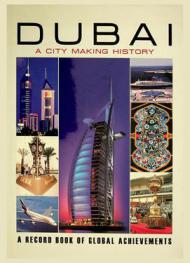
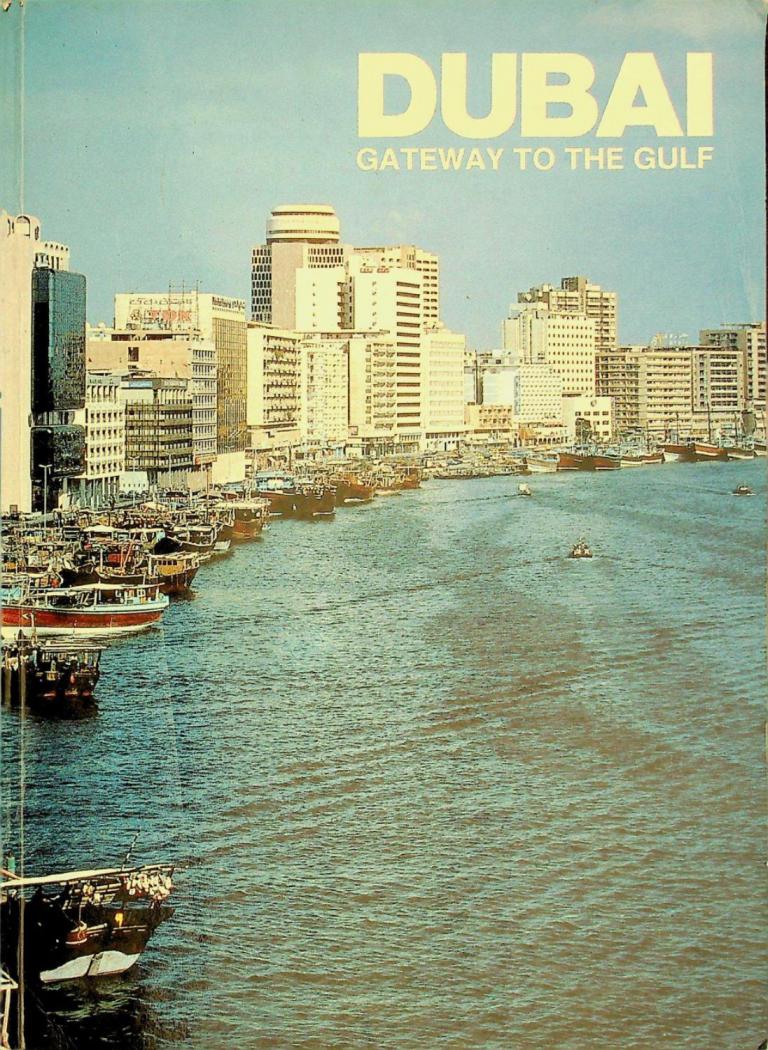
A detailed examination of the increasingly ambitious developments and infrastructure programmes realized in Dubai since the 1970s. This book provides an invaluable understanding of Dubai urbanism, but by highlighting the cycle of typological borrowing, prototypical replication, and scalar amplification. It also argues that the definition of 'infrastructure' in this type of territorial development should be expanded into a set of objects, networks and services that cities can replicate and amplify.