
Catalogue Search | MBRL


Are you sure you want to remove the book from the shelf?

{{itemTitle}}
18,850
result(s) for
"EPIC"
Sort by:

The War Trumpet
The epic poems written during the rise of Portugal and Spain on the global stage often dealt with topics quite unimaginable to the likes of Virgil or Homer. These poems reveal the astounding opportunities for upward social mobility and self-promotion afforded by broader access to print and the vast amount of knowledge and material wealth accrued through maritime exploration. Iberian poets of the period were quite cognizant of their ventures into uncharted territory, and that awareness informed their literary journeys.
The War Trumpet features nine substantial essays that expand our understanding of Iberian Renaissance epic poetry by posing questions seldom raised in relation to poems such as La Araucana , Os Lusíadas , Carlo famoso , El Bernardo , Arauco Domado, Espejo de paciencia , and Felicissima Victoria , among others. Particularly compelling are questions concerned with early modern understandings of the natural world, the practice of poetic imitation, the discipline of cartography, or the reception of Petrarchism in the newly established viceroyalties of the New World. Fostering a greater appreciation of the intersection between poetry, war, and exploration, The War Trumpet sheds light on the transformative changes that took place during the period of Iberian expansion.
eBook
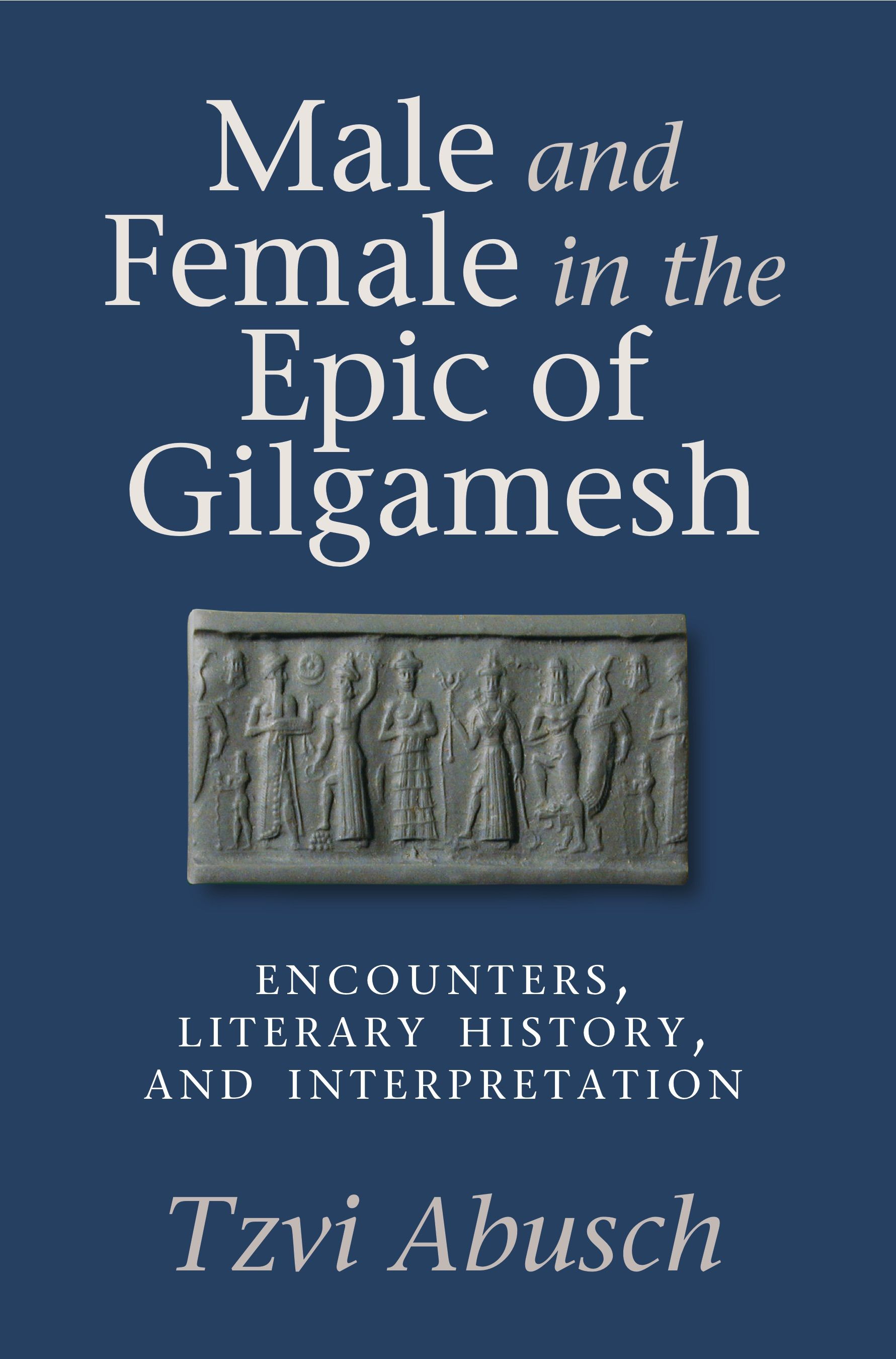
Male and female in the epic of Gilgamesh : encounters, literary history, and interpretation
The deeds and struggles of Gilgamesh, legendary king of the city-state Uruk in the land of Sumer, have fascinated readers for millennia. They are preserved primarily in the Epic of Gilgamesh, one of the most well-known pieces of Mesopotamian literature. Studying the text draws us into an orbit that is engaging and thrilling, for it is a work of fantasy and legend that addresses some of the very existential issues with which contemporary readers still grapple. We experience the excitement of trying to penetrate the mind-set of another civilization, an ancient one—in this instance, a civilization that ultimately gave rise to our own. The studies gathered here all demonstrate Tzvi Abusch's approach to ancient literature: to make use of the tools of literary, structural, and critical analysis in service of exploring the personal and psychological dimensions of the narration. The author focuses especially on the encounters between males and females in the story. The essays are not only instructive for understanding the Epic of Gilgamesh, they also serve as exemplary studies of ancient literature with a view to investigating streams of commonality between ancient times and ours
eBook
Early Greek epic fragments
This is the first full-scale commentary on the extant fragments of genealogical and antiquarian epic of the archaic period since G. Marckscheffel?s Latin commentary in 1840. It includes introduction to the relevant authors and poems, Greek text, translation, detailed commentary, index of the sources transmitting these texts, and a 'comparatio numerorum' with all the previous major editions.
Book
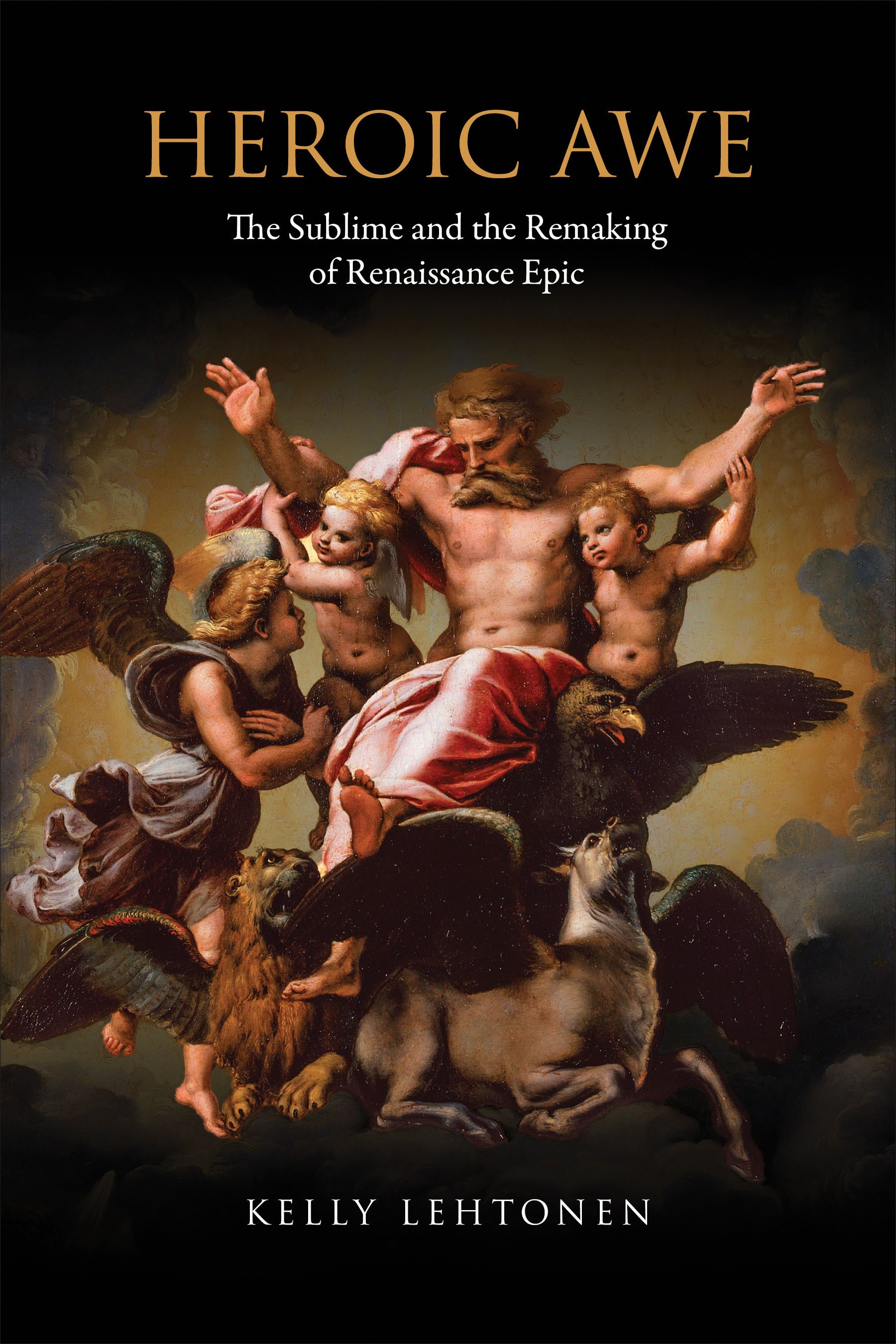
Heroic Awe
During the Renaissance, the most renowned model of epic poetry was Virgil's Aeneid, a poem promoting an influential concept of heroism based on the commitment to one's nation and gods. However, Longinus' theory of the sublime - newly recovered during the Renaissance - contradicted this absolute devotion to nation as a marker of religious piety. Heroic Awe explores how Renaissance epic poetry used the sublime to challenge the assumption that epic heroism was primarily about civic duty and glorification of state.The book demonstrates how the significant investment of Renaissance epic poetry in Longinus' theory of the sublime reshaped the genre of epic. To do so, Kelly Lehtonen examines the intersection between the Longinian sublime and early modern Protestant and Catholic discourses in Renaissance poems such as the Gerusalemme Liberata, Les Semaines, The Faerie Queene, and Paradise Lost. In illuminating the role of Longinus along with that of religious discourses, Heroic Awe offers a new perspective on epic heroism in Renaissance epic poetry, redefining heroism as the capacity to be overwhelmed emotionally, psychologically, and spiritually by encounters with divine glory. In considering the links between religion, the sublime, and epic, the book aims to shed new light on several core topics in early modern studies, including epic heroism, Renaissance philosophy, theories of emotion, and the psychology of religion.
eBook


The Transmission of \Beowulf\
The Transmission of \"Beowulf\"
like
The Iliad
and
The Odyssey
, is a foundational work of Western literature that
originated in mysterious circumstances. In
The Transmission of Beowulf , Leonard Neidorf addresses
philological questions that are fundamental to the study of the
poem. Is
Beowulf the product of unitary or composite
authorship? How substantially did scribes alter the text during
its transmission, and how much time elapsed between composition
and preservation?
Neidorf answers these questions by distinguishing linguistic
and metrical regularities, which originate with the
Beowulf poet, from patterns of textual corruption,
which descend from copyists involved in the poem's
transmission. He argues, on the basis of archaic features that
pervade
Beowulf and set it apart from other Old English poems,
that the text preserved in the sole extant manuscript (ca.
1000) is essentially the work of one poet who composed it circa
700. Of course, during the poem's written transmission, several
hundred scribal errors crept into its text. These errors are
interpreted in the central chapters of the book as valuable
evidence for language history, cultural change, and scribal
practice. Neidorf's analysis reveals that the scribes earnestly
attempted to standardize and modernize the text's orthography,
but their unfamiliarity with obsolete words and ancient heroes
resulted in frequent errors. The
Beowulf manuscript thus emerges from his study as an
indispensible witness to processes of linguistic and cultural
change that took place in England between the eighth and
eleventh centuries. An appendix addresses
J. R. R. Tolkien's Beowulf: A Translation and
Commentary , which was published in 2014. Neidorf assesses
Tolkien's general views on the transmission of Beowulf and
evaluates his position on various textual issues.
eBook

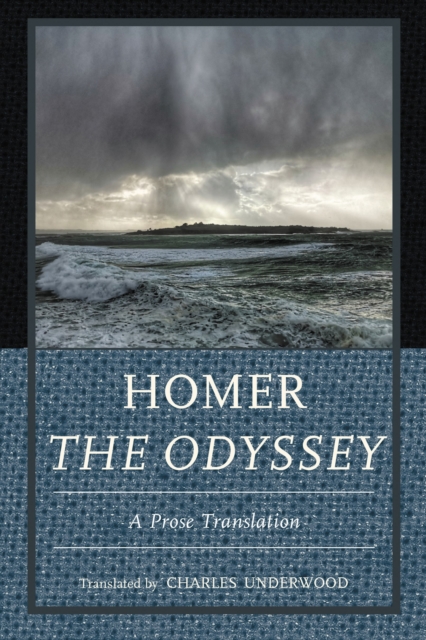
The Odyssey: A Prose Translation
The Odyssey is an ancient Greek epic about the challenges and hardships Odysseus faces in his rambling ten-year journey homeward after the Trojan War and in the days following his arrival on the island of Ithaka, his homeland. Depicting his own and others' social displacement after the war, and describing his successive challenges against human, natural and supernatural adversaries, the epic dramatizes his problematic process of healing from the trauma of war and his slow, arduous attempt to recover a sense of personal identity among his people, his wife, his son, and others who have longed for his return. In depicting the struggles of Odysseus, his wife Penelope, and his son Telemakhos, as well as key minor characters such as the slaves Eurykleia and Eumaios, in response to their social displacement, The Odyssey offers us literature's first full-length narrative focused on the everyday heroism of ordinary human beings in the face of implacable misfortune and adversity.
eBook