
Catalogue Search | MBRL


Are you sure you want to remove the book from the shelf?

{{itemTitle}}
16,581
result(s) for
"Educational technology Computer-assisted instruction."
Sort by:

Using technology to support high-impact educational practice
\"Emphasizing the importance of preparing students for the global workforce, this title explains how to teach using the latest educational technology\"-- Provided by publisher.
Book
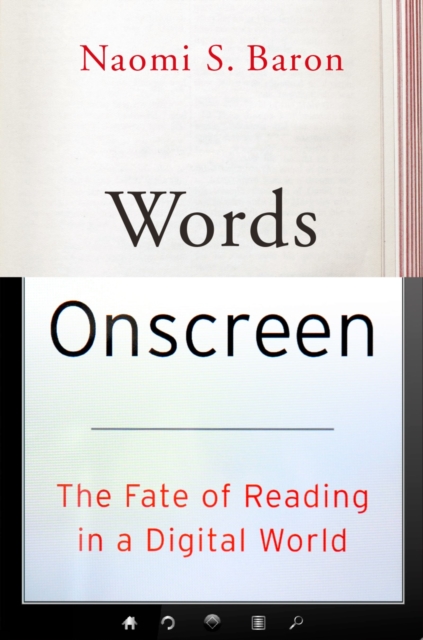
Words Onscreen
People have been reading on computer screens for several decades now, predating popularization of personal computers and widespread use of the internet. But it was the rise of eReaders and tablets that caused digital reading to explode. In 2007, Amazon introduced its first Kindle. Three years later, Apple debuted the iPad. Meanwhile, as mobile phone technology improved and smartphones proliferated, the phone became another vital reading platform. In Words Onscreen, Naomi Baron, an expert on language and technology, explores how technology is reshaping our understanding of what it means to read. Digital reading is increasingly popular. Reading onscreen has many virtues, including convenience, potential cost-savings, and the opportunity to bring free access to books and other written materials to people around the world. Yet, Baron argues, the virtues of eReading are matched with drawbacks. Users are easily distracted by other temptations on their devices, multitasking is rampant, and screens coax us to skim rather than read in-depth. What is more, if the way we read is changing, so is the way we write. In response to changing reading habits, many authors and publishers are producing shorter works and ones that don't require reflection or close reading. In her tour through the new world of eReading, Baron weights the value of reading physical print versus online text, including the question of what long-standing benefits of reading might be lost if we go overwhelmingly digital. She also probes how the internet is shifting reading from being a solitary experience to a social one, and the reasons why eReading has taken off in some countries, especially the United States and United Kingdom, but not others, like France and Japan. Reaching past the hype on both sides of the discussion, Baron draws upon her own cross-cultural studies to offer a clear-eyed and balanced analysis of the ways technology is affecting the ways we read today-and what the future might bring.
eBook


Adventures in Authentic Learning
This insider’s guide from a seasoned technology coach provides classroom teachers with ideas and strategies to help students develop real-world projects to support authentic learning.
Not every teacher has a dedicated coach who can support them in the classroom. Even those who do can benefit from additional ideas and support from a seasoned coach. Written by an experienced instructional technologist, this book is designed to help fill this role, showing teachers how to empower students to take charge of their own learning and provide creative and authentic opportunities for students to demonstrate their knowledge through projects.
With this book, teachers will get the guidance they need to help students engage in learning experiences that allow them to reflect on their level of knowledge and what they need to learn, while exploring topics that correspond with their interests. Instead of providing text-based slideshow presentations that students read off a screen, teachers will learn to guide students in creating tutorial videos, providing peer reviews, curating their own resources and participating in debates.
The book:
Shows how to take the fear out of edtech projects and presentations, while helping educators solve the problem of finding time to develop and manage authentic projects.
Offers a blueprint for implementing high-quality strategies and lesson ideas in classes, with a plethora of practical resources to inspire students.
Demonstrates the importance of pedagogy before tech, with some activities highlighting a blend of hands-on learning and technology.
Aligns projects to the ISTE Standards, providing a road map for creating valuable opportunities to help students become successful lifelong learners.
Includes at least three project lesson plans in every chapter, with adaptations for brick-and-mortar and online learning; as well as templates and student examples.
For those just beginning to implement projects in their classroom, this book provides a framework for getting started. For those who have been incorporating student projects successfully for years, this book provides fresh ideas and strategies to help students further develop as creative communicators.
Audience: K-12 educators and edtech coaches
eBook

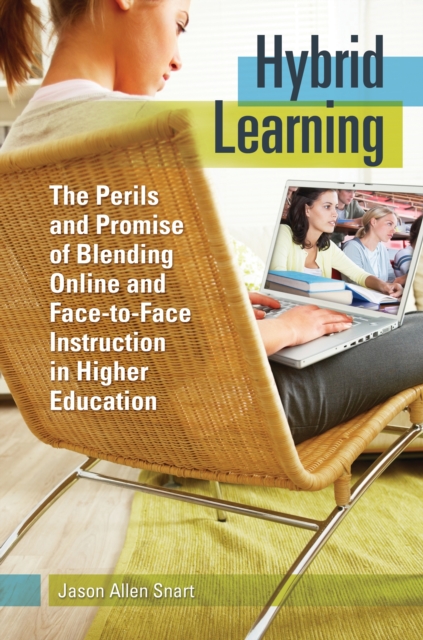
Hybrid Learning
A call for the extension of hybrid learning urges that it become not just a quick fix or a boon for the bottom line, but an educational mode that reenvisions quality teaching and learning for the 21st century. Hybrid Learning: The Perils and Promise of Blending Online and Face-to-Face Instruction in Higher Education is an in-depth exploration of a new learning mode that could radically change higher education, incorporating emerging trends in technology and multimedia use—including online gaming, social networking, and other Web 2.0 applications—to create engaging and dynamic learning environments. Laying out fundamental challenges facing higher education today, this book shows how hybrid instruction can be designed and implemented to deliver excellent educational value in flexible modes and at moderate costs well-suited to the circumstances of many students and institutions. The book lays out the characteristic profiles of students who are most likely to benefit from and perform well in a hybrid learning environment, as well as the features and practices of hybrid courses most likely to produce positive learning outcomes. It also specifies the obligations of faculty in designing and delivering best-practice hybrid courses and the support and policy obligations of institutions. Challenging prima-facie assumptions about hybrid learning, the author promotes it as nothing less than an opportunity to reenvision education for the 21st century.
eBook

Mind, brain and technology : learning in the age of emerging technologies
\"As technology becomes increasingly integrated into our society, cultural expectations and needs are changing. Social understanding, family roles, organizational skills, and daily activities are all adapting to the demands of ever-present technology, causing changes in human brain, emotions, and behaviors. An understanding of the impact of technology upon our lives is essential if we are to adequately educate children for the future and plan for meaningful learning environments for them. Mind, Brain and Technology provides an overview of these changes from a wide variety of perspectives. Designed as a textbook for students in the fields and interdisciplinary areas of psychology, neuroscience, technology, computer science, and education, the book offers insights for researchers, professionals, educators, and anyone interested in learning more about the integration of mind, brain and technology in their lives. The book skilfully guides readers to explore alternatives, generate new ideas, and develop constructive plans both for their own lives and for future educational needs.\" -- Publisher's description
Book


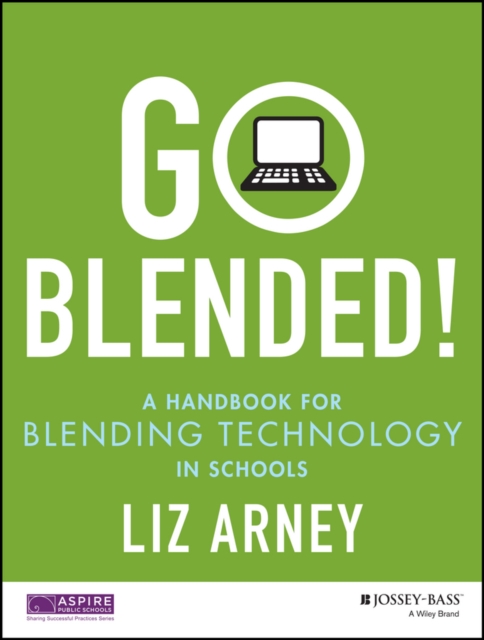
Go Blended!
Craft a blended learning program tailor-made for your students Go Blended! is a practical implementation guide for educators interested in getting blended learning off the ground. Author Liz Arney is a seasoned developer of blended learning programs at Aspire Public Schools, and she also closely collaborates with district and charter leaders from across the country on this work. Go Blended! offers boots-on-the-ground support for laying the foundation for a blended learning program in our schools and classrooms. Throughout the book teachers with blended learning experience share helpful tips and lesson plans to help educators make purposeful choices in using technology to fulfill students' needs without becoming an end in itself. This useful guide also offers key documents and timelines to support a blended learning implementation and provides step-by-step practical advice for avoiding mistakes. Readers will gain expert insight into both the broad and narrow of blended transition, from sweeping concepts like program goals to nitty-gritty details like teaching routines around technology use.
eBook