
Catalogue Search | MBRL


Are you sure you want to remove the book from the shelf?

{{itemTitle}}
137
result(s) for
"Elsa Morante"
Sort by:
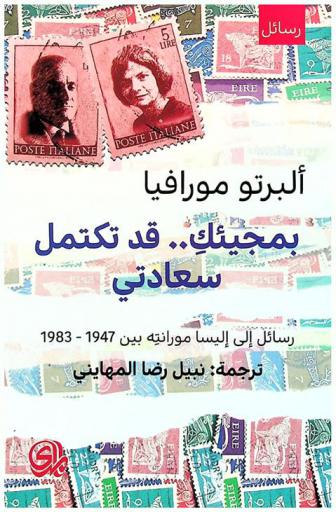
بمجيئك ... قد تكتمل سعادتي : رسائل إلى إيلسا مورانته بين 1947-1983
لدى الناس أمور أخرى غير الحب ليفكروا فيها... عبر ألبرتو مورافيا أمام أبلسا مورانته بهذه... الكلمات الحاسمة عن شكوكه إزاء تحقيق حول الحب كان من المقرر أن يكتبه بتكليف من مجلة أوروبيو. لقد كانت هذه الشكوك معقولة إذا نظرنا إليها يعبون إيطاليا ما بعد الحرب التي كانت بصدد إعادة الإعمار بعد البؤس والخراب، ومع هذا فإننا نجد في جميع العهود والظروف التاريخية، أن الاهتمام بمشاعر الحب لا يتناقض أبدا. بل إن مورافيا سماها في حوار أجراه مع ماريو فورتوناتو مشعلا ضخما، ونوعا من المرض، توسعا غير عادي لا أنا، ذلك لأن الحب بكل بساطة لا يتغير، وربما لهذا السبب نرى أن الأزواج من الفنانين والمفكرين كانوا دائما يمارسون كثيرا من الجاذبية، خاصة عندما تظهر أمام الملأ مراسلاتهم الغرامية. في هذه المراسلات التي أرسلها مورافيا إلى مورانته بين 1997 والثمانينيات نرى كيف يتقابل رجل مع امرأة، وأديب مع أدبية من كبار أدباء القرن العشرين، لذلك فإن قيمة هذه الوثائق المجموعة في هذا الكتاب تكمن في شهادة باطنية عن رابطة لا يمكن أن نفصل فيها بين الحياة والفن. حتى إن الحب ينعكس ضمن بعد كوني آخر، رغم أنه لا شيء خاص أكثر من الحب، ولا شيء أدبيا أكثر من الحب، يدل على الأمر رسائل مورافيا هذه التي كتبها بعفوية وبصدق تفجرا في نفسه دون تأملات مسبقة، وبحشمة لا تمنع من مشاركة الآخرين بالمشاريع والأفكار وأحاسيس القلق، وما سمته مورانته حبا بالإكراه يأخذ هنا شكلا حقيقيا ل صعوبة التعبير العاطفي الموروثة عن سنوات المرض والأحزان الطويلة التي جربها الكاتب في عهد الصبا، كما يقول المؤلف. هذه الرسائل التي نشأت في ساعات بعد جسدي وبشري عن مورانته سمحت لمورافيا أن يكون دائما إلى جانبها، أو أن يسمع، للتعويض عن هذا النقص جاءت رسائل مورافيا لتظهر مراحل من حياة مورانته، التي عاشتها بين كثير من الإرهاق والنجاحات الأدبية والمآسي، وذلك من خلال تقرب لم ينكره أحد، ولا حتى غداة انفصال الزوجين الذي لم يصبح طلاقا بمعنى الكلمة، خاصة، بعد أن بقي الزوجان لخمس وعشرين سنة معا.
BOOK
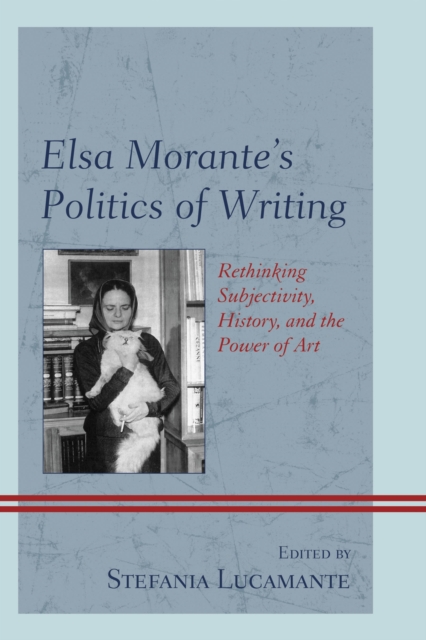
Elsa Morante's politics of writing
Elsa Morante's Politics of Writing is a collected volume of twenty-one essays written by Morante specialists and international scholars.Essays gather attention on four broad critical topics, namely the relationship Morante entertained with the arts, cinema, theatre, and the visual arts; new critical approaches to her four novels; treatment of.
eBook


FROM BOOK TO SCREEN. IMAGES OF THE FASCIST DICTATORSHIP IN ELSA MORANTE'S LA STORIA
This article looks at La Storia (1974) by Elsa Morante, considering Morante's indictment of Fascism and representation of the past. Drawing from cultural memory studies and theories of emotions, it explores the influence of Morante's book on individual and collective memory. It discusses and examines the screenadaptation of La Storia (1986) by Luigi Comencini and, finally, considers how the works by Morante and Comencini have represented Fascist Italy and the Second World War. La Storia is here considered as a bearer of historical knowledge and a channel of memory, both in the literary, cinematographic and televisual form. It is not only an outcome of remembrance, but also an active ingredient in the process of forging cultural memory. Key Words: Elsa Morante, Luigi Comencini, La Storia, Cultural Memory Studies, Theory of Adaptation.
Journal Article

Elsa Morante y La Storia: la pérdida absoluta en Ida Ramundo. En recuperación de la dignidad
La Storia es el relato de la vida de Ida, pero, por encima de todo, es el relato de la pérdida. A Ida se le arrebata la intimidad, el hogar, la libertad, la confianza, la salud, así como todos los seres a los que ama. Los alumnos trabajarán al personaje descubriendo que cada una de estas pérdidas comporta, en última instancia, la pérdida de dignidad. Deberán escribir un final alternativo a cada pérdida sufrida en el que, si bien esta resulte irreparable, no así la dignidad de la persona.
Journal Article
Lo specchio e la prigione. Il realismo popolare di \Menzogna e Sortilegio\
Questo articolo si pone l’obiettivo di interpretare la particolare forma romanzo elaborata da Elsa Morante nel contesto letterario novecentesco europeo. Attraversando le dichiarazioni di poetica d’autrice raccolte in Pro o contro la bomba atomica e focalizzando l’analisi sul romanzo d’esordio, Menzogna e sortilegio(1948), si intende mettere in luce la funzione strutturante della trama nelle opere di questa scrittrice, come tensione a un dominio logico-temporale della realtà e come volontà comunicativa rivolta al lettore. Una simile eredità realista – secondo l’interpretazione che di realismo dà G. Lukács – viene osservata nel suo intrecciarsi a modi tipici della letteratura popolare e considerata in relazione dialettica con gli aspetti novecenteschi della scrittura di Morante.
Journal Article

‘Negletta prole’: Leopardi’s legacy in Morante’s Aracoeli
This contribution addresses Giacomo Leopardi’s so far neglected legacy in Elsa Morante’s Aracoeli (1982), by unveiling the existence of two direct Leopardian hypotexts in the novel: the ‘Ultimo canto di Saffo’ (1822) and the ‘Dialogo della Natura e di un Islandese’ (1824). Focusing, in particular, on the correspondences between Aracoeli and Leopardi’s ‘Ultimo canto di Saffo’, the contribution points to the mourning aspect of the two œuvres, in which the narrative and lyrical voices (respectively, Manuele and Saffo) chant a cathartic elegy through which their wretchedness, far from being erased, leaves space for a resolving conciliation.
Journal Article

PAROLE CHE VOLANO. FORTUNE E AVVENTURE INTERMEDIALI DI TI HO SPOSATO PER ALLEGRIA
L'articolo indaga le fortune intermediali di Ti ho sposato per allegria (1966), seguendo la commedia d'esordio di Natalia Ginzburg a partire dalla prima rappresentazione teatrale (1966), passando poi per la realizzazione in forma di radiodramma (1967) e giungendo infine all'adattamento cinematografico (1967), tutti con la regia di Luciano Salce. La prospettiva adottata intreccia il lavoro dell'autrice e gli sguardi delle due principali attrici che hanno interpretato la protagonista, Adriana Asti e Monica Vitti, sulla scorta di materiali differenti e poco conosciuti: copioni teatrali e radiofonici, schede di sala, sceneggiatura cinematografica, recensioni teatrali e memorie autobiografiche delle persone coinvolte.
Journal Article

Forget-me-not: Giving Voice to Memory in Mark Z. Danielewski's \The Familiar\ and Elsa Morante's \La Storia\
Among the many, intertwining motifs spanning the volumes of Mark Z. Danielewski’s The Familiar, the repeated reference to forget-me-nots is not one that leaps off the page to the reader. Its presence in Xanther’s seizure in Volume 4: Hades speaks to larger notions of memory of tragedies such as the Armenian Genocide, or even the chronomosaic timelines present in Danielewski’s earlier novel, Only Revolutions. This paper, while exploring notions notions of memory through Adriana Cavarero’s theory of the narratable self, will argue that their root is in Elsa Morante’s 1974 novel La Storia, which centers on a Jewish mother and her son, both epileptic, in Rome during World War II. Yet, while both works utilize their characters’ epilepsy as a way to better acknowledge the suffering and tragedies occurring around them, Morante’s articulation of the crushing wheel of history differs from the more hopeful presentation Danielewski provides. Through her epilepsy, Xanther instead emerges as a character who highlights the importance of giving voice to others, especially those unable to speak for themselves.
Journal Article