
Catalogue Search | MBRL


Are you sure you want to remove the book from the shelf?

{{itemTitle}}
759
result(s) for
"English language -- Study and teaching -- Computer-assisted instruction"
Sort by:

Digilect
The high degree of internet penetration and its social (and linguistic) effects evidently influence how people, and especially the highly susceptible younger generations, use language. The primary aim of the book is not only to identify the characteristic features of the digital language variety (this has already been done by several works) but to examine how digital communication affects the language of other mediums of communication: orality, handwritten texts, digitally created but not digitally perceived, that is printed texts, including in particular advertisements (which quickly respond to linguistic change). Naturally, the book presents the characteristics of the digital language variety (and coins the term digilect) but only to give a framework to the impact analysis. It is important to document changes in progress and thus direct attention to potential outcomes. The current linguistic change is different from previous ones primarily in its speed and form of spreading, and it not only brings innovative grammatical forms and writing/spelling solutions but may also have far-reaching cultural and educational consequences in the long run.
eBook

Multimodal Literacies and Emerging Genres
A student's avatar navigates a virtual world and communicates the desires, emotions, and fears of its creator. Yet, how can her writing instructor interpret this formof meaningmaking?Today, multiple modes of communication and information technology are challenging pedagogies in composition and across the disciplines. Writing instructors grapple with incorporating new forms into their curriculums and relating them to established literary practices. Administrators confront the application of new technologies to the restructuring of courses and the classroom itself.Multimodal Literacies and Emerging Genresexamines the possibilities, challenges, and realities of mutimodal composition as an effective means of communication. The chapters view the ways that writing instructors and their students are exploring the spaces where communication occurs, while also asking \"what else is possible.\" The genres of film, audio, photography, graphics, speeches, storyboards, PowerPoint presentations, virtual environments, written works, and others are investigated to discern both their capabilities and limitations. The contributors highlight the responsibility of instructors to guide students in the consideration of their audience and ethical responsibility, while also maintaining the ability to \"speak well.\" Additionally, they focus on the need for programmatic changes and a shift in institutional philosophy to close a possible \"digital divide\" and remain relevant in digital and global economies.Embracing and advancing multimodal communication is essential to both higher education and students. The contributors therefore call for the examination of how writing programs, faculty, and administrators are responding to change, and how the many purposes writing serves can effectively converge within composition curricula.
eBook

Language, Classrooms and Computers
As computers become more widely used in schools, it is clear that they have the potential not just to support the achievement of conventional goals, but also to redefine what we mean by reading, writing and discussion. The contributors to Language, Classroom and Computers - all with experience of teaching about language and computers for The Open University - use teachers' accounts together with their own research to examine how the use of computers in school can affect the ways in which children learn and teachers teach. The first section looks at some generic aspects of computer use, focusing particularly on class management: individual and group learning, the role of the teacher as facilitator and co-learner and the problems of limited access. The second section examines the contribution of specific sorts of software package: word processing, e-mail, hypertext and so on to lanugage learning. This is a book for everyone who wants IT to add a new dimension to their teaching.
eBook

Because digital writing matters : improving student writing in online and multimedia environments
\"How to apply digital writing skills effectively in the classroom, from the prestigious National Writing Project As many teachers know, students may be adept at text messaging and communicating online but do not know how to craft a basic essay. In the classroom, students are increasingly required to create web-based or multi-media productions that also include writing. Since writing in and for the online realm often defies standard writing conventions, this book defines digital writing and examines how best to integrate new technologies into writing instruction. Shows how to integrate new technologies into classroom lessons. Addresses the proliferation of writing in the digital age. Offers a guide for improving students' online writing skills. The book is an important manual for understanding this new frontier of writing for teachers, school leaders, university faculty, and teacher educators.\"--Provided by publisher.
Book
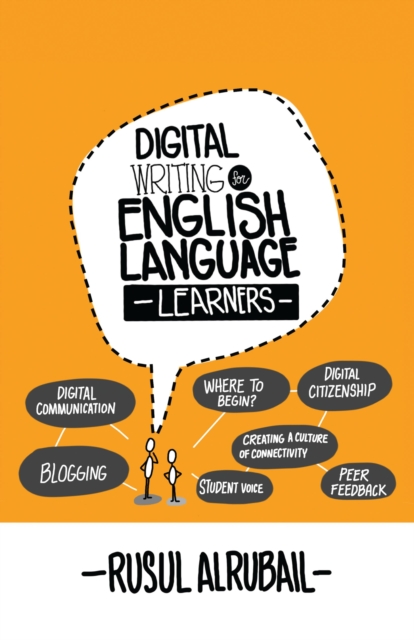
Digital writing for English language learners
Digital Writing for English Language learners looks at practical ways educators can implement the use of technology in their English and Language Arts classroom for English Language Learners. The book provides a variety of classroom activities and assignments that can be completed with English Language Learners using social media and other digital writing tools. The book also looks at creating a culture that fosters the necessary conditions for student voice to thrive in an English Language Learners' classroom.
eBook


Partners in literacy
Partners in Literacy describes the process, research, relationships, and theories that guided a three-year partnership between the Purdue University Writing Lab and two community organizations in Lafayette, Indiana: the Lafayette Adult Resource Academy and WorkOne Express.
eBook