
Catalogue Search | MBRL


Are you sure you want to remove the book from the shelf?

{{itemTitle}}
124
result(s) for
"English language Homonyms."
Sort by:

Where do you look?
A playful exploration of homonyms reveals how preschoolers can have fun with language, posing such questions as whether to find glasses on a shelf or a face and whether to find a wave at the beach or a train station.
Book

Understanding English Homonyms
Understanding English Homonyms: Their Origins and Usage introduces readers to the history and functions of English homonyms through clear explanations and carefully selected examples. The book traces the social, historical, and linguistic forces that shaped homonym development and provides etymological insights that reveal why these word pairs and sets have become a distinctive feature of English.
eBook

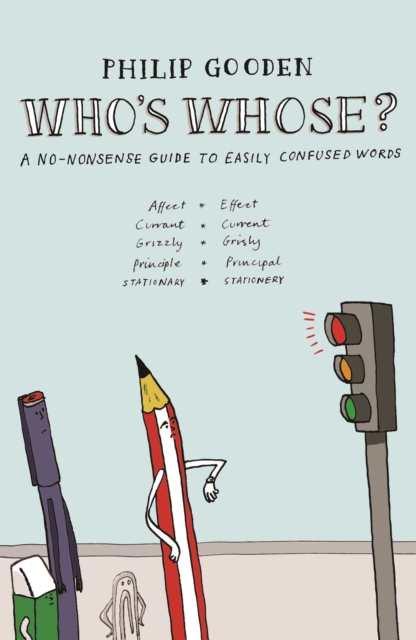
Who's Whose?
Who's Whose? is an entertaining and straightforward guide to the most commonly confused words in English today, with real examples of good and bad usage to make differences crystal-clear. The Embarrassment Rating involved in each mistake is included, together with an explanation of why the confusion happens and how to avoid it in the future. So if you mistrust (or distrust?) your spellchecker and want to maintain or improve your written English, this is the perfect companion for you.
eBook


Are you a ewe?
Eve and Grace find homophones on a farm, such as the sight of a horses braid and the sound of a donkey that brayed.
Book