
Catalogue Search | MBRL


Are you sure you want to remove the book from the shelf?

{{itemTitle}}
108
result(s) for
"English language Slang History."
Sort by:

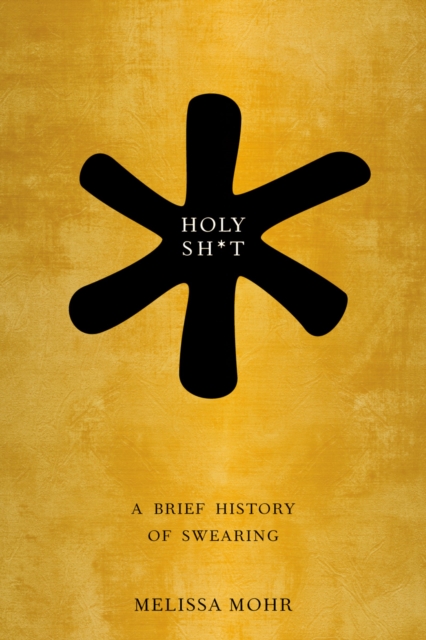
Holy shit : a brief history of swearing
Swearing is a fascinating thing. Almost everyone does it, or worries about not doing it, from the two-year-old who has just discovered the power of the potty mouth to the grandma who wonders why every other word she hears is obscene. But more than its cultural ubiquity, swearing is also interesting for what it tells us about language and society, today and in the past. This book tells the story of two kinds of swearing - obscenities and oaths - from ancient Rome and the Bible to today.
eBook

Holy shit : a brief history of swearing
\"Almost everyone swears, or worries about not swearing, from the two year-old who has just discovered the power of potty mouth to the grandma who wonders why every other word she hears is obscene. Whether they express anger or exhilaration, are meant to insult or to commend, swear words perform a crucial role in language. But swearing is also a uniquely well-suited lens through which to look at history, offering a record of what people care about on the deepest levels of a culture -- what's divine, what's terrifying, and what's taboo. Holy Sh*t tells the story of two kinds of swearing -- obscenities and oaths -- from ancient Rome and the Bible to today. Melissa Mohr takes readers on a journey to discover how \"swearing\" has come to include both testifying with your hand on the Bible and calling someone a *#$&!* when they cut you off on the highway. She explores obscenities in ancient Rome -- which were remarkably similar to our own -- and unearths the history of religious oaths in the Middle Ages, when swearing (or not swearing) an oath was often a matter of life and death. Holy Sh*t also explains the advancement of civility and corresponding censorship of language in the 18th century, considers the rise of racial slurs after World War II, examines the physiological effects of swearing (increased heart rate and greater pain tolerance), and answers a question that preoccupies the FCC, the US Senate, and anyone who has recently overheard little kids at a playground: are we swearing more now than people did in the past?\"--Publisher's description.
Book
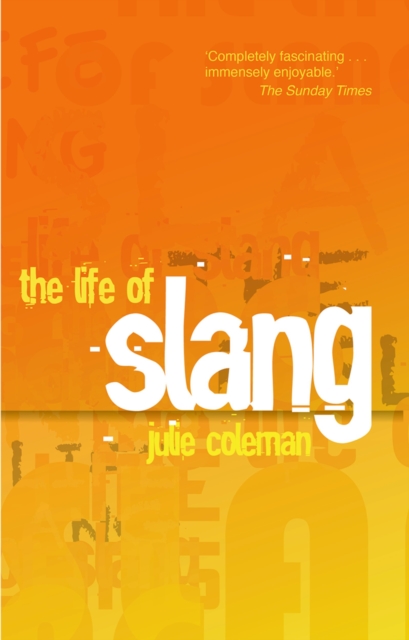
The Life of Slang
This book traces the development of English slang from the earliest records to the latest tweet and explores why and how slang is used. Based on inside information from real live slang users as well as the best scholarly sources, this book is guaranteed to teach you some new words that you shouldn't use in polite company.
eBook

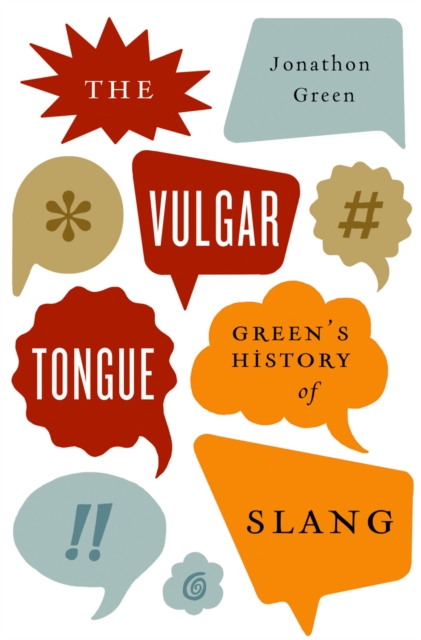
The Vulgar Tongue
Once the language of thieves and beggars, slang is an ever present part of today's culture for people across the strata. It allows us to connect to others, to express otherwise guarded thoughts, and to convey humor in the everyday. But how did slang escape its stigma as the language of the streets and integrate itself so seamlessly with \"standard English?\" The Vulgar Tongue tells the full story of English language slang, from its origins in early British beggar books to its spread in American and Australian culture in the eighteenth century. The aim is not to record the history of the over 125,000 English words that make up the lexis. Rather, the author focuses on the common, often profane themes that run through the word-list--crime, sex, bodily parts and functions, insults, and drink and drugs--and their scope and function throughout the various cultures and overlapping subcultures of English language history, from the sporting world to the university campus to ethnic communities. In tracing its development and trajectory throughout the English-speaking world, Jonathon Green offers an impassioned defence for its vitality, showing how slang has grown into a modern, versatile vocabulary that has nevertheless established its own role in contemporary English. Drawing on thirty years' worth of research, The Vulgar Tongue is a celebration of the words and phrases of an overlooked aspect of human language and interaction.
eBook

The depression alphabet primer
\"As a precaution against tip-overs, he had to show his map at the peephole, even though he scrubbed the onions nightly on the agony box at the blind pig. As usual, valentinos were trading kale for juniper juice at the bar and putting the eye on tootsie rolls.\" Enjoy the colorful vernacular of a bygone era in this magnificently researched alphabetic guidebook to the slang of the 1930s. Often referred to as the \"Dirty Thirties,\" it was a time marked by economic hardship, unemployment and excessive crime. The words and phrases reflect this, mirroring the concerns and vices of the day with a myriad of colloquialisms. Typographic flourishes and illustrations by award-winning artist Tony Millionaire breathe life into the idioms and elevate this volume to the status of lasting tribute.
Book


Holy Sht
A humorous, trenchant and fascinating examination of how Western culture's taboo words have evolved over the millennia.
eBook
Swearing in English
Do men use bad language more than women? How do social class and the use of bad language interact? Do young speakers use bad language more frequently than older speakers? Using the spoken section of the British National Corpus, Swearing in English explores questions such as these and considers at length the historical origins of modern attitudes to bad language.
Drawing on a variety of methodologies including historical research and corpus linguistics, and a range of data such as corpora, dramatic texts, early modern newsbooks and television, Tony McEnery takes a socio-historical approach to discourses about bad language in English. Arguing that purity of speech and power have come to be connected via a series of moral panics about bad language, the book contends that these moral panics, over time, have generated the differences observable in bad language usage in present day English.
A fascinating, comprehensive insight into an increasingly popular area, this book provides an explanation, and not simply a description, of how modern attitudes to bad language have come about.
List of Figures List of Tables Acknowledgments 1. Bad Language, Bad Manners Part I: How Brits Swear 2. \"So you recorded swearing\": Bad Language in Present-day English Part II: Censors, Zealots and Four-letter Assaults on Authority 3. Early Modern Censorship of Bad Language 4. Modern Attitudes to Bad Language Form: The Reformation of Manners 5. Late-twentieth-century Bad Language: The Moral Majority and Four-Letter assaults on Authority Part III: Discourses of Panic 6. Sea Change: The Society for the Reformation of Manners and Moral Panics About Bad Language 7. Mutations: The National Viewers’ and Listeners’ Association Moral Panic Postscript Notes Bibliography Index
eBook