
Catalogue Search | MBRL


Are you sure you want to remove the book from the shelf?

{{itemTitle}}
42
result(s) for
"Ethnology Computer network resources."
Sort by:


Qualitative research and hypermedia : ethnography for the digital age
This text sets out to equip qualitative researchers with the tools necessary to conduct ethnography in the age of email and the internet. It will investigate how digital technologies potentially transform the ways in which we do research. This text also introduces the reader to new emerging methods that utilise new technologies and explains how to conduct data collection, analysis and representation using new technologies and `hypermedia′.
eBook


Digital Ethnography
Digital ethnography can be understood as a method for representing real-life cultures through storytelling in digital media. Enabling audiences to go beyond absorbing facts, computer-based storytelling allows for immersion in the experience of another culture. A guide for anyone in the social sciences who seeks to enrich ethnographic techniques,Digital Ethnographyoffers a groundbreaking approach that utilizes interactive components to simulate cultural narratives.
Integrating insights from cultural anthropology, folklore, digital humanities, and digital heritage studies, this work brims with case studies that provide in-depth discussions of applied projects. Web links to multimedia examples are included as well, including projects, design documents, and other relevant materials related to the planning and execution of digital ethnography projects. In addition, new media tools such as database development and XML coding are explored and explained, bridging the literature on cyber-ethnography with inspiring examples such as blending cultural heritage with computer games.
One of the few books in its field to address the digital divide among researchers,Digital Ethnographyguides readers through the extraordinary potential for enrichment offered by technological resources, far from restricting research to quantitative methods usually associated with technology. The authors powerfully remind us that the study of culture is as much about affective traits of feeling and sensing as it is about cognition-an approach facilitated (not hindered) by the digital age.
eBook

Coming of age in Second Life : an anthropologist explores the virtually human
\"Tom Boellstorff conducted more than two years of fieldwork in Second Life, living among and observing its residents. He conducted his research in exactly the same way anthropologists study cultures and social groups in the so-called real world to explore issues of gender, race, sex, money, conflict and antisocial behavior, the construction of place and time, and the interplay of self and group. Now with a new preface in which the autor places his book in light of hte most recent transformations in online culture, Coming of age in Second Life remains the clasic ethnography of virtual worlds\"--Page 4 of cover.
Book

Digital Ethnography: An Examination of the Use of New Technologies for Social Research
The rise of digital technologies has the potential to open new directions in ethnography. Despite the ubiquity of these technologies, their infiltration into popular sociological research methods is still limited compared to the insatiable uptake of online scholarly research portals. This article argues that social researchers cannot afford to continue this trend. Building upon pioneering work in 'digital ethnography', I critically examine the possibilities and problems of four new technologies - online questionnaires, digital video, social networking websites, and blogs - and their potential impacts on the research relationship. The article concludes that a balanced combination of physical and digital ethnography not only gives researchers a larger and more exciting array of methods, but also enables them to demarginalize the voice of respondents. However, access to these technologies remains stratified by class, race, and gender of both researchers and respondents.
Journal Article
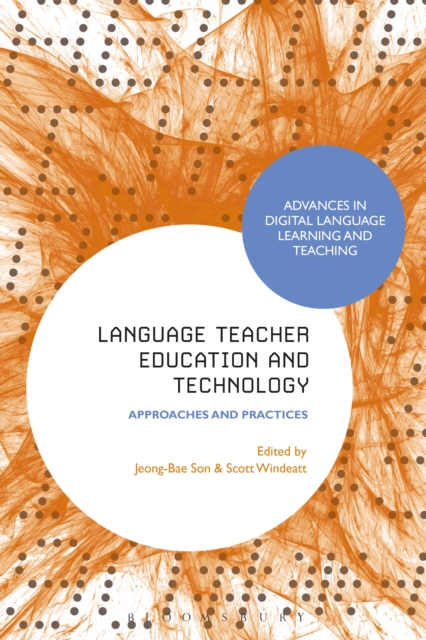
Language Teacher Education and Technology
Language teachers’ competencies in computer-assisted language learning (CALL) are a crucial factor affecting their own implementation of CALL. However, there is still a concern that many language teachers are not adequately prepared to make effective use of CALL or to identify and evaluate potential CALL solutions. This can be the result of many different factors and raises the question of how to train teachers to develop their CALL knowledge and skills to a greater degree. The discussion of approaches to training language teachers in the use of technology adopted in areas of Australia, the UK and the US provides valuable insights for those already involved in this area, and inspiration for those who have some interest in carrying out this kind of training, but as yet have little or no experience. This book explores the current status of CALL teacher education and discusses issues and challenges CALL teacher educators face in their own contexts. Specifically, it looks at postgraduate CALL courses offered at different universities to find ways of improving CALL teacher training. It represents the first overview of a topic that is relevant to most postgraduate courses in Applied Linguistics or TESOL across the globe. The use of technology for language learning and teaching is increasingly common but, as is so often the case, training for teachers in how to use that technology remains limited, to a large extent by lack of expertise among trainers.
eBook
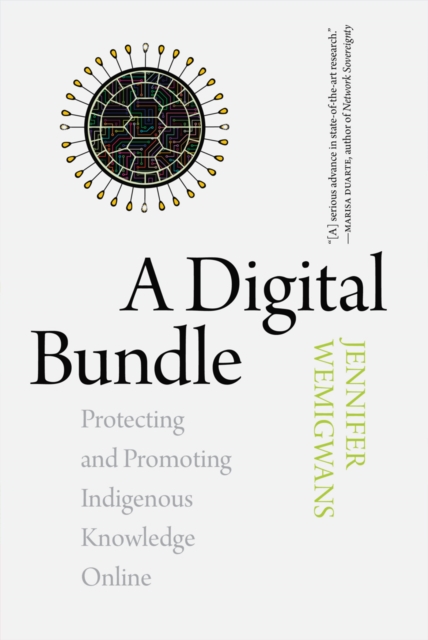
A Digital Bundle
An essential contribution to Internet activism and a must read for Indigenous educators, 'A Digital Bundle' frames digital technology as an important tool for self-determination and idea sharing, ultimately contributing to Indigenous resurgence and nation building. By defining Indigenous Knowledge online in terms of 'digital bundles,' Jennifer Wemigwans elevates both cultural protocol and cultural responsibilities, grounds online projects within Indigenous philosophical paradigms, and highlights new possibilities for both the Internet and Indigenous communities.
eBook
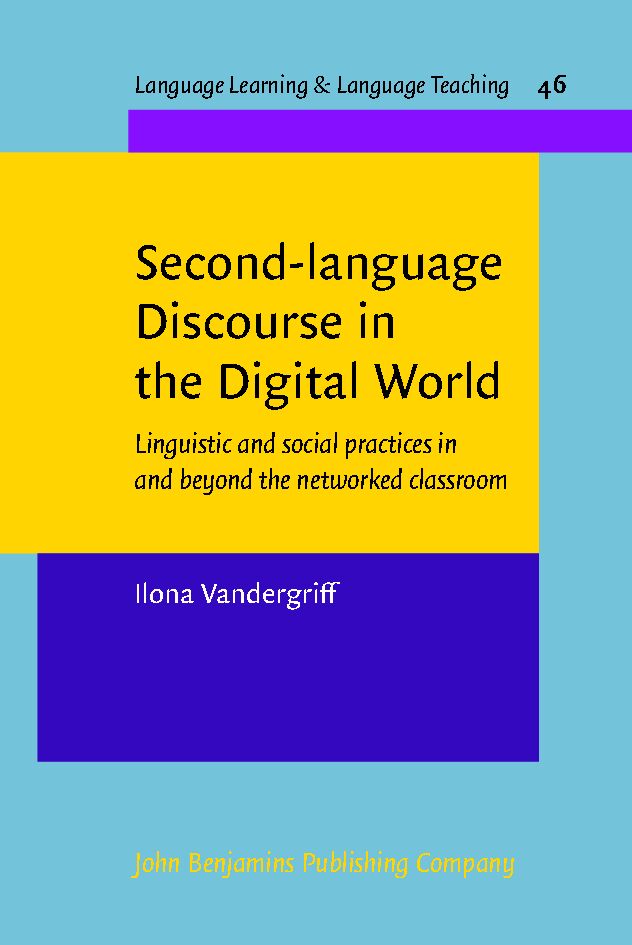
Second-language discourse in the digital world : linguistic and social practices in and beyond the networked classroom
Second-language Discourse in the Digital World illustrates a new, practice-driven approach to technology in second-language (L2) learning that begins with what L2 users do when they connect with others online. With its rich set of examples from a number of different languages and a variety of digital platforms, in and beyond the classroom, this book provides a structured account of L2 computer-mediated discourse. The book is divided into four sections. Section I considers how new media have changed language learning. Section II is about L2 participation in digital forms and practices in online communities. Sections III centers around L2 linguistic and other semiotic practices, including the use of multimodal and multilingual resources while section IV analyzes social practices to explore how networked L2 users build, maintain and challenge relationships. Written in accessible style, the volume will be an important read to anyone interested in L2 use and learning in Web 2.0.Finalist for the AAAL 2019 book award.
eBook
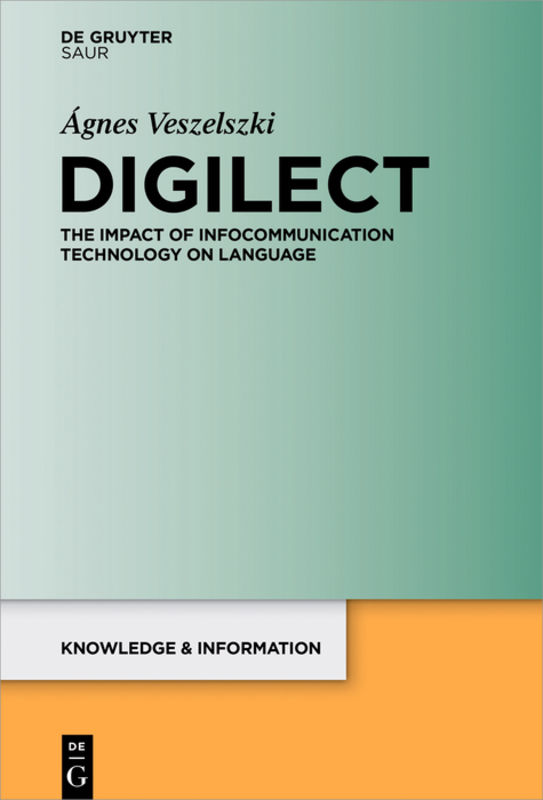
Digilect
The high degree of internet penetration and its social (and linguistic) effects evidently influence how people, and especially the highly susceptible younger generations, use language. The primary aim of the book is not only to identify the characteristic features of the digital language variety (this has already been done by several works) but to examine how digital communication affects the language of other mediums of communication: orality, handwritten texts, digitally created but not digitally perceived, that is printed texts, including in particular advertisements (which quickly respond to linguistic change). Naturally, the book presents the characteristics of the digital language variety (and coins the term digilect) but only to give a framework to the impact analysis. It is important to document changes in progress and thus direct attention to potential outcomes. The current linguistic change is different from previous ones primarily in its speed and form of spreading, and it not only brings innovative grammatical forms and writing/spelling solutions but may also have far-reaching cultural and educational consequences in the long run.
eBook