
Catalogue Search | MBRL


Are you sure you want to remove the book from the shelf?

{{itemTitle}}
18,093
result(s) for
"Exercise Physiological aspects"
Sort by:

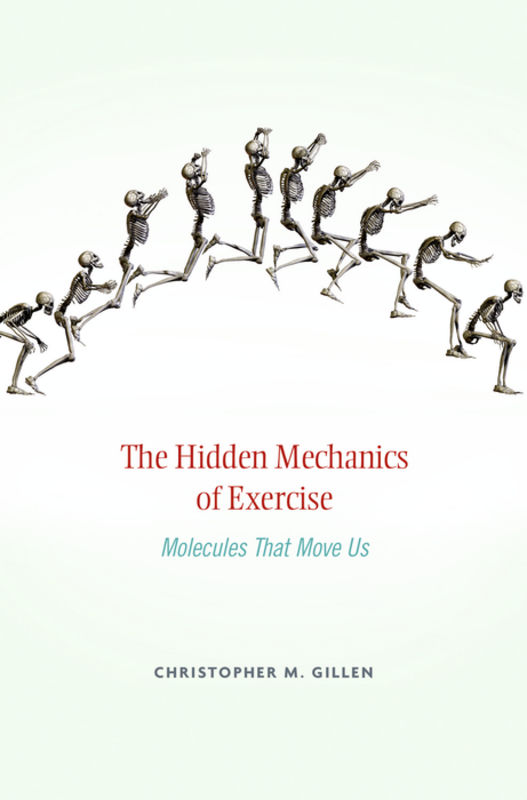
The hidden mechanics of exercise : molecules that move us
The Hidden Mechanics of Exercise reveals the microworld of the body in motion, from motor proteins that produce force to enzymes that extract energy from food, and tackles questions athletes ask: What should we ingest before and during a race? How does a hard workout trigger changes in our muscles? Why does exercise make us feel good?.
eBook

Physical Activity and Public Health Practice
Physical activity remains a critical area of research as we consider cost-effective measures for lowering the chronic disease epidemic worldwide. This volume summarizes essential topics in physical activity and community health and guides public health practitioners and researchers in understanding the positive impact that physical activity has on a host of disease states. The book includes historical insights into physical activity and health, public health philosophy, and approaches to understanding health concerns. It discusses the application of public health strategies to increase physical activity in youth, adults, and older adults and discusses effective policy and environmental approaches applied to various settings.
eBook


Routledge Handbook of Sport and Exercise Systems Genetics
Technological advances over the last two decades have placed genetic research at the forefront of sport and exercise science. It provides potential answers to some of contemporary sport and exercise's defining issues and throws up some of the area's most challenging ethical questions, but to date, it has rested on a fragmented and disparate literature base. The Routledge Handbook of Sport and Exercise Systems Genetics constitutes the most authoritative and comprehensive reference in this critical area of study, consolidating knowledge and providing a framework for interpreting future research findings.
Taking an approach which covers single gene variations, through genomics, epigenetics, and proteomics, to environmental and dietary influences on genetic mechanisms, the book is divided into seven sections. It examines state-of-the-art genetic methods, applies its approach to physical activity, exercise endurance, muscle strength, and sports performance, and discusses the ethical considerations associated with genetic research in sport and exercise.
Made up of contributions from some of the world's leading sport and exercise scientists and including chapters on important topical issues such as gene doping, gender testing, predicting sport performance and injury risk, and using genetic information to inform physical activity and health debates, the handbook is a vital addition to the sport and exercise literature. It is an important reference for any upper-level student, researcher, or practitioner working in the genetics of sport and exercise or exercise physiology, and crucial reading for any social scientist interested in the ethics of sport.
eBook

Physical activity and the aging brain : effects of exercise on neurological function
Physical Activity and the Aging Brain: Effects of Exercise on Neurological Function is a complete guide to the manifold effects of exercise and physical activity on the aging brain. Cognitive decline and motor impairment, onset of diseases and disorders, and even changes in family structure and social settings that occur as we age can all impact activity levels, yet continued physical activity is crucial for successful neurological functioning. This book examines the role that exercise and physical activity play in halting or modulating the deleterious effects of these numerous aging concerns by first examining the current state of research into how exercise manifests physical changes in the brain. It then discuss how physical activity combines with other lifestyle factors to benefit the aging brain, including nutrition, computerized brain training, and social engagement. Most significantly, it also covers how physical activity can serve as therapy to help alleviate the symptoms of various neurological diseases impacting aging populations, with particular emphasis on Alzheimer's disease and age-related cognitive decline. The book provides broad coverage of the effects of exercise and physical activity on the aging brain, its therapeutic effects, and the many factors that influence the aging process.Presents research scientists with a complete understanding of the role of exercise in healthy brain agingConsiders the roles of nutrition, the mind-body connection, and other lifestyle factorsPresents a major resource for exercise and physical activity in the neurological health of older adultsProvides a synopsis of key ideas associated with the many aspects of physical activity, along with lifestyle factors that can modify neurological diseases and age-related neurological decline
eBook

Nutrition for sport and exercise
Food and drink choices before, during and after training and competition have a direct impact on health, body mass and composition, nutrient availability and recovery time, and an optimal diet can significantly improve exercise performance.
eBook