
Catalogue Search | MBRL


Are you sure you want to remove the book from the shelf?

{{itemTitle}}
18,183
result(s) for
"Exercise Statistics."
Sort by:


Physical activity, sedentary behavior and risk of coronary artery disease, myocardial infarction and ischemic stroke: a two-sample Mendelian randomization study
AimsObservational evidence suggests that physical activity (PA) is inversely and sedentarism positively related with cardiovascular disease risk. We performed a two-sample Mendelian randomization (MR) analysis to examine whether genetically predicted PA and sedentary behavior are related to coronary artery disease, myocardial infarction, and ischemic stroke.Methods and resultsWe used single nucleotide polymorphisms (SNPs) associated with self-reported moderate to vigorous PA (n = 17), accelerometer based PA (n = 7) and accelerometer fraction of accelerations > 425 milli-gravities (n = 7) as well as sedentary behavior (n = 6) in the UK Biobank as instrumental variables in a two sample MR approach to assess whether these exposures are related to coronary artery disease and myocardial infarction in the CARDIoGRAMplusC4D genome-wide association study (GWAS) or ischemic stroke in the MEGASTROKE GWAS. The study population included 42,096 cases of coronary artery disease (99,121 controls), 27,509 cases of myocardial infarction (99,121 controls), and 34,217 cases of ischemic stroke (404,630 controls). We found no associations between genetically predicted self-reported moderate to vigorous PA, accelerometer-based PA or accelerometer fraction of accelerations > 425 milli-gravities as well as sedentary behavior with coronary artery disease, myocardial infarction, and ischemic stroke.ConclusionsThese results do not support a causal relationship between PA and sedentary behavior with risk of coronary artery disease, myocardial infarction, and ischemic stroke. Hence, previous observational studies may have been biased.Graphic abstract
Journal Article


Effect of Gamification With and Without Financial Incentives to Increase Physical Activity Among Veterans Classified as Having Obesity or Overweight
Gamification is increasingly being used for health promotion but has not been well tested with financial incentives or among veterans.
To test the effectiveness of gamification with social support, with and without a loss-framed financial incentive, to increase physical activity among veterans classified as having overweight and obesity.
This 3-group randomized clinical trial had a 12-week intervention period and an 8-week follow-up period. Participants included veterans with a body mass index greater than or equal to 25 who were receiving care from a single site in Philadelphia, Pennsylvania. Participants underwent a remotely monitored intervention from March 19, 2019, to August 9, 2020. Data analyses were conducted between October 1, 2020, and November 14, 2020.
All participants received a wearable device to track step counts and selected a step goal. The control group received feedback from their devices only. Participants in the 2 gamification groups were entered into a 12-week game with points and levels designed using behavioral economic principles and selected a support partner to receive weekly updates. Participants in the loss-framed financial incentive group had $120 allocated to a virtual account and lost $10 if weekly goals were not achieved.
The primary outcome was the change in mean daily steps from baseline during the intervention. Secondary outcomes include proportion of days goals were achieved and changes during follow-up.
A total of 180 participants were randomized, 60 to the gamification with social support group, 60 to the gamification with social support and loss-framed financial incentives group, and 60 to the control group. The participants had a mean (SD) age of 56.5 (12.9) years and a mean (SD) body mass index of 33.0 (5.6); 71 participants (39.4%) were women, 90 (50.0%) were White, and 67 (37.2%) were Black. During the intervention period, compared with control group participants, participants in the gamification with financial incentives group had a significant increase in mean daily steps from baseline (adjusted difference, 1224 steps; 95% CI, 451 to 1996 steps; P = .005), but participants in the gamification without financial incentives group did not (adjusted difference, 433 steps; 95% CI, -337 to 1203 steps; P = .81). The increase for the gamification with financial incentives group was not sustained during the follow-up period, and the step count was not significantly different than that of the control group (adjusted difference, 564 steps; 95% CI, -261 to 1389 steps; P = .37). Compared with the control group, participants in the intervention groups had a significantly higher adjusted proportion of days meeting their step goal during the main intervention and follow-up period (gamification with social support group, adjusted difference from control, 0.21 participant-day; 95% CI, 0.18-0.24 participant-day; P < .001; gamification with social support and loss-framed financial incentive group, adjusted difference from control, 0.34 participant-day; 95% CI, 0.31-0.37 participant-day; P < .001).
Among veterans classified as having overweight and obesity, gamification with social support combined with loss-framed financial incentives was associated with a modest increase in physical activity during the intervention period, but the increase was not sustained during follow-up. Gamification without incentives did not significantly change physical activity.
ClinicalTrials.gov Identifier: NCT03563027.
Journal Article

Associations of movement behaviors and body mass index: comparison between a report-based and monitor-based method using Compositional Data Analysis
Background/objectivesEvidence on the associations between lifestyle movement behaviors and obesity has been established without taking into account the time-constrained nature of categorized, time-based lifestyle behaviors. We examined the associations of sleep, sedentary behavior (SED), light-intensity physical activity (LPA), and moderate-to-vigorous PA (MVPA) with body mass index (BMI) using Compositional Data Analysis (CoDA), and compared the associations between a report-based method (24-h Physical Activity Recall; 24PAR) and a monitor-based method (SenseWear Armband; SWA).Subjects/methodsReplicate data from a representative sample of 1247 adults from the Physical Activity Measurement Survey (PAMS) were used in the study. Participants completed activity monitoring on two randomly selected days, each of which required wearing a SWA for a full day, and then completing a telephone-administered 24PAR the following day. Relationships among behavioral compositional parts and BMI were analyzed using CoDA via multiple linear regression models with both 24PAR and SWA data.ResultsUsing 24PAR, time spent in sleep (γ = −3.58, p = 0.011), SED (γ = 3.70, p = 0.002), and MVPA (γ = −0.53, p = 0.018) was associated with BMI. Using SWA, time spent in sleep (γ = −5.10, p < 0.001), SED (γ = 8.93, p < 0.001), LPA (γ = −3.12, p < 0.001), and MVPA (γ = −1.43, p < 0.001) was associated with BMI. The SWA models explained more variance in BMI (R2 = 0.28) compared with the 24PAR models (R2 = 0.07). The compositional isotemporal substitution models revealed reductions in BMI when replacing SED by MVPA, LPA (not with 24PAR) or sleep for both 24PAR and SWA, but the effect estimates were larger with SWA.ConclusionsFavorable levels of relative time spent in lifestyle movement behaviors were, in general, associated with decreased BMI. The observed associations were stronger using the monitor-based SWA method compared with the report-based 24PAR method.
Journal Article
Halo effect of a Mediterranean-lifestyle weight-loss intervention on untreated family members’ weight and physical activity: a prospective study
ObjectivesObesity is subject to strong family clustering. The relatives of participants in weight-loss interventions may also modify their lifestyle and lose weight. The aim of this study was to examine the presence and magnitude of a halo effect in untreated family members of participants enrolled in a randomized, multi-component, lifestyle intervention.MethodsA total of 148 untreated adult family members of participants in an intensive weight-loss lifestyle intervention (the PREDIMED-Plus study) were included. Changes at 1 and 2 years in body weight, physical activity, and adherence to a traditional Mediterranean diet (MedDiet) were measured. Generalized linear mixed models were used to assess whether the change differed between family members of the intervention group compared to the control.ResultsUntreated family members from the intervention group displayed a greater weight loss than those from the control after 1 and 2 years: adjusted 2-year weight change difference between groups was −3.98 (SE 1.10) kg (p < 0.001). There was a halo effect with regard to adherence to the MedDiet at one year which was sustained at two years: 2-year adjusted difference in MedDiet score change +3.25 (SE 0.46) (p < 0.001). In contrast, no halo effect was observed with regard to physical activity, as the untreated family members did not substantially modify their physical activity levels in either group, and the adjusted difference at two years between the 2 groups was −272 (SE 624) METs.min/week (p = 0.665).ConclusionsIn the first prospective study to assess the influence on untreated family members of a diet and physical activity weight-loss intervention, we found evidence of a halo effect in relatives on weight loss and improvement in adherence to a MedDiet, but not on physical activity. The expansion of MedDiet changes from individuals involved in a weight-loss intervention to their family members can be a facilitator for obesity prevention.
Journal Article
Dose-response effects of aerobic exercise on adiposity markers in postmenopausal women: pooled analyses from two randomized controlled trials
Background/objectiveExercise may reduce the risk of breast cancer through adiposity changes, but the dose-response effects of exercise volume on adiposity markers are unknown in postmenopausal women. We aimed to compare the dose-response effects of prescribed aerobic exercise volume on adiposity outcomes.Participants/methodsData from the Alberta Physical Activity and Breast Cancer Prevention (ALPHA) and Breast Cancer and Exercise Trial in Alberta (BETA) were pooled for this analysis (N = 720). These were 12-month randomized controlled trials, where participants were randomized to 225 min/week (mid-volume) of aerobic exercise versus usual inactive lifestyle (ALPHA), or 150 min/week (low-volume) versus 300 min/week (high-volume) (BETA). Fat mass and fat-free mass were measured using DXA and intra-abdominal and subcutaneous fat area were assessed with computed tomography.ResultsAfter 12 months of aerobic exercise, increasing exercise volumes from no exercise/control to 300 min/week resulted in statistically significant reductions in BMI, weight, fat mass, fat percentage, intra-abdominal and subcutaneous fat area (P < 0.001). Compared with controls, fat mass loss was −1.13, −1.98 and −2.09 kg in the low-, mid- and high-volume groups, respectively. Similarly, weight loss was −1.47, −1.83, −2.21 kg in the low-, mid- and high-volume groups, respectively, compared to controls, and intra-abdominal fat area loss was −7.44, −15.56 and −8.76 cm2 in the low-, mid- and high-volume groups, respectively, compared to controls. No evidence for a dose-response effect on fat-free mass was noted.ConclusionA dose-response effect of exercise volume on adiposity markers was noted, however, the differences in adiposity markers were smaller when comparing 225 min/week to 300 min/week of exercise. Given the strong positive associations between obesity and postmenopausal breast cancer risk, this study provides evidence on the importance of exercise volume as part of the exercise prescription to reduce adiposity and, ultimately, postmenopausal breast cancer risk.
Journal Article

Assessing the Clinical Effectiveness of an Exergame-Based Exercise Training Program Using Ring Fit Adventure to Prevent and Postpone Frailty and Sarcopenia Among Older Adults in Rural Long-Term Care Facilities: Randomized Controlled Trial
Frailty and sarcopenia are geriatric syndromes of increasing concern and are associated with adverse health outcomes. They are more prevalent among long-term care facility (LTCF) users than among community dwellers. Exercise, especially multicomponent and progressive resistance training, is essential for managing these conditions. However, LTCFs, particularly in rural areas, face challenges in implementing structured exercise programs due to health care professional shortages. Moreover, older adults often become bored with repetitive exercise training and may lose interest over time. The Nintendo Switch Ring Fit Adventure (RFA) exergame is a novel exergame that combines resistance, aerobic, and balance exercises and offers a potential solution by boosting motivation in an immersive manner and reducing staff intervention needs.
We aimed to evaluate the clinical effectiveness of an exergame-based exercise training program delivered via RFA (exergame-RFA) in improving muscle mass and functional performance among older adult LTCF users.
This was a randomized controlled trial conducted from August 2022 to September 2023 and involved older adult LTCF users (aged ≥60 y) in rural southern Taiwan. Participants were randomized into an intervention group (exergame-RFA plus standard care) or a control group (standard care alone). The intervention, conducted seated with arm fit skills and trunk control exercises using the RFA, lasted 30 minutes twice weekly over 12 weeks. The primary outcomes measured were the Study of Osteoporotic Fractures index (serving as an indicator of frailty status) and the diagnostic criteria for sarcopenia (appendicular skeletal muscle mass index, handgrip strength, and gait speed). The secondary outcomes included functional performance (box and block test as well as maximum voluntary isometric contraction of the dominant upper extremity), muscle condition (muscle thickness measured using ultrasonography), activities of daily living (Kihon checklist), health-related quality of life (Short Form Health Survey-36), and cognitive function (brain health test). We used an intention-to-treat analysis, incorporating a simple imputation technique in statistical analysis. A mixed ANOVA, with time as a within-participant factor and intervention as a between-participant factor, was used to compare the training effects on outcomes.
We recruited 96 individuals, of whom 60 (62%) underwent randomization. Of these 60 participants, 55 (92%) completed the study. Significant group×time interactions were observed in the intervention group in all primary outcomes (all P<.001, except P=.01 for handgrip strength) and most secondary outcomes, including maximum voluntary isometric contraction of the biceps (P=.004) and triceps brachii (P<.001) muscles, biceps muscle thickness measured using ultrasonography (P<.001), box and block test (P<.001), Kihon checklist (physical function: P=.01, mood status: P=.003, and total: P=.003), and brain health test (P<.001).
The exergame-RFA intervention significantly improved muscle mass, strength, and functional performance among older adult users of rural LTCFs, offering a novel approach to addressing frailty and sarcopenia.
ClinicalTrials.gov NCT05360667; https://clinicaltrials.gov/study/NCT05360667.
RR2-10.3389/fmed.2022.1071409.
Journal Article

Impact of Physical Activity Differences Due to COVID-19 Pandemic Lockdown on Non-Alcoholic Fatty Liver Parameters in Adults with Metabolic Syndrome
Background: A Mediterranean lifestyle with a Mediterranean diet and regular physical activity (PA) improves metabolic syndrome (MetS) characteristics and non-alcoholic fatty liver disease (NAFLD). The COVID-19 pandemic stopped healthy habits and increased NAFLD progression. Objectives: To assess how PA differences due to COVID-19 lockdown affected NAFLD parameters in adults with MetS. Design: Longitudinal 2-year analysis of data obtained between COVID-19 pre- and post-lockdown in a parallel-group randomized trial (n = 57, aged 40–60 years old, with MetS and NAFLD). Methods: NAFLD status and related parameters were assessed by magnetic resonance imaging (MRI), blood collection analysis and related indexes. PA and fitness status were assessed by an Alpha-Fit test battery, accelerometers, validated Minnesota questionnaire and functional fitness score. During lockdown, study personnel telephoned patients to motivate them. Participants were grouped according to PA levels. Results: The low PA group improved its fitness score tests (0.2) after lockdown more than the medium PA group, and it decreased its sedentary activity (−48.7 min/day), increased light (20.9 min/day) and moderate (32.3 min/day) PA intensities and improved sleep efficiency (0.6%) in comparison with the medium and high PA groups. The high PA group increased its steps per day more than the other groups. The low PA group was the only group that decreased its gamma glutamyl transferase (GGT) levels (−17.0 U/L). All groups increased their fatty liver index (FLI) after lockdown, but the medium PA group increased its FLI more than the low PA group. Participants in the high PA group decreased their HDL-cholesterol levels more than participants in the medium PA group (−0.4 mg/dL). Conclusions: Stopping regular PA together with an unhealthy lifestyle leads to a worsening of MetS and NAFLD. COVID-19 lockdown induced a decrease in PA in more active people, but inactive people increased their PA levels. Motivation seemed to be very important during lockdown.
Journal Article
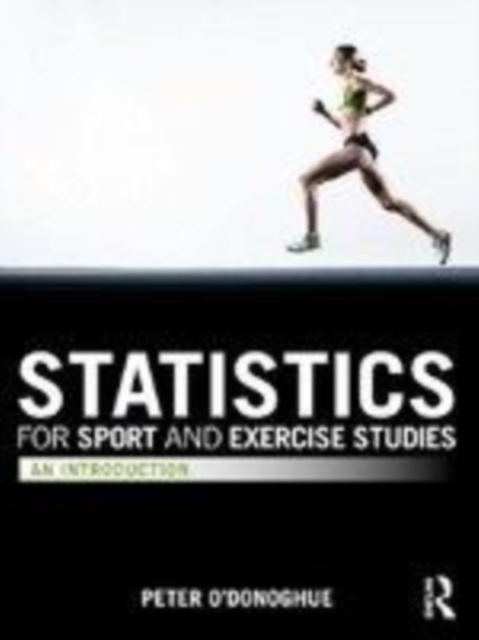
Statistics for Sport and Exercise Studies
Statistics for Sport and Exercise Studies guides the student through the full research process, from selecting the most appropriate statistical procedure, to analysing data, to the presentation of results, illustrating every key step in the process with clear examples, case-studies and data taken from real sport and exercise settings.
Every chapter includes a range of features designed to help the student grasp the underlying concepts and relate each statistical procedure to their own research project, including definitions of key terms, practical exercises, worked examples and clear summaries. The book also offers an in-depth and practical guide to using SPSS in sport and exercise research, the most commonly used data analysis software in sport and exercise departments. In addition, a companion website includes more than 100 downloadable data sets and work sheets for use in or out of the classroom, full solutions to exercises contained in the book, plus over 1,300 PowerPoint slides for use by tutors and lecturers.
Statistics for Sport and Exercise Studies is a complete, user-friendly introduction to the use of statistical tests, techniques and procedures in sport, exercise and related subjects.
Visit the companion website at: www.routledge.com/cw/odonoghue
eBook