
Catalogue Search | MBRL


Are you sure you want to remove the book from the shelf?

{{itemTitle}}
53,525
result(s) for
"Exercise Test"
Sort by:


Accuracy of the Cosmed K5 portable calorimeter
The purpose of this study was to assess the accuracy of the Cosmed K5 portable metabolic system dynamic mixing chamber (MC) and breath-by-breath (BxB) modes against the criterion Douglas bag (DB) method.
Fifteen participants (mean age±SD, 30.6±7.4 yrs) had their metabolic variables measured at rest and during cycling at 50, 100, 150, 200, and 250W. During each stage, participants were connected to the first respiratory gas collection method (randomized) for the first four minutes to reach steady state, followed by 3-min (or 5-min for DB) collection periods for the resting condition, and 2-min collection periods for all cycling intensities. Collection periods for the second and third methods were preceded by a washout of 1-3 min. Repeated measures ANOVAs were used to compare metabolic variables measured by each method, for seated rest and each cycling work rate.
For ventilation (VE) and oxygen uptake (VO2), the K5 MC and BxB modes were within 2.1 l/min (VE) and 0.08 l/min (VO2) of the DB (p≥0.05). Compared to DB values, carbon dioxide production (VCO2) was significantly underestimated by the K5 BxB mode at work rates ≥150W by 0.12-0.31 l/min (p<0.05). K5 MC and BxB respiratory exchange ratio values were significantly lower than DB at cycling work rates ≥100W by 0.03-0.08 (p<0.05).
Compared to the DB method, the K5 MC and BxB modes are acceptable for measuring VE and VO2 across a wide range of cycling intensities. Both K5 modes provided comparable values to each other.
Journal Article


Enhancing dentate gyrus function with dietary flavanols improves cognition in older adults
This study provides causal evidence demonstrating that consuming a high flavanol diet improves dentate gyrus function and dentate gyrus–dependent cognitive functions in aged humans.
The dentate gyrus (DG) is a region in the hippocampal formation whose function declines in association with human aging and is therefore considered to be a possible source of age-related memory decline. Causal evidence is needed, however, to show that DG-associated memory decline in otherwise healthy elders can be improved by interventions that enhance DG function. We addressed this issue by first using a high-resolution variant of functional magnetic resonance imaging (fMRI) to map the precise site of age-related DG dysfunction and to develop a cognitive task whose function localized to this anatomical site. Then, in a controlled randomized trial, we applied these tools to study healthy 50–69-year-old subjects who consumed either a high or low cocoa flavanol–containing diet for 3 months. A high-flavanol intervention was found to enhance DG function, as measured by fMRI and by cognitive testing. Our findings establish that DG dysfunction is a driver of age-related cognitive decline and suggest non-pharmacological means for its amelioration.
Journal Article


The quest for synergy between physical exercise and cognitive stimulation via exergaming in people with dementia: a randomized controlled trial
Background
Exercise is often proposed as a non-pharmacological intervention to delay cognitive decline in people with dementia, but evidence remains inconclusive. Previous studies suggest that combining physical exercise with cognitive stimulation may be more successful in this respect. Exergaming is a promising intervention in which physical exercise is combined with cognitively challenging tasks in a single session. The aim of this study was to investigate the effect of exergame training and aerobic training on cognitive functioning in older adults with dementia.
Methods
A three-armed randomized controlled trial (RCT) compared exergame training, aerobic training and an active control intervention consisting of relaxation and flexibility exercises. Individuals with dementia were randomized and individually trained three times a week during 12 weeks. Cognitive functioning was measured at baseline, after the 12-week intervention period and at 24-week follow-up by neuropsychological assessment. The domains of executive function, episodic memory, working memory and psychomotor speed were evaluated. Test scores were converted into standardized
z
-scores that were averaged per domain. Between-group differences were analysed with analysis of covariance.
Results
Data from 115 people with dementia (mean (SD) age = 79.2 (6.9) years; mean (SD) MMSE score = 22.9 (3.4)) were analysed. There was a significant improvement in psychomotor speed in the aerobic and exergame groups compared to the active control group (mean difference domain score (95% CI) aerobic versus control 0.370 (0.103–0.637),
p
= 0.007; exergame versus control 0.326 (0.081–0.571),
p
= 0.009). The effect size was moderate (partial η
2
= 0.102). No significant differences between the intervention and control groups were found for executive functioning, episodic memory and working memory.
Conclusions
To our knowledge, this is the first RCT evaluating the effects of exergame training and aerobic training on cognitive functioning in people with dementia. We found that both exergame training and aerobic training improve psychomotor speed, compared to an active control group. This finding may be clinically relevant as psychomotor speed is an important predictor for functional decline. No effects were found on executive function, episodic memory and working memory.
Trial registration
Netherlands Trial Register,
NTR5581
. Registered on 7 October 2015.
Journal Article

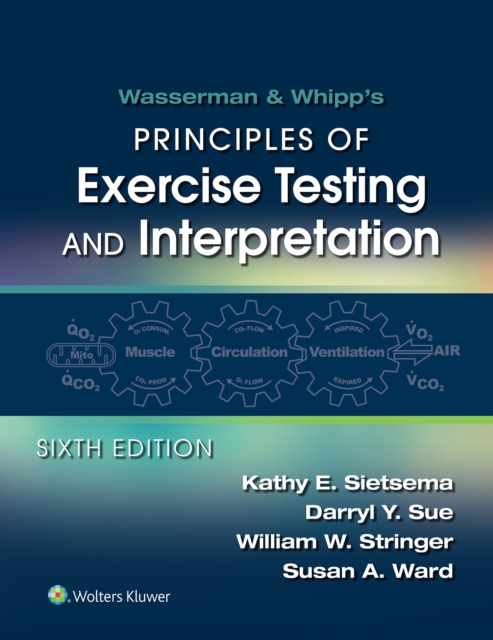
Wasserman & Whipp's principles of exercise testing and interpretation
Thoroughly revised and updated for today's clinicians, Wasserman Whipp's Principles of Exercise Testing and Interpretation, Sixth Edition, provides a comprehensive, practical overview of cardiopulmonary exercise testing (CPET) ideally suited for pulmonologists, cardiologists, anesthesiologists, and others with an interest in clinical exercise testing. Written by authors who are uniquely positioned to convey relevant aspects of research and apply them to clinical contexts, this volume offers in-depth coverage of essential information for conducting CPET, or for utilizing data from this discipline in clinical practice or research.
eBook


Concurrent validity and test–retest reliability of VALD ForceDecks' strength, balance, and movement assessment tests
To evaluate the concurrent validity and test–retest reliability of common movement, strength, and balance tests using portable uniaxial dual force plates.
Repeated measures cross-sectional study.
Sixteen healthy individuals participated in two testing sessions, where they performed 12 different movement, strength, and balance tests. Vertical ground reaction force and centre of pressure data were collected using the VALD ForceDecks simultaneously with ground-embedded laboratory force plates. Concurrent validity was assessed using root mean square error for raw time-series data and Bland–Altman plots for discrete metrics. Test–retest reliability was assessed using intraclass correlation coefficients and minimal detectable changes.
ForceDecks recorded vertical ground reaction forces and center of pressure with high accuracy compared to laboratory force plates. The mean bias between systems was negligible (<2 N or 0.1 mm), with small limits of agreement (<5 N or 1 mm). Overall, 530/674 (79%) showed good or excellent validity (<10% difference) and 611/773 (79%) had good or excellent reliability (intraclass correlation coefficient >0.75). ForceDecks reliability was similar to laboratory force plates (<0.07 intraclass correlation coefficient median difference for all metrics).
Portable uniaxial force plates record highly accurate vertical ground reaction forces and center of pressure during a range of movement, strength, and balance tests. The VALD ForcDecks are a valid and reliable alternative to laboratory force plates when strict standardized testing and data analysis procedures are followed. Users should be aware of the validity and reliability characteristics of the tests and metrics they choose.
Journal Article