
Catalogue Search | MBRL


Are you sure you want to remove the book from the shelf?

{{itemTitle}}
12
result(s) for
"Explorers Italy Biography."
Sort by:


Oh Capitano!
The story of Celso Cesare Moreno, one of the most famous of the emigrant Italian elites or \"prominenti.\" Moreno traveled the world lying, scheming, and building an extensive patron/client network to to establish his reputation as a middleman and person of significance. Through his machinations, Moreno became a critical player in the expansion of western trade and imperialism in Asia, the trafficking of migrant workers and children in the Atlantic, and the conflicts of Americans and natives over the fate of Hawaii, and imperial competitions of French, British, Italian and American governments during a critically important era of imperial expansion.
eBook


Alejandro Malaspina
Malaspina arrived in Spain with a scientific background and an ardent interest in the philosophy of the Enlightenment. A skilled navigator, his 1789 Pacific voyage was the last and most important of his career - a five-year scientific and political examination of the Spanish colonies in the Americas and the Philippines. His appraisal of the British colonies at Sydney Cove and Tonga allowed him to compare life in a place almost untouched by European contact with the situation in the colonies. Malaspina eventually returned to Spain, where he was received by King Charles IV and commissioned to produce a work covering all aspects of his studies that would establish Spain's reputation as a modern enlightened state. Malaspina advised the king that this could be achieved only if all the present ministers were dismissed and replaced with a slate of Malaspina's choosing who would back his visionary ideas. This seemingly naive proposal resulted in a unanimous vote by the council that his plan was false, seditious, and injurious to the sovereignty of Their Majesties and a sentence of ten years imprisonment in the fortress of San Antón. At Napoleon's urging he was released after eight years and exiled to Italy. He died there in 1810, just as the revolts in the Americas were starting, as he had predicted. Using Malaspina's writings, including the journal of his great voyage and his personal letters, John Kendrick makes the life of this extraordinary man available for the first time in English.
eBook

Marco Polo : the boy who traveled the medieval world
A biography of the Italian explorer who became famous for his travels in Asia.
Book
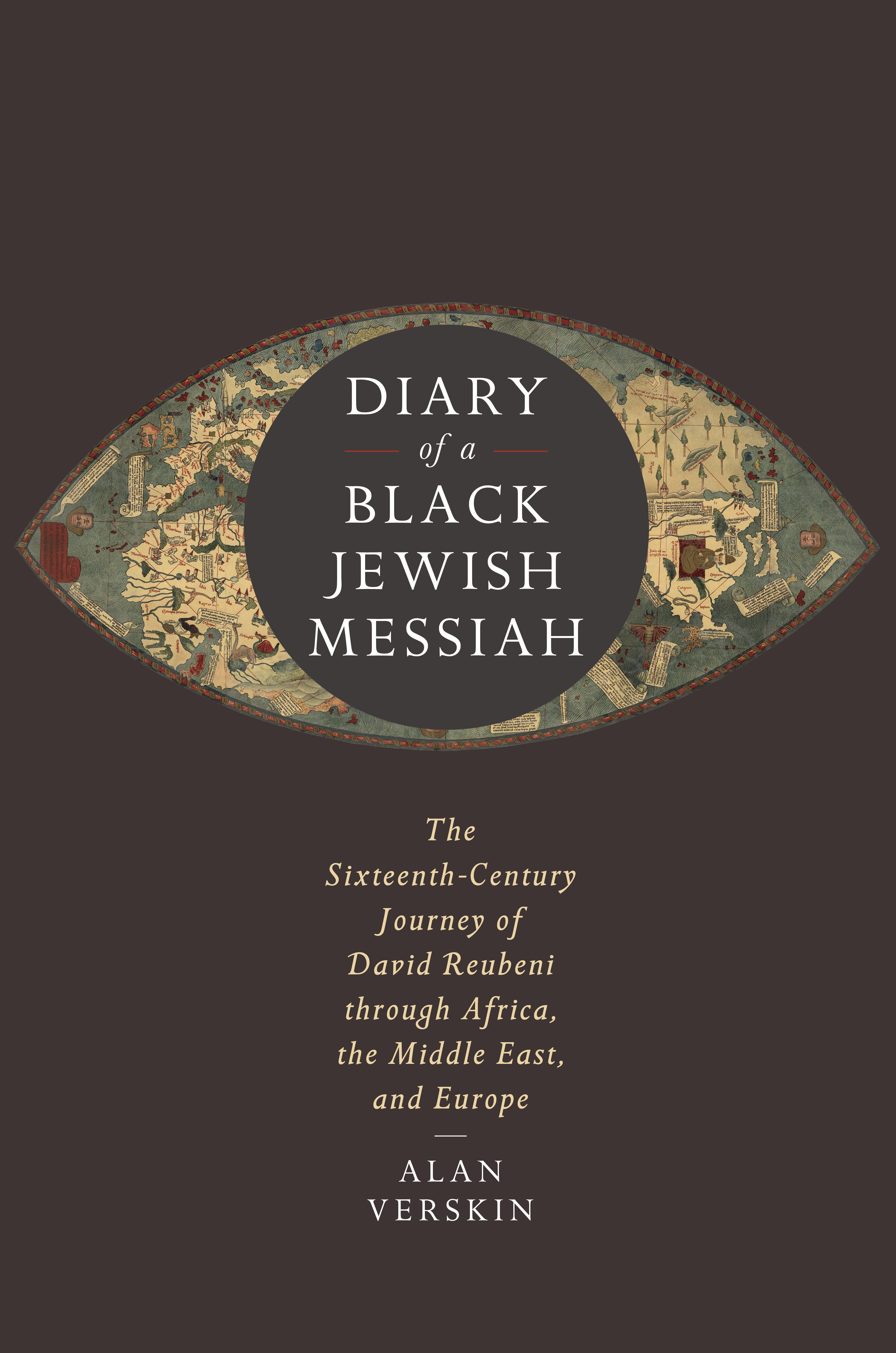
Diary of a Black Jewish Messiah
In 1524, a man named David Reubeni appeared in Venice, claiming to be the ambassador of a powerful Jewish kingdom deep in the heart of Arabia. In this era of fierce rivalry between great powers, voyages of fantastic discovery, and brutal conquest of new lands, people throughout the Mediterranean saw the signs of an impending apocalypse and envisioned a coming war that would end with a decisive Christian or Islamic victory. With his army of hardy desert warriors from lost Israelite tribes, Reubeni pledged to deliver the Jews to the Holy Land by force and restore their pride and autonomy. He would spend a decade shuttling between European rulers in Italy, Portugal, Spain, and France, seeking weaponry in exchange for the support of his hitherto unknown but mighty Jewish kingdom. Many, however, believed him to favor the relatively tolerant Ottomans over the persecutorial Christian regimes. Reubeni was hailed as a messiah by many wealthy Jews and Iberia's oppressed conversos, but his grand ambitions were halted in Regensburg when the Holy Roman Emperor, Charles V, turned him over to the Inquisition and, in 1538, he was likely burned at the stake. Diary of a Black Jewish Messiah is the first English translation of Reubeni's Hebrew-language diary, detailing his travels and personal travails. Written in a Hebrew drawn from everyday speech, entirely unlike other literary works of the period, Reubeni's diary reveals both the dramatic desperation of Renaissance Jewish communities and the struggles of the diplomat, trickster, and dreamer who wanted to save them.
eBook


Oh Capitano!
Plays out across an international arena but centered in the U.S. and Hawaii for the second half of his life.\"Celso Cesare Moreno was a schemer on an international level involved in the Hawaiian revolution, a promoter of colonialism in Southeast Asia to the governments of Italy, France, and the U.S., and involved also as a lobbyist in Washington in the \"little slaves\" /padrone controversies of the 1870s.The story of Celso Cesare Moreno, one of the most famous of the emigrant Italian elites or \"prominenti.\" Moreno traveled the world lying, scheming, and building an extensive patron/client network to to establish his reputation as a middleman and person of significance. Through his machinations, Moreno became a critical player in the expansion of western trade and imperialism in Asia, the trafficking of migrant workers and children in the Atlantic, and the conflicts of Americans and natives over the fate of Hawaii, and imperial competitions of French, British, Italian and American governments during a critically important era of imperial expansion.Offers a detailed illustration of the well-known but poorly understood pattern of the Italian prominenti--their relationships, their polemics, their intense battles over disappearing causes, and their personal idiosyncrasies.
eBook

Marco Polo : the boy who traveled the medieval world
A biography of the Italian explorer who became famous for his travels in Asia.
Book
