
Catalogue Search | MBRL


Are you sure you want to remove the book from the shelf?

{{itemTitle}}
109
result(s) for
"Explosives Fiction."
Sort by:

A borrowing of bones
\"It may be the Fourth of July weekend, but for retired soldier Mercy Carr and Belgian Malinois Elvis, it's just another walk in the remote Lye Brook Wilderness--until the former bomb-sniffing dog alerts to explosives and they find a squalling baby abandoned near a shallow grave filled with what appear to be human bones. U.S. Game Warden Troy Warner and his search-and rescue Newfoundland Susie Bear respond to Mercy's 911 call, and the four must work together to track down a missing mother, solve a cold-case murder, and keep the citizens of Vermont safe on potentially the most incendiary Independence Day since the American Revolution\"-- Provided by publisher.
Book
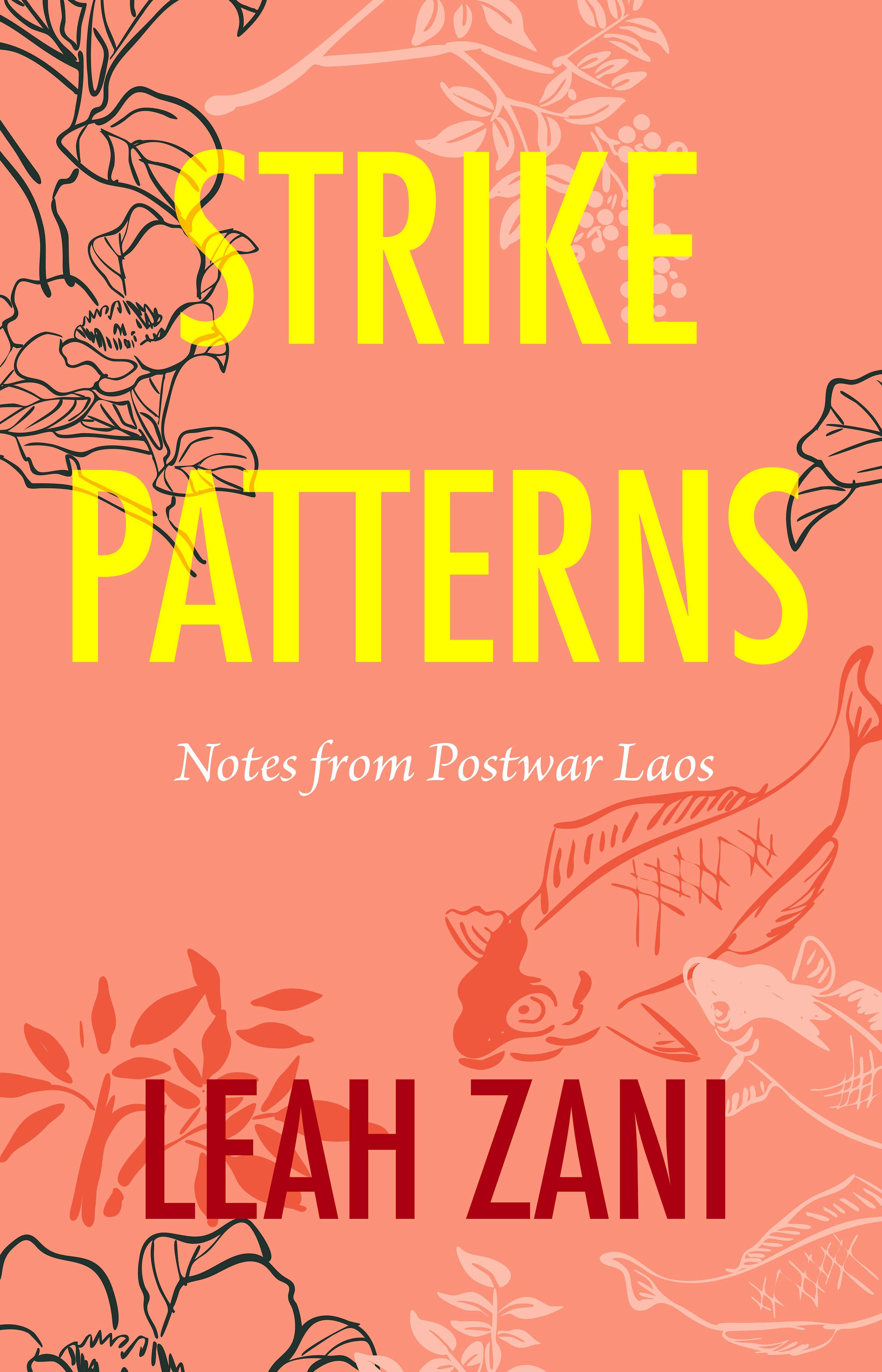
Strike patterns : notes from postwar Laos
A strike pattern is a signature of violence carved into the land—bomb craters or fragments of explosives left behind, forgotten. In Strike Patterns, poet and anthropologist Leah Zani journeys to a Lao river community where people live alongside such relics of a secret war. With sensitive and arresting prose, Zani reveals the layered realities that settle atop one another in Laos—from its French colonial history to today's authoritarian state—all blown open by the war. This excavation of postwar life's balance between the mundane, the terrifying, and the extraordinary propels Zani to confront her own explosive past.
From 1964 to 1973, the United States carried out a covert air war against Laos. Frequently overshadowed by the war with Vietnam, the Secret War was the longest and most intense air war in history. As Zani uncovers this hidden legacy, she finds herself immersed in the lives of her hosts: Chantha, a daughter of war refugees who grapples with her place in a future Laos of imagined prosperity; Channarong, a bomb technician whose Thai origins allow him to stand apart from the battlefields he clears; and Bounmi, a young man who has inherited his bomb expertise from his father but now struggles to imagine a similar future for his unborn son. Wandering through their lives are the restless ghosts of kin and strangers.
Today, much of Laos remains contaminated with dangerous leftover explosives. Despite its obscurity, the Secret War has become a shadow model for modern counterinsurgency. Investigating these shadows of war, Zani spends time with silk weavers and rice farmers, bomb clearance crews and black market war scrap traders, ritual healers and survivors of explosions. Combining her fieldnotes with poetry, fiction, and memoir she reflects on the power of building new lives in the ruins.
eBook

A possibility of violence : a novel
\"An explosive device is found in a suitcase near a daycare center in a quiet suburb of Tel Aviv. A few hours later, a threat is received: the suitcase was only the beginning. Inspector Avraham Avraham, back in Israel after a much-needed vacation, is assigned to the investigation. Tormented by the trauma and failure of his past case, Avraham is determined not to make the same mistakes--especially with innocent lives at stake\"--Amazon.com.
Book

The Violent Fecundity of Mohja Kahf's Translingual Texts
Scholars writing on US multiethnic literature have described the inclusion of \"foreign\" languages in fiction as a method for reclaiming power by making the subject impassable, unknowable, or opaque to the monolingual reader. However, these analyses have focused on the incommensurate positions of linguistic insiders and outsiders. This essay contends that Arab American author Mohja Kahf delivers an alternate ideology in her translingual texts. Writing in a national context that conflates \"Arab,\" \"Muslim,\" and \"terrorist\" and that uses Arabic as a cultural symbol to denote all three, Kahf employs an aesthetic paradigm to teach her monolingual English-speaking readers Arabic. In doing so, she draws communities together through a translingual poetics that forges a space in the US national context that accepts and celebrates, rather than fears, Arabic.
Journal Article


Frankenstein in Baghdad, or the Postmodern Prometheus
Ahmed Saadawi’s award-winning 2014 novel Frankenstein in Baghdad features a being, the “Whatsitsname,” that is constructed of bits and pieces of individuals killed by car bombs in US-occupied 2005 Iraq. As such, the novel clearly employs the Frankenstein story as a means of commenting on the dire situation in post-invasion Iraq. Frankenstein in Baghdad thus clearly demonstrates the ongoing vitality of the Frankenstein motif in global culture, while conducting specific satirical critiques of certain phenomena in Iraq. However, despite its political seriousness, Frankenstein in Baghdad is an often playful postmodern work that shows the extent to which Iraq had been “invaded” by Western popular culture long before the US-led 2003 military invasion. The novel makes important comments on the process of capitalist modernization and on the way in which this process ultimately leads to globalization and to the development of a global postmodernist culture.
Journal Article


