
Catalogue Search | MBRL


Are you sure you want to remove the book from the shelf?

{{itemTitle}}
156
result(s) for
"FIBRE VEGETALE"
Sort by:

Characterization of the morphological, physical, and mechanical properties of seven nonwood plant fiber bundles
The morphological, physical, and mechanical properties of the nonwood plant fiber bundles of ramie, pineapple, sansevieria, kenaf, abaca, sisal, and coconut fiber bundles were investigated. All fibers except those of coconut fiber had noncircular cross-sectional shapes. The crosssectional area of the fiber bundles was evaluated by an improved method using scanning electron microscope images. The coefficient factor defined as the ratio of the cross-sectional area determined by diameter measurement, to the cross-sectional area determined by image analysis was between 0.92 and 0.96 for all fibers. This indicated that the area determined by diameter measurement was available. The densities of the fiber bundles decreased with increasing diameters. The diameters of each fiber species had small variation of around 3.4%-9.8% within a specimen. The tensile strength and Young’s modulus of ramie, pineapple, and sansevieria fiber bundles showed excellent values in comparison with the other fibers. The tensile strength and Young’s modulus showed a decreasing trend with increasing diameter of fiber bundles.
Journal Article

A membrane-associated form of sucrose synthase and its potential role in synthesis of cellulose and callose in plants
Sucrose synthase (SuSy; EC 2.4.1.13; sucrose + UDP reversibly UDPglucose + fructose) has always been studied as a cytoplasmic enzyme in plant cells where it serves to degrade sucrose and provide carbon for respiration and synthesis of cell wall polysaccharides and starch. We report here that at least half of the total SuSy of developing cotton fibers (Gossypium hirsutum) is tightly associated with the plasma membrane. Therefore, this form of SuSy might serve to channel carbon directly from sucrose to cellulose and/or callose synthases in the plasma membrane. By using detached and permeabilized cotton fibers, we show that carbon from sucrose can be converted at high rates to both cellulose and callose. Synthesis of cellulose or callose is favored by addition of EGTA or calcium and cellobiose, respectively. These findings contrast with the traditional observation that when UDPglucose is used as substrate in vitro, callose is the major product synthesized. Immunolocalization studies show that SuSy can be localized at the fiber surface in patterns consistent with the deposition of cellulose or callose. Thus, these results support a model in which SuSy exists in a complex with the beta-glucan synthases and serves to channel carbon from sucrose to glucan.
Journal Article

The differential expression of sucrose synthase in relation to diverse patterns of carbon partitioning in developing cotton seed
Developing cotton (Gossypium hirsutum L.) seed exhibits complex patterns of carbon allocation in which incoming sucrose (Suc) is partitioned to three major sinks: the fibers, seed coat, and cotyledons, which synthesize cellulose, starch, and storage proteins or oils, respectively. In this study we investigated the role of Suc synthase (SuSy) in the mobilization of Suc into such sinks. Assessments of SuSy gene expression at various levels led to the surprising conclusion that, in contrast to that found for other plants, SuSy does not appear to play a role in starch synthesis in the cotton seed. However, our demonstration of functional symplastic connections between the phloem-unloading area and the fiber cells, as well as the SuSy expression pattern in fibers, indicates a major role of SuSy in partitioning carbon to fiber cellulose synthesis. SuSy expression is also high in transfer cells of the seed coat facing the cotyledons. Such high levels of SuSy could contribute to the synthesis of the thickened cell walls and to the energy generation for Suc efflux to the seed apoplast. The expression of SuSy in cotyledons also suggests a role in protein and lipid synthesis. In summary, the developing cotton seed provides an excellent example of the diverse roles played by SuSy in carbon metabolism
Journal Article

Disruption of interfascicular fiber differentiation in an Arabidopsis mutant
Arabidopsis develops interfascicular fibers in stems for needed support of shoots. To study the molecular mechanisms controlling fiber differentiation, we isolated an interfascicular fiber mutant (ifl1) by screening ethyl methanesulfonate-mutagenized Arabidopsis populations. This mutant lacks normal interfascicular fibers in stems. Interestingly, some interfascicular cells were sclerified in the upper parts but not in the basal parts of the ifl1 stems. These sclerified cells were differentiated at a position different from that of interfascicular fibers in the wild type. Lack of interfascicular fibers correlated with a dramatic change of stem strength. Stems of the mutant could not stand erect and were easily broken by bending. Quantitative measurement showed that it took approximately six times less force to break basal stems of the mutant than of the wild type. In addition, noticeable morphological changes were associated with the mutant, including long stems, dark green leaves with delayed senescence, and reduced numbers of cauline leaves and branches. Genetic analysis showed that the ifl1 mutation was monogenic and recessive. The ifl1 locus was mapped to a region between the 17C2 and 7H9L markers on chromosome 5. Isolation of the ifl1 mutant provides a novel means to study the genetic control of fiber differentiation
Journal Article

Metabolic pathway engineering in cotton: biosynthesis of polyhydroxybutyrate in fiber cells
Alcaligenes eutrophus genes encoding the enzymes, beta-ketothiolase (phaA), acetoacetyl-CoA reductase (phaB), and polyhydroxyalkanoate synthase (phaC) catalyze the production of aliphatic polyester poly-D-(-)-3-hydroxybutyrate (PHB) from acetyl-CoA. PHB is a thermoplastic polymer that may modify fiber properties when synthesized in cotton. Endogenous beta-ketothiolase activity is present in cotton fibers. Hence cotton was transformed with engineered phaB and phaC genes by particle bombardment, and transgenic plants were selected based on marker gene, beta-glucuronidase (GUS), expression. Fibers of 10 transgenic plants expressed phaB gene, while eight plants expressed both phaB and phaC genes. Electron microscopy examination of fibers expressing both genes indicated the presence of electron-lucent granules in the cytoplasm. High pressure liquid chromatography, gas chromatography, and mass spectrometry evidence suggested that the new polymer produced in transgenic fibers is PHB. Sixty-six percent of the PHB in fibers is in the molecular mass range of 0.6 X 10(6) to 1.8 X 10(6) Da. The presence of PHB granules in transgenic fibers resulted in measurable changes of thermal properties. The fibers exhibited better insulating characteristics. The rate of heat uptake and cooling was slower in transgenic fibers, resulting in higher heat capacity. These data show that metabolic pathway engineering in cotton may enhance fiber properties by incorporating new traits from other genetic sources. This is an important step toward producing new generation fibers for the textile industry
Journal Article
Cell-wall polysaccharides of developing flax plants
Flax (Linum usitatissimum L.) fibers originate from procambial cells of the protophloem and develop in cortical bundles that encircle the vascular cylinder. We determined the polysaccharide composition of the cell walls from various organs of the developing flax plant, from fiber-rich strips peeled from the stem, and from the xylem. Ammonium oxalate-soluble polysaccharides from all tissues contained 5-linked arabinans with low degrees of branching, rhamnogalacturonans, and polygalacturonic acid. The fiber-rich peels contained, in addition, substantial amounts of a buffer-soluble, 4-linked galactan branched at the 0-2 and 0-3 positions with nonreducing terminal-galactosyl units. The cross-linking glycans from all tissues were (fucogalacto)xyloglucan, typical of type-I cell walls, xylans containing (1 leads to 4)-beta-D-xylosyl units branched exclusively at the xylosyl O-2 with t-(4-O-methyl)-glucosyluronic acid units, and (galacto)glucomannans. Tissues containing predominantly primary cell wall contained a larger proportion of xyloglucan. The xylem cells were composed of about 60% 4-xylans, 32% cellulose, and small amounts of pectin and the other cross-linking polysaccharides. The noncellulosic polysaccharides of flax exhibit an uncommonly low degree of branching compared to similar polysaccharides from other flowering plants. Although the relative abundance of the various noncellulosic polysaccharides varies widely among the different cell types, the linkage structure and degree of branching of several of the noncellulosic polysaccharides are invariant
Journal Article
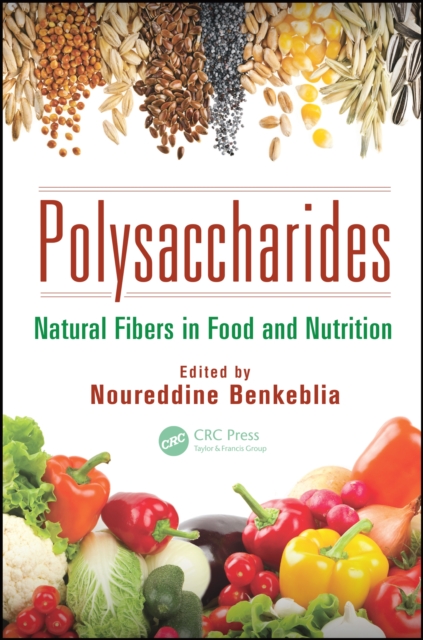
Polysaccharides
This book reviews the evidence supporting the influence of plant fibers on our daily life by either having impacts on our nutrition or improving processed foods for human and animal feeding. By bringing new information and updating existing scientific data, this book will also be a consistent source of information for both professional and non-professionals that are involved in food science and technology, nutrition, and even medical sciences related to human health and well-being.
eBook

Essential Hempcrete Construction
The essential guide to hempcrete - a strong, versatile, environmentally friendly, energy-efficient natural insulating material
Hempcrete is a versatile, energy-efficient natural insulation material, useful for walls, roofs and floors. Made from the inner stem of the hemp plant mixed with a lime-based binder, it is a very strong, lightweight and breathable alternative to manufactured insulations. Essential Hempcrete Construction is a fully illustrated practical guide to this affordable, renewable method, from procurement to finishing.
Going well beyond the scope of many natural building books, this indispensable manual includes a complete introduction to hempcrete, packed with all the information you need to determine whether it's the right choice for your project. It covers:
* Material specifications, testing and building code references and climate data
* Detail drawings for design reference
* Tool lists, and complete step-by-step instructions for mixing and placing hempcrete
* Finishing and maintenance techniques
* Budgeting and labor estimates
* Additional resources.
Essential Hempcrete Construction is part of New Society's Sustainable Building Essentials Series. Series editors Chris Magwood and Jen Feigin have scoured the world of sustainable building to bring you the techniques and systems that deliver measureable benefits in terms of greater energy efficiency and reduced environmental impact. Written by the world's leading sustainable builders, designers and engineers, these succinct, user-friendly handbooks are indispensable tools for any project where accurate and reliable information are key to success. Get the Essentials!
eBook
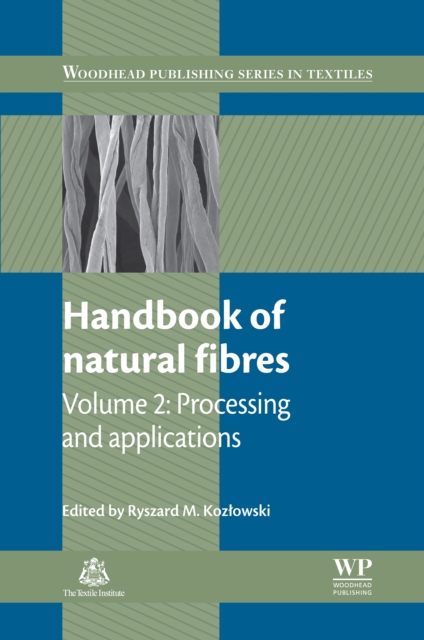
Handbook of Natural Fibres
Growing awareness of environmental issues has led to increasing demand for goods produced from natural products, including natural fibres. The two-volume Handbook of natural fibres is an indispensable tool in understanding the diverse properties and applications of these important materials. Volume 2: Processing and applications focuses on key processing techniques for the improvement and broader application of natural fibres.Part one reviews processing techniques for natural fibres. Silk production and the future of natural silk manufacture are discussed, as well as techniques to improve the
eBook
Manufacture of oriented board using mild steam treatment of plant fiber bundles
This study investigated the effects of mild steam treatment (0.1 MPa for 2 h) of natural bio-based fibers and orientation (0° and 90°) of those fibers in various fiberboards. Ramie bast, pineapple leaf, and sansevieria fiber bundles were used as materials. The composite fiberboards were prepared using phenol-formaldehyde (PF) resin. To investigate the effect of mild steam treatment on wettability, contact angles of PF resin to the fiber were measured. The mechanical properties of the boards were examined as well as their dimensional stability. The contact angle data showed that mild steam treatment was effective in improving the wettability of fibers. Unioriented steam-treated boards showed better performance of internal bond (IB), moduli of rupture (MOR) and elasticity (MOE), thickness swelling (TS), and water absorption (WA) than other boards. Unioriented steam-treated sansevieria board with longitudinal fiber direction showed higher average values of MOR (403 MPa), MOE (39.2 GPa), and IB (1.33 MPa) and lower values of TS (5.15%) and WA (8.68%) than other boards. The differences in the mechanical properties and dimensional stability of boards were found mainly due to the differences in the ratios of fiber fraction of the boards to the density of the fiber bundles.
Journal Article