
Catalogue Search | MBRL


Are you sure you want to remove the book from the shelf?

{{itemTitle}}
583
result(s) for
"Facades Design and construction."
Sort by:


The Future Envelope 1
Façades convey the image of new architecture. Today the planning of this very complex building component requires a collaboration of many specialists. A multitude of possibilities are being projected into the building envelope. Design, visionary construction, new materials, the desire to achieve optimum energy performance or even energy generation all meet with predominantly conventional crafts.What is the future of the façade and how can we get there? What are current trends and future developments? Experts from the fields of architecture, structural and climate design, material science, construction and product development, industry, planning and building innovations will reflect on current projects and their vision for the future.The aim of this publication is to make the reader feel challenged to join the creativity or to evaluate own ideas about the future in order to keep the discussion alive. Every contribution is of relevance as long as it sincerely supports future development. Universities have, of course, a special mission to take the lead in developing long term visions and future scenarios in order to create a fecund soil for breakthroughs for the benefit of the entire building industry. This book is an inspiring example of just that.
eBook


The Future Envelope 3
For The Making Of - the book title's association to film making - the director must have broad knowledge of the technical aspects of producing a film. If a designer / architect aims to reach beyond the basic standard and wants to have full control over the outcome of his work, he or she also needs to cover all the different aspects of The Making Of.This book shows cutting-edge examples of how façades are currently made. But it also reveals where possible innovative developments will emerge from and what the typical problems are in implementing them in the unique building market.
eBook

The Future Envelope 2
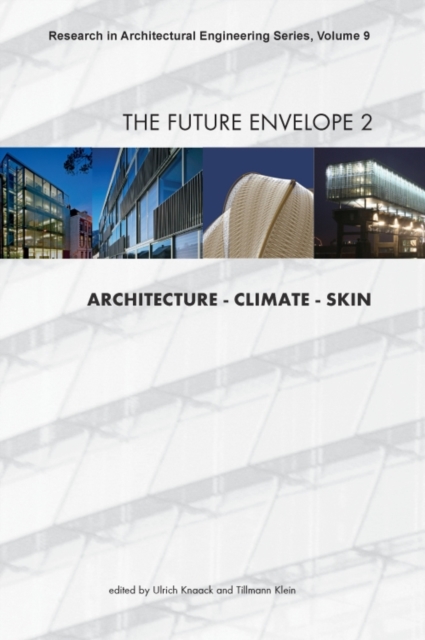
The role of the building envelope - related to the energy performance of a building and the comfort of the user - is significant and, because of the sustainability aspect, is coming into focus more and more. Since the introduction of the double leafed façade, it is obvious that the climate performance of a building can be an important tool for architectural expression. Climate-oriented architecture is related to all aspects of building. It will affect the design as well as the building process and the construction itself. For this publication The Future Envelope 2, specialists from the fields of architecture, engineering and research were asked to share their practical experience and their visions for the future of the climate-oriented building envelope.
eBook
Staining of facades
Facade staining is a centuries-old building defect that is globally widespread. Millions of dollars are wasted annually for its rectification. A stained building looks old and worn-out, diminishing the value of the property and the confidence in occupying it. The facade's durability may also be affected by staining. Despite these wide and varying downstream implications, facade staining can actually be foreseen and prevented if conscientious efforts are made at the building's planning and design stages.This book provides insight into the underlying causes of facade staining and proposes an approach to address the root of the problem. It aims to raise awareness of crucial factors that should be understood and considered in the prevention or minimization of facade staining, hence reducing resource wastage in unnecessary maintenance work.Staining of Facades will serve as a useful guide for students as well as practitioners in related professions such as architecture, engineering, building, real estate, and project and property management, in their efforts to minimize the life-cycle costs of buildings.
eBook
Façades
Introduction to building façades as revised edition Façades determine the appearance of a building.Hence, they constitute a major element in architecture.At the same time, the building's envelope has important functions to fulfil, such as lighting, weatherproofing, thermal insulation, load transfer and sound insulation.
eBook
Modern Construction Envelopes
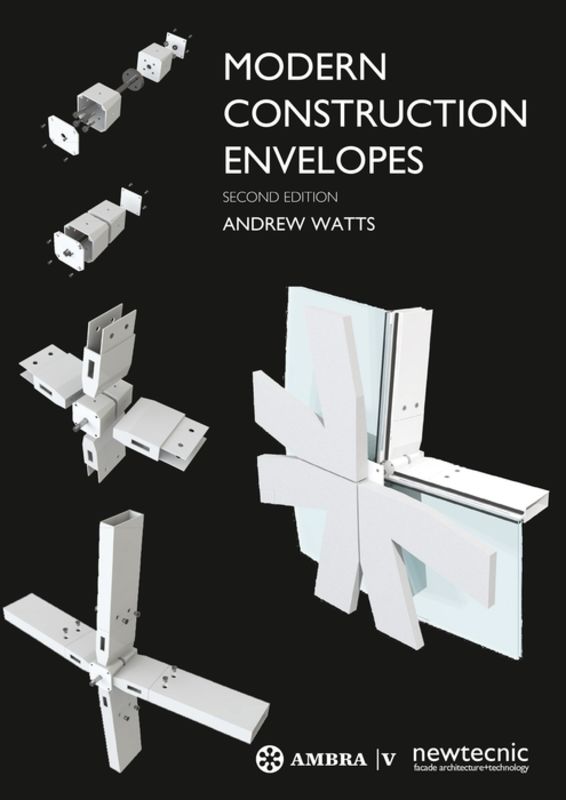
The second edition of Modern Construction Envelopes was originally based on the two books by Andrew Watts, Modern Construction Roofs and Modern Construction Facades.Both volumes were gathered into one single volume and consolidated in terms of content, which permits the consideration of facades and roofs as envelopes.
eBook
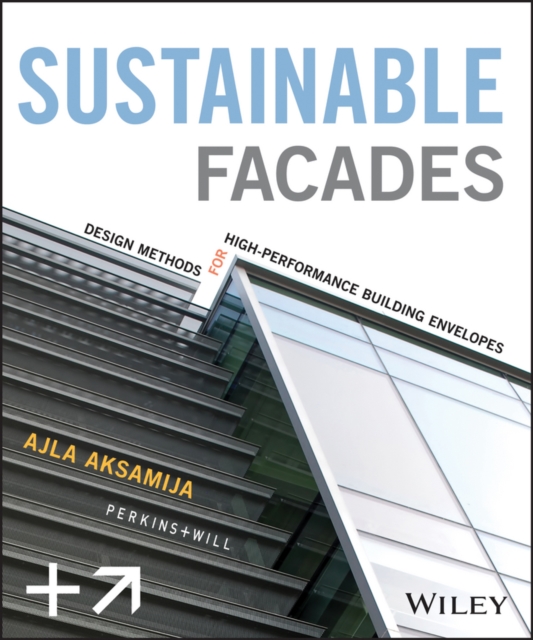
Sustainable facades
Practical information on designing sustainable, energy-efficient building facades
As energy and other natural resources are being depleted, it has become clear that technologies and strategies that allow us to maintain our satisfaction with interior environments while consuming less of these resources are major objectives of contemporary facade design. Sustainable Facades focuses on the strategies and approaches for designing sustainable, high-performance building facades, and provides technical guidance for architects and designers.
This timely and useful guide presents strategies and technical guidelines for designing environmentally sensitive, energy-efficient facades based on scientific principles. It provides climate-specific approaches for minimizing energy consumption, analyzes the thermal behavior of different facade systems and materials, and illustrates with case studies how these approaches have been implemented on architectural projects. It also discusses emerging facade technologies, materials, and systems.
Topics covered in this unique and indispensable guide include:
* Climate-based design approaches for high-performance facades
* Characteristics of sustainable facades: energy efficiency, thermal behavior, and moisture resistance
* Designing for thermal comfort, lighting and glare control, and acoustic quality
* Emerging technologies in facade design, including smart materials, double-skin facades, and facades as energy generators
* Case studies on building orientation and facade design, tectonic sun exposure control, external shading elements, and more
eBook