
Catalogue Search | MBRL


Are you sure you want to remove the book from the shelf?

{{itemTitle}}
6,748
result(s) for
"Fatherhood"
Sort by:


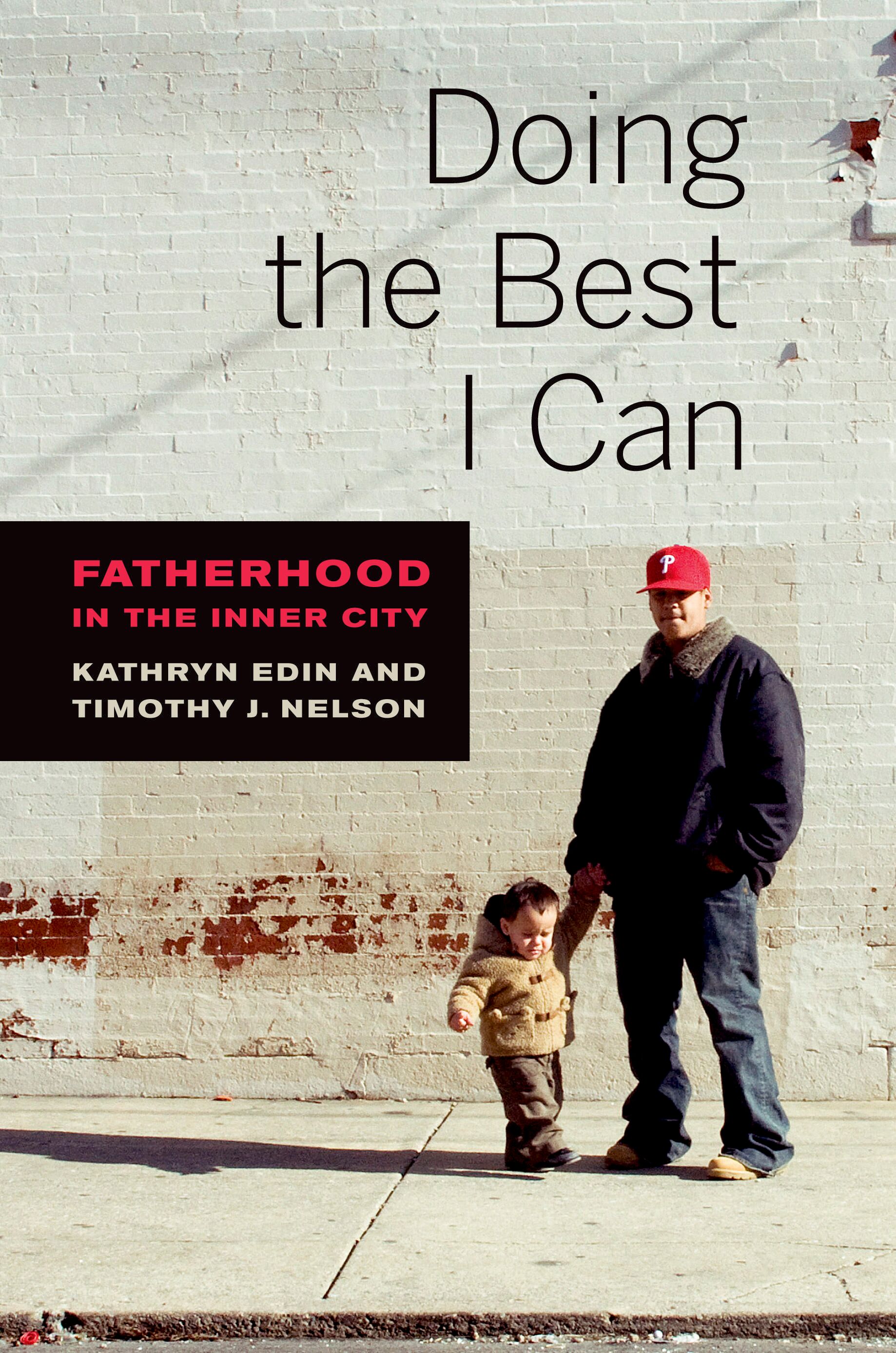
Doing the best I can
Across the political spectrum, unwed fatherhood is denounced as one of the leading social problems of today. Doing the Best I Can is a strikingly rich, paradigm-shifting look at fatherhood among inner-city men often dismissed as \"deadbeat dads.\" Kathryn Edin and Timothy J. Nelson examine how couples in challenging straits come together and get pregnant so quickly—without planning. The authors chronicle the high hopes for forging lasting family bonds that pregnancy inspires, and pinpoint the fatal flaws that often lead to the relationship’s demise. They offer keen insight into a radical redefinition of family life where the father-child bond is central and parental ties are peripheral. Drawing on years of fieldwork, Doing the Best I Can shows how mammoth economic and cultural changes have transformed the meaning of fatherhood among the urban poor. Intimate interviews with more than 100 fathers make real the significant obstacles faced by low-income men at every step in the familial process: from the difficulties of romantic relationships, to decision-making dilemmas at conception, to the often celebratory moment of birth, and finally to the hardships that accompany the early years of the child's life, and beyond.
eBook

Making sense of fatherhood : gender, caring and work
\"As family and work demands become more complex, who is left holding the baby? Tina Miller explores men's experiences of fatherhood and provides unique insights into paternal caring, changing masculinities and men's relations to paid work. She focuses on the narratives of a group of men as they first anticipate and then experience fatherhood for the first time. Her original, longitudinal research contributes to contemporary theories of gender against a backdrop of societal and policy change. The men's journeys into fatherhood are both similar and varied, and they illuminate just how deeply gender permeates individual lives, everyday practices and societal assumptions around caring for young children. This book acts as a companion to Making Sense of Motherhood (Cambridge University Press, 2005) and, together, these innovative studies reveal how gendered practices around caring become enacted\"-- Provided by publisher.
Book

Expectant and new fathers say they need resources and sources of support
Objectives
It is critical to exhaust the range of opportunities to reduce racial inequities in maternal mortality. Developing interventions to optimize how fathers can support mothers during pregnancy and childbirth remains under developed, particularly in the context of racial inequities. In this study, we collected formative data from expectant and new fathers to identify the types of supports and resources they need to promote positive maternal health outcomes.
Design
We used a phenomenological thematic approach to analyze data from 80 new fathers in 10 focus groups from five of the six Alliance for Innovation Maternal Community Care Initiative sites across the United States, collected between November 2021 and April 2022. The majority (86.25%) of fathers were Black American and their average age was 33.9 years (range 24–61 years old).
Results
Four key themes characterize the types of information and resources expectant and new fathers sought and wanted: (a) baby’s development and mother’s mental and physical needs; (b) financial needs and family planning; (c) navigating the healthcare and social systems; and (d) mental health resources for both parents. Fathers sought the counsel, advice, and support of a variety of people, but who they asked for support depended on the issue. Expectant and new fathers sought information pertaining to being a breadwinner, fulfilling the father role, being a supportive partner, and general information on caring for a newborn. Most fathers felt that the healthcare system and social service systems lacked information and resources tailored to their needs, and they were generally ill-equipped to consider fathers or support them.
Conclusion
Fathers sought information and resources to facilitate their roles as fathers and to enhance their ability to support expectant and new mothers. It is important to hear from fathers and to utilize their feedback to inform social service system changes and other organizational or institutional resources, programs, and policies to optimize their efforts to promote maternal health and to reduce maternal mortality. Expectant and new fathers needed better access to reliable, accurate, and readily-available information to prepare and support them in their new roles, responsibilities, and lives.
Journal Article


Masculinité et paternité en contexte migratoire : étude des effets de la masculinité sur la construction de l’identité paternelle de nouveaux immigrants au Québec de différentes origines culturelles
Research Framework: Immigration in contexts such as Canada and Quebec is likely to generate changes in masculine functions. Thus, immigrant fathers, depending on their origins and profiles, negotiate and present different facets of masculinity to adapt to the various realities of the host country. Objectives: This article examines the impact of immigration on the masculinity and paternal identity of immigrant fathers of different origins in Quebec. Methodology: We conducted a total of 39 interviews with immigrant fathers of sub-Saharan, North African, European, Asian and Latin American origin. An interview guide with open-ended questions enabled them to express themselves on their perception of fatherhood, their identity, their paternal engagement and their adaptation in a migratory context. Results: Our findings indicate that fatherhood is an opportunity for these men to validate their masculinity. Furthermore, the role of provider represents an expression, valorization, and reinforcement of their masculinity. We also found that immigrant fathers’ perceptions of masculinity evolved and were redefined through paternal involvement, in order to overcome the difficulties of integration in the host country. Conclusion: This article shows that, beyond the difficulties, immigration represents an opportunity for commitment and redefinition of fatherhood and masculinity for many immigrant men. Contribution: The various observations arising from this study show the need to take masculinity into account in the care and development of programs for immigrant fathers. Finally, the article offers research possibilities to help understand better different types of fatherhood.
Journal Article